







What a Tequila Distillery Tour Actually Teaches You About Agave
 Story by:
Travel Blog
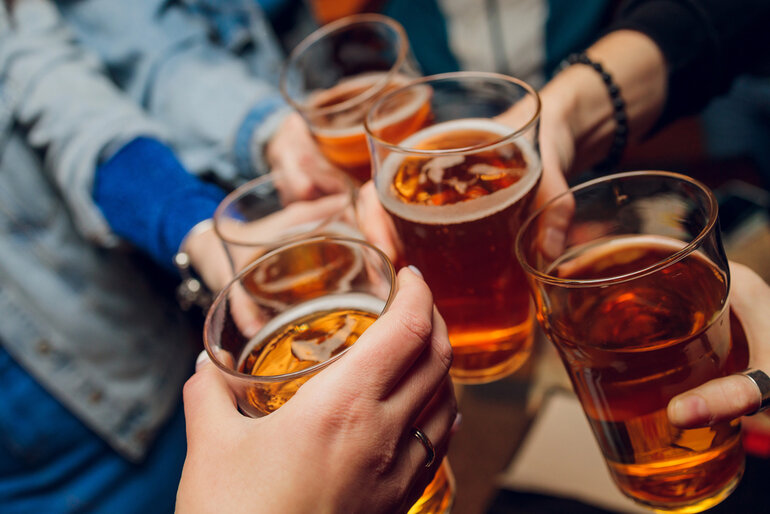
Many of us don’t think much about how tequila is made. We drink a margarita or our favorite tequila without asking where it’s coming from. That same curiosity can enhance the enjoyment of a craft beer, particularly if it also involves discovering what makes that style, the recipe, the process, the ingredients, and the regional influences.
But there’s more to your drink than you might expect. A tequila distillery tour in Mexico shows you how this spiky plant becomes one of the country’s best-known drinks, with a few interesting surprises (and tastings) along the way.
The Tequila In Your Glass Took Years to Grow
The agave plant used to make tequila can take six to eight years to mature, sometimes even longer. That’s a lot of waiting for one harvest! Tequila is also only made from blue Weber agave grown in specific regions of Mexico, with Jalisco being at the top of the list. It doesn’t stop there, though. Many producers say the climate, soil, and altitude can affect how these plants develop, and that this shows up in the final flavor.
Depending on the tour you pick, you might head right into the agave fields and see these plants up close, which can be quite an eye-opening experience.
There’s a Real Skill to Harvesting Agave
It takes years for agave to grow, but when it’s finally ready to harvest, the hard work is far from over. That’s where a jimador comes in. Using a sharp, round-bladed tool called a coa, they slice away the plant’s leaves to reveal its heavy, pineapple-shaped heart, known as the piña.
Depending on where you book a tour, you may get a harvesting demonstration like this, so you can see just how much strength and precision the job takes. If you’re traveling on a cruise to Mexico, a tequila experience can also be a fun shore excursion. Depending on the port, you might find a guided tasting or even a visit to a working distillery. Either way, it’s an opportunity to appreciate the work behind your favorite bottle.
Why Agave Needs to Be Cooked
You might notice a rather unexpected smell when you enter the cooking area of a tequila distillery: a sweet, caramel-like aroma. This is cooked agave. And you may even be able to try a piece depending on the distillery you visit.
To reach this point, the piñas are cooked in traditional brick ovens or large pressure cookers called autoclaves, though some bigger producers may use other methods. Cooking the agave brings out its sweetness, as the heat changes the plant’s carbohydrates into sugars that can later be fermented. The softened piñas are then crushed to get the sugary juice out, and some distilleries even still use large stone wheels for this.
How Agave Gets Its Flavor
Tequila is flavored in many different ways, but do you know why some tequila brands are so different from others? Much of a tequila’s flavor comes from the fermentation process. The sugar that’s been cooked out of the agave is fermented with yeast to create alcohol, and then distilled. The ageing process then starts from there.
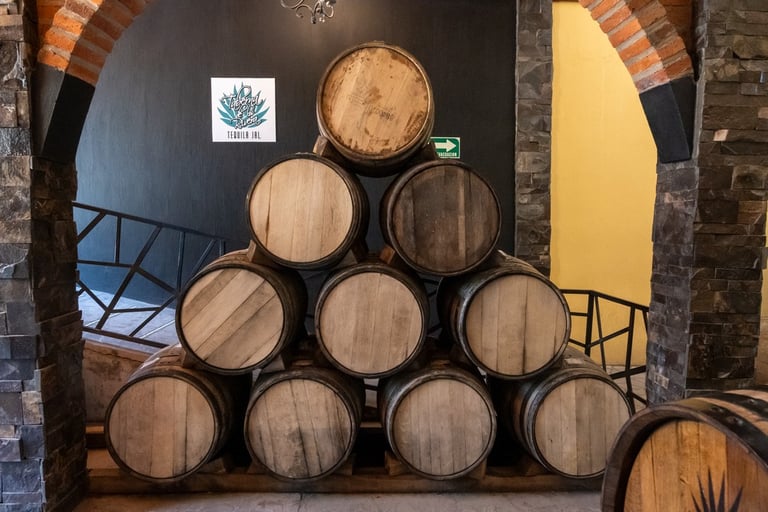
Blanco tequila is typically bottled just after distillation, and reposado and añejo are those that spend time in oak. There are distinct traditions of aging beer, with barrel-aged stouts and ales developing unique and special flavors from the barrel. These processes can affect both the color and the aroma, as well as the taste of each drink, providing a unique flavor to each drink.
Tasting Teaches You What to Look For, Not Just What to Drink
Tasting is usually the most popular part of a distillery tour, but there’s more to tasting tequila than just tasting. Your guide might want you to take a sniff at the tequila before you taste it to see if it has an earthy, peppery, herbal, or citrus flavor. You can also taste them together and determine their differences in flavor, and you’ll have an idea of how aging will affect the flavor.
You might even learn how tequila compares to mezcal, another Mexican agave spirit, which can be made from different agave varieties.
You’ll Look at Your Next Margarita Differently
There’s so much to look forward to when visiting Mexico, whether it’s wandering through the towns of the Mexican Riviera or indulging in local cuisine and beverages. If you have the opportunity to visit a tequila distillery, definitely do it! It’s important to witness the production process firsthand and to see how it is prepared to learn about the spirit. A visit to a local brewery can provide a similar experience: as you observe the brewing process, you will learn about the attention and skill that go into creating every pint of beer.


Comments 0
No Readers' Pick yet.