





History of the Caesar Cocktail and Its Significance to Canadian Brewing Culture
 Story by:
Beer Blog
Story by:
Beer Blog
It has been around for nearly 60 years, and the nation’s cocktail is sure to keep boasting the heights it has already reached, and perhaps even more in the future: The “Savory Glass of Vodka, Clamato, Worcestershire, and Hot Sauce.” This also shows a general change toward increasingly unchained and well-rounded beer tastes, marking the time of beer connoisseurs looking for something new, from spicy ales to the more adventurous types, and the enjoyment of the pairing of beer and food. Much like enthusiasts exploring bold flavors and experiences, consumers are also increasingly drawn to fresh forms of entertainment, even if that means browsing this list of new casinos or discovering unique additions to their favorite beverage lineup.
The Caesar cocktail is a favorite cocktail still served at the opera house, brunch menus, and stadiums all over Victoria, St. John’s, and beyond, so much so that it is not even considered a seasonal specialty. Some of that longevity is to be expected from the bar rail where the Caesar resides. Created in a hotel lobby, it’s come with Canadian hospitality wherever it has gone: from brewpubs and sports bars to resort and gaming rooms. One good example of a wide footprint is Ontario. The province’s iGaming industry has expanded since it launched its regulated iGaming market in 2022, covering everything from heritage taprooms to the operators that are being monitored in the province. This list of new casinos, and across all of it, Caesar is still the service most likely to signal that you are, unmistakably, in Canada.
A Cocktail Born in a Calgary Hotel Bar
The origin story is unusually well documented for a cocktail. In 1969, Walter Chell, a restaurant manager of Montenegrin birth who grew up in Italy, developed a new signature cocktail for the debut of Marco’s, the Italian restaurant inside Calgary Inn, now known as The Westin Calgary. According to The Canadian Encyclopedia, Chell spent about three months working on the recipe, inspired by the traditional Italian clam pasta, spaghetti alle vongole.
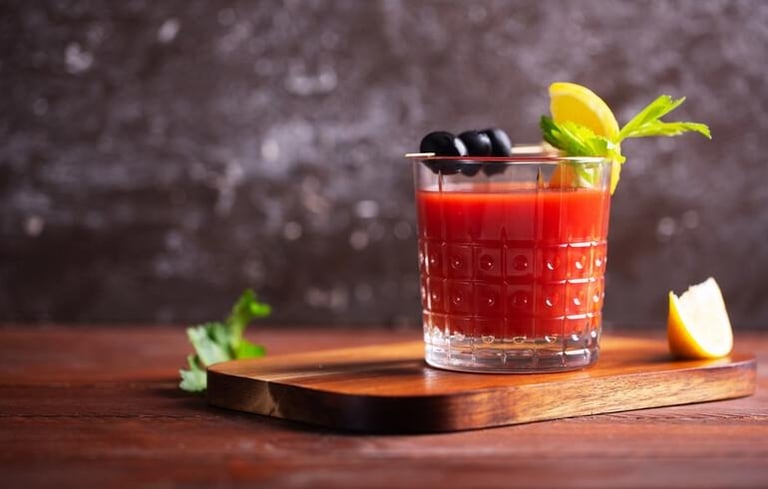
He hand-crushed the clams for their salty liquid, mixed it with tomato juice, vodka, and spices, and named it after the Roman emperor, as he was of Italian descent. The lengthy name came as a surprise. He was a British regular stationed at the bar, who tried the beverage and declared it a very good “bloody” Caesar, and the adjective stuck. Ironically, the year they released the product, Duffy-Mott Company introduced its canned clam-tomato mix, Clamato, which would catapult Chell’s creation beyond Calgary.
How the Caesar Cocktail Conquered Canada
Within five years, the Caesar was Calgary’s most popular mixed drink, a fixture of oil-patch business lunches before it marched east across the country. It was named by CBC viewers as the No. 13 best Canadian invention in 2006, and placed at the top of a 2009 Ipsos-Reid poll of Canada’s favourite cocktail. Calgary officially proclaimed a Caesar Day for the occasion of the drink’s 40th anniversary, and today, the National Caesar Day falls right before the Victoria Day long weekend, so it’s also a perfect start to patio season.
Nowadays, Caesar culture is a friendly arms race. Pickled beans, oysters, sliders, and whole lobster tails adorn the bar; from celery salt to coffee grounds, the drink’s rim, and the Caesar is now available in ready-to-drink cans, in cottages, at campsites, and at tailgates. But this is how it’s remained: savoury, spicy, and decidedly regional at its heart. That appreciation for a classic recipe applies to beer fans, too; though brewers may play with new hops, seasonal beers, or exciting new serving ideas, classic beer styles remain the ones that consistently find fans.
Where the Caesar Meets Canadian Brewing Culture
Caesar has always been one step removed from the beer world to a vodka drink. The Red Eye (or Clam Eye) is a prairie classic that predates the craft beer revolution, and continues today as a stealth beer joint in Western Canadian pubs. Basically, swap vodka for cold lager and you have the Red Eye or the Clam Eye, which is a prairie classic long before the craft beer revolution. It’s Canada’s cousin to the Mexican michelada, and that’s why, for a long, long time, Clamato has been filling up beer fridge space. PorchDrinking’s numerous kindred experiments will delight any individual who likes playing in that middle ground of beer cocktails archives.
The influence runs deeper than one variant. The Caesar taught Canadian drinkers to embrace savoury, umami-forward flavours long before sour beers and salted gose styles reached North American taprooms, and craft brewers have returned the favour. Today, even breweries throughout the nation offer Caesar-themed brunch and even construct house Caesars around their own lagers, and make specialties with tomato and spices, which have an obvious debt to Chell’s recipe. The Caesar is a place of commonality in a culture that values local identity: a taste that every Canadian bartender and brewer is familiar with.
Why Canada’s National Cocktail Still Matters
The Caesar is here to stay because it’s more than a recipe. It’s an immigrant’s creation that’s now a national icon, a libation designed for long chats over a long period of time, and a ritual that can be found at hockey tailgates, holiday brunches, and taproom patios all over. It’s been almost half a century since Walter Chell’s first clam crashing in a Calgary hotel bar, and the Caesar is one of the handful of cocktails that always evokes a sense of place. It has also developed in tandem with the Canadian beer scene events, which still hold a distinctive place in Canadian culture without eclipsing the old-fashioned cocktail scene.
As always, enjoy responsibly.


Comments 0
No Readers' Pick yet.