





Beyond the Screen: How Sports, Music, and Digital Platforms Shape Modern Entertainment
 Story by:
Entertainment Blog
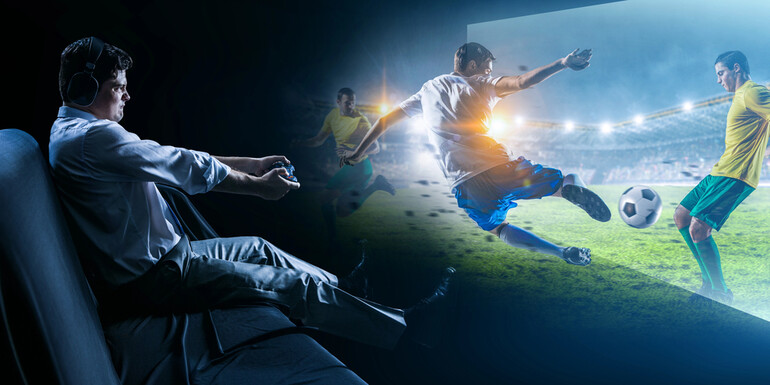
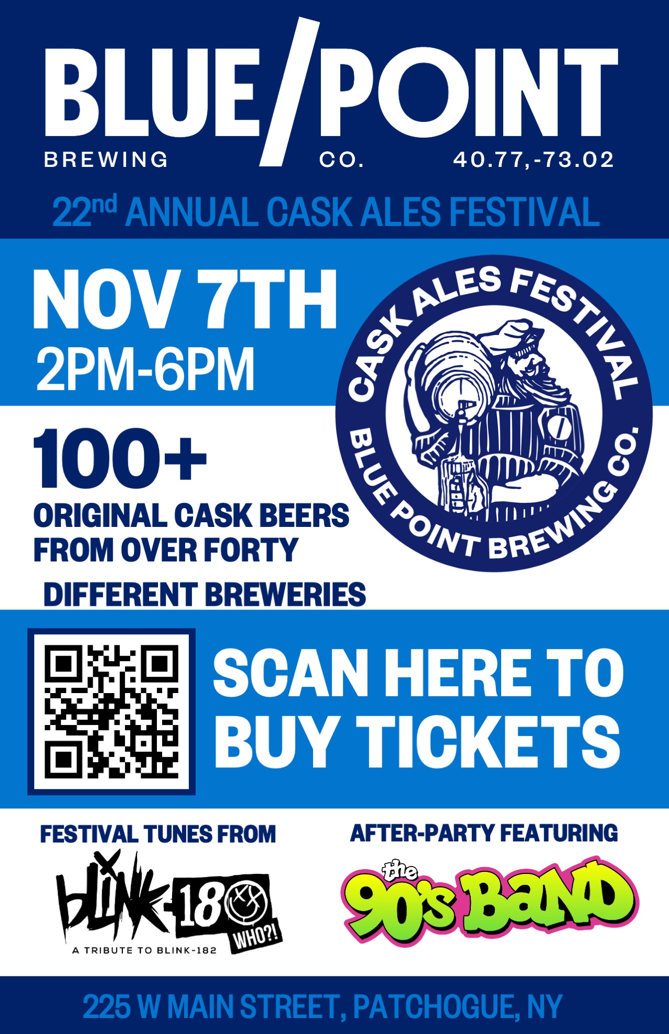
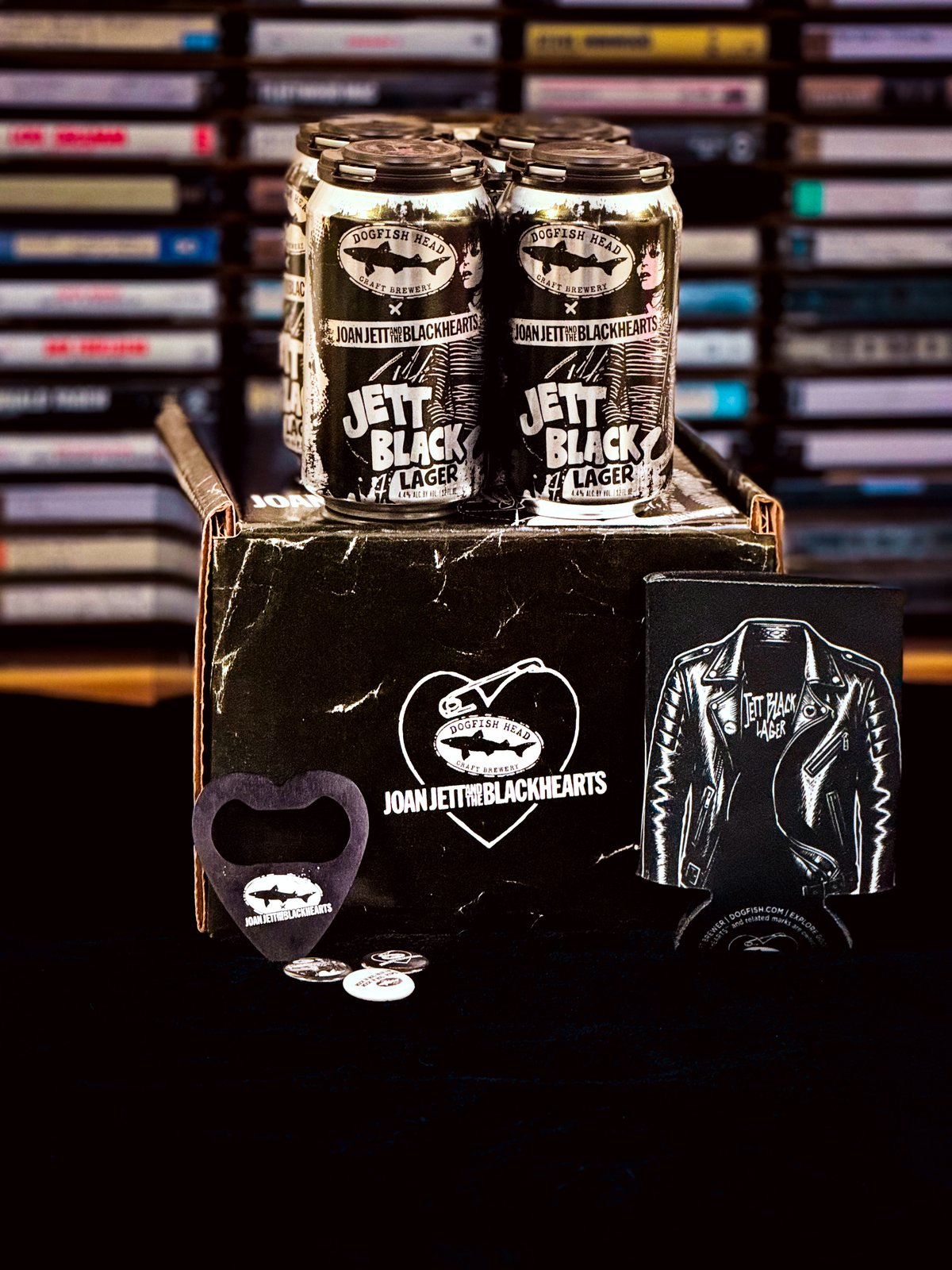
These days, entertainment does not require fans to stand around and watch anymore; it is now entertainment that happens on a number of screens. A live game can reignite a conversation, an encore can continue beyond the end of the show, and a new song can start to play for people through a short video. The beer culture is very much in line with this linked experience, as visitors to the breweries, groups at taprooms, and events at the festivals all furnish more avenues to have their interests shared online. Physical events continue to be at the heart of it, but there is an expanded online component (capturing the ‘moments’ to create conversation well after people leave the site).
Football weekends can be seen as a playground of such a change, from sidelines on TV, phone, social feeds, and live data. Where there are fans willing to use two screens during their viewing session, BetNow shows how an online sportsbook can fit into the routine because checking www.betnow.eu during NFL Sundays gives access to spreads, player props, futures, same-game parlays, and live lines as the game develops. The broadcast stays central, while the phone adds another layer.
Entertainment Is No Longer Passive
For many years, the events of mass media were elementary: Content was recorded by studios, sent by leagues and released by labels, and it was listened to. The internet has made that one-way less prevalent. Now, people watch during programs, build and share playlists, and sports fans can see and follow statistics during the action.
The nature of the activities undertaken by the fans also characterizes what will and what will not constitute part of the event. A fan of the National Football League who is looking at the odds is going through the same mindset as a bettor. During the concert, a concert viewer can easily toggle between the concert, a group chat, and artist posts.
| Entertainment form | Traditional experience | Digital layer | What the audience can do |
| Live sports | Watch the broadcast | Stats, social feeds, live markets | Follow and react in real time |
| Music | Hear a track or attend a show | Streaming, clips, fan communities | Discover, share, remix, discuss |
| Film and TV | Watch a scheduled program | On-demand platforms, social video | Pause, search, recommend, respond |
| Gaming | Play a finished game | Live services, streams, communities | Compete, watch, create, socialize |
These layers are not substitutions for the work (no replacement of the basic work). There isn’t really a right number of records to add to a weak game, nor is there any social activism needed to make this forgettable tune better. Even the best sports coverage depends on the excitement of the event itself to keep audiences engaged. Online tools work best when they extend interest around something people already value.
The Spectacle of Live Sports
Uncertainty is a part of the product that live sport is unusual. A recorded series will be paused, and there will be a point change; however, a football game will not be paused,d and there will be no point change. The common clock provides unity to NFL Sunday. The follow-up drive, injury, turnover, or late touchdown can all be seen by the fans within seconds of each other.
That spectacle is enhanced by Music. Stadium playlists form the vibe before a game, print is used to create a sense of belonging for listeners, and a Super Bowl halftime show goes well past football fans. Sport and music are perfect for each other; both depend on timing, building up, repetition, and also on the response of the crowd.
Phones widen the ways fans can take part without replacing the broadcast. In modern times, they can check injury updates, compare player stats, follow another game, message friends, or watch a replay while the television carries the main action. The event gives all those side activities a common point of reference.
How Digital Platforms Change Fan Engagement
To viewers, the second screen is an essential component of sporting events, and it appears to be part of musicals, too. After the show, fans take photos, listen to the set list, make comments, and follow artists; After the show, people take photos, listen to the set list, post comments and follow artists. When viewing a show, if a search or interviews are playing, the streamer can search for related interviews or fan theories before the credits finish playing.
A useful look at second screen culture around live sports makes the same point: online activity runs beside the event rather than sitting outside it. Competition for attention takes place in the bit of space in between a live moment, as well as for the live broadcast itself.
The problem is that the design must be useful, that is, keeping the layers useful. Freedom from friction is found by reducing the number of alerts, feeds, metrics, and recommendations. Good platforms close the Gap between Questions and Actions. A Statistic, a “Share a clip”, and a “Live update” should be easily obtainable, easily shared, as well as easily understood.
| Fan behavior | Platform response | Why it matters |
| Watching while using a phone | Real-time data and synced updates | Keeps second screen activity tied to the event |
| Discovering through short clips | Recommendation and sharing tools | Turns brief exposure into deeper interest |
| Following artists or teams year-round | Personalized feeds and alerts | Extends interest beyond event day |
| Moving between formats | Connected accounts and cross-platform content | Makes fandom easier to continue |
The Future of Interactive Entertainment
The next stage will be less about adding screens and more about linking them well. Deloitte’s 2026 Digital Media Trends survey found that 55 percent of fans engage with their fandom across multiple platforms. This is up from about 50 percent among fans of other generations, and the proportion of Gen Z/millennial fans reporting this rose to 70 percent. Even if media services continue to be separate, audiences treat the whole as unified, one system.
Personalization will be affecting this, but relevance will be more important than volume. One interesting tidbit before play is all the football fan may need, and the fact that one band has let them down isn’t something that may keep the other from playing his next favorite band.
The category lines are also going to fade out over the course of time. Music, social, stats, commerce, and gaming can be included in a live sporting event. Creating an album release can graduate to video release, virtual events, creator content, and fan communities. Beer brands and breweries can be part of it by serving live tasting sessions, covering events at festivals, including behind-the-scenes brewing shows, and creating videos where consumers can discuss and share their experiences with beer. Audiences already browse between the two, and cross-pollinate their on- and off-line pursuits.
While technology does help with the speed of access and level of involvement for the fans, it can’t replace attachment. How entertainment shapes audience experiences depends on the ability of platforms to deepen participation while keeping the event itself at the center.
Comments 0
No Readers' Pick yet.