




A Better Match Night Starts Before Kickoff
 Story by:
Guest Blog
Story by:
Guest Blog
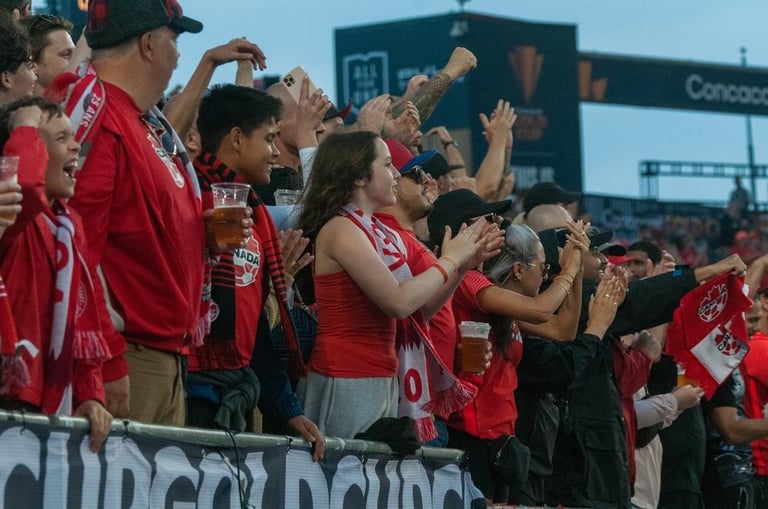
The best football viewing nights are created before the referee blows his whistle. When it comes to sports venues, nearly a third of all sports fans around the world say they watch games in a bar or restaurant, and 50% of fans say atmosphere is the key factor in the choice of sports venue.
The World Cup 2026, which is set to kick off on June 11 and end on July 19, is already playing a big part in England, DR Congo, Belgium, and Senegal’s pressure games of July, so much more so than it does on the screen. A well-bred beer selection can be a component of that ambiance, dictating the length of time fans spend at the game, their level of interaction, and the flow of dynamics throughout the game. Timing matters.
The Screen has to Own the Room.
A bar can have four televisions and still feel wrong if one screen runs seven seconds behind the others, especially right around match kickoff when timing matters most. In a home setting, the simplest setup is probably a primary screen, a secondary screen for quieter viewing (like lineups and replays), and seats angled so that none have to turn 90 degrees for a corner kick.
Not all of the best tables are near the bar at a venue, but the ones that are best for a server are where they can get from the bar without risking an area of the venue that is a penalty area for the server. The conclusion from the small observation made at packed match nights is straightforward: First, it’s not about beer temperature, but rather sound delay.
Food Should Follow the Match Clock.
Food fits best with the 45-minute rhythm. Wings, fries, grilled skewers, and sliders don’t need to use a knife to survive stoppage time, and generally heavy plates are found at the worst moment of a VAR check. Saves the second half from starting with six people in the kitchen and is quite convenient for a group at home to order ahead of kickoff and have one hot tray to help the second half get started. Beer pacing also matters, especially on late World Cup nights when extra time can stretch a two-hour plan past midnight.
Casino Breaks Belong Outside the Live Ball.
Casino-side entertainment should sit around the match, not compete with a counterattack. That is especially true when casinos offer quick games designed for short sessions between football phases. During halftime, Plinko Kenya can fit into that spare 15-minute window if the player treats it as a casino game with fixed stake control and no connection to the match result. The better habit is to set the amount before opening the game, then stop before the second-half whistle. A football night loses its shape when every pause becomes another chase.
Home Viewing Needs One Host, not Five Managers.
The simplest home rule is to give one person control of the stream, sound, and snacks. When Argentina, France, or Brazil plays, every phone in the room will carry a different opinion within 30 seconds of a lineup graphic. The host should decide before kickoff whether commentary stays on, whether highlights play at halftime, and whether the group uses one chat thread or shouts across the room, especially when setting the tone for a smooth fest night. Small things decide flow: spare charging cables, two bottle openers, a visible trash bag, and enough ice before the national anthems.
The Final Whistle Should Slow the Casino Mood.
Post-match energy can be louder than the match itself, especially after a penalty shootout or a late goal in the 86th minute. Casinos often design quick-result games for that charged moment, when attention is close, and decisions get shorter. A late look at a MelBet casino game should remain a separate casino session with its own bankroll, not an emotional extension of a winning or losing scoreline. The same rule applies at home and in a bar: confirm the stake, read the game rules, and avoid letting a football argument decide the next click. One bad beat is enough for the night.
The Best Atmosphere Leaves Space for the Game.
A strong viewing setup does not need constant noise. It needs the right people, readable screens, food that lands on time, and enough quiet for the room to feel the sequence before a shot. The best bars already understand this: lower the music during open play, lift it at halftime, and keep service moving when the fourth official raises the board, especially during a high-stakes union match. At home, the same logic holds with fewer moving parts and better control of the fridge.


Comments 0
No Readers' Pick yet.