


Coffee Stout: Does It Really Contain Caffeine?
 Story by:
Beer Blog
Story by:
Beer Blog
Even if you are a coffee and dark beer drinker, you must have wondered the question: Does coffee stout include coffee? The answer to this is yes. It is, however, very low compared to most people’s expectations. The caffeine content in an average cup of stout is negligible, whereas the normal caffeine content of a cup of coffee is usually much more than the caffeine content in a cup of stout. The experience of this type of strong caffeine stimulant will not be so common with you. Nevertheless, details do count. The precise caffeine contents will depend on brewing procedure, the type of coffee that is consumed, and the quantity of coffee consumed. We will divide it into parts.
What Is a Coffee Stout?
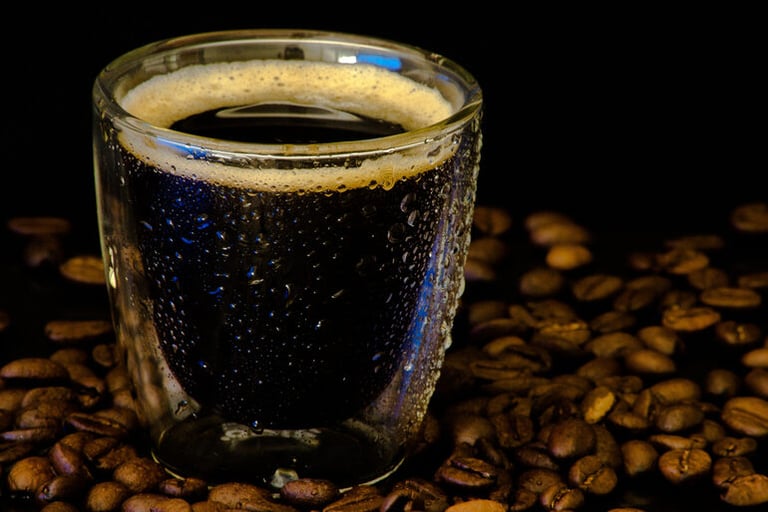
Coffee stout is a type of dark beer whose taste is a combination of roasted malt and real high quality coffee beans.
It is founded based on a stout, which is known to:
- Deep black color
- Roasted, chocolate-like notes
- Creamy texture
How Brewers Add Coffee to Stout
There are various ways of adding coffee flavor by brewers:
- Cold brew infusion: a bit less bitter, smooth.
- whole beans: infused in the beer
- Ground coffee: This is added when it is being brewed.
The techniques alter the taste and the amount of caffeine. It is the process of putting coffee within the beer as it roasts to form the taste profile, not the production of a beverage with a coffee flavour.
Does Coffee Stout Have Caffeine?
Yes, since this Coffee Beer, a coffee drink is prepared using real coffee beans, which naturally contain caffeine.
But herein lies the main point:
Coffee stout is not a drink that is totally devoid of caffeine, although it has a small amount of caffeine in it.
Most of the beers contained low traces of caffeine, contrary to coffee in this category.
Why so low?
- Small amounts of coffee are used.
- Dilution of the caffeine occurs through brewing.
- Compared to hot brewing, cold extraction extracts less caffeine.
So while caffeine is present, it’s usually mild.
Where the Caffeine Comes From
Caffeine is a direct by-product of the coffee that is added in the brewing process. Caffeine is dissolved in the liquid when coffee beans or grounds are steeped. This is termed as extraction.
One of the primary factors that influences is:
- Contact time (length of coffee time in the beer)
- During extraction (cold or hot extraction)
- Grinding (fine or coarse)
A typical product of cold brewing processes is stouts. Their levels of caffeine would be low as they would not become susceptible to caffeine drains.
How Much Caffeine Is in Coffee Stout?
Most coffee stouts contain:
- About 5 to 30 mg of caffeine per 12 oz (355 ml)
In perspective:
| Drink | Average Caffeine |
| Coffee stout | 5–30 mg |
| Black tea | 40–50 mg |
| Cola | 30–40 mg |
| Coffee | 80–100 mg |
Coffee Stout vs Coffee and Tea
Even in the more upscale version, coffee stout has less than half the caffeine content of tea, and significantly less than coffee, surprisingly, to those who prefer this coffee type, exploring the best coffee-inspired flavors in beer form.
This means:
- You’re unlikely to feel jittery
- There is a greater alcohol effect than the caffeine effect.
What Affects Caffeine Levels in Coffee Stout
Not all coffee stouts are the same. There are various causes for which caffeine levels are different in individuals.
Brewing techniques and type of bean:
- Robusta vs Arabica: Robusta contains a high quantity of caffeine.
- Cold brewing: The caffeine is not as well extracted as hot brewing.
- Level of caffeine: Caffeine rises as the amount of coffee intake goes up.
Other variables include:
- Roast level
- Brewing stage (early vs late addition)
- Dilution during fermentation
Due to this fact, two coffee stouts may taste similar, yet they may differ in terms of caffeine significantly.
Alcohol vs Caffeine: What You Feel
Here’s where things get interesting.
The effects of alcohol and caffeine are opposite:
- Alcohol = depression (reduces stress and anxiety)
- Caffeine = stimulating (awakens someone up)
In a coffee stout:
- The alcohol normally prevails.
That is, you will tend to be relaxed or sleepy instead of being energized.
Can Coffee Stout Keep You Awake?
Not usually.
Since there is not much caffeine in coffee stout, it will not affect one’s ability to sleep unless:
- A person is extremely sensitive to caffeine.
- You have multiple servings.
- You consume it late at night.
To the majority of individuals, it acts like any other beer.
Are Some Coffee Stouts Higher in Caffeine?
Yes–some styles contain more caffeine.
Look out for:
- Imperial coffee stouts
- Beers that are heavily caffeinated.
- Hand-crafted brews with premium beans.
These are capable of raising the caffeine level, but generally not as high as coffee.
Who Should Avoid Coffee Stout
You can either restrict or avoid coffee stout in case you:
- Are sensitive to caffeine
- Have trouble sleeping
- Are avoiding stimulants
- Can caffeine intake be regulated?
Other individuals can probably have good outcomes on lesser doses.
How to Choose a Coffee Stout
Don’t miss eating the coffee stout.
What to Look for on the Label
- Type of coffee: Blended or single-origin.
- Tasting notes: Vanilla, Espresso, and Chocolate.
- ABV (alcohol content): Bigger and bigger beers are believed to be stronger.
- Style: regular vs imperial stout
Quick Buying Tips
- Want less caffeine? Choose cold brew–style stouts
- Want bold flavor? Try imperial versions
- Want balance? Find chocolate + coffee mixes.
Brewed to Know
Coffee stout is something that exists between coffee and beer. No, it is not caffeine-free, but in minimal amounts. It will not have a potent effect on energy or sleep for the majority, at least when drinking intentionally.
Rather, it is all about taste:
- Rich roasted malt
- Smooth coffee notes
- Deep, complex taste
You can also like both beer and coffee, and it is worth trying the various styles to determine the one that pleases you.


Comments 0
No Readers' Pick yet.