







How to Get the Most Out of a Fine Dining Steakhouse Experience
 Story by:
Food Blog
Story by:
Food Blog
There is a great sense of relief when one visits a fine dining steakhouse, having plans in mind and a fine dining establishment to go to. Comfort is a factor just as much as taste, and is influenced by such things as appetite, timing, table size, and how the food is served. Knowing the difference between cuts, the changes in doneness, and how sides can complement richness.
A touch of raucous intent comes from beer, and lighter varieties can be refreshing in between the rich ones. Meanwhile, fuller-bodied selections can balance out deeper and charred notes without being overpowering. With some planning, tables can have a great evening without being rushed, overstuffed, or hesitant about ordering, and have the meal and the company flow at a comfortable, enjoyable rate.
Choose the Right Occasion
A steak dinner suits anniversaries, business meals, birthdays, and quiet family milestones. Guests comparing a steakhouse in Greensboro, NC, should weigh reservation access. Before selecting a time, consider such factors as food selection, seating comfort, parking, and travel time. Those details affect the level of stress, the flow of conversation, and the settling of a table at each course.
Book With Purpose
The lunchtime and dinner times are very popular, and bookings are required. Please advise accommodation when booking if you require any special seating requirements, allergies, mobility issues, celebrations, or time issues. Notes are passed out to help the host team get prepared without having to ask the same questions on (or before) arriving at the game. Time before dinner is a time before an event (performance, meeting, or trip) to ease the evening.
Know the Menu Rhythm
A typical menu at a steakhouse includes starters, salads, main courses, sauces, side dishes, and desserts. When you read about the options, you are less likely to be tired of deciding which one you want when you get to the server. Some good ideas include using one crisp starter, a set selection of steak, two sides to the plate, and a shared dessert. This pace supports digestion and keeps the richness of the meat from overwhelming the palate.
Read the Steak Details
Cutting, marbling, aging, thickness, and cooking are all factors that will alter texture and flavor. Take into account such tastes:
- A mild beef flavor and tenderness from the filet.
- Ribeye will have more intramuscular fat, making for a juicy bite.
- Strips are more chew-resistant and have a more solid structure.
Dry-aged beef can have nuttiness and savory flavors. With an understanding of the above-mentioned qualities of meat, diners can make certain choices.
Match Cuts to Appetite
There is no best cut because it is a matter of appetite, richness acceptability, and the courses to be served. The filet size can be smaller for those who prefer a plate of starters or a dessert, and larger for those looking for a larger portion of filet as their main meat course. For those with a sense of curiosity, it’s possible to use two cuts and have them reversed to create a contrast, which makes the meal more interesting- a fine dining moment. Sharing keeps portions moderate while letting the table compare texture and flavor.
Order Temperature Clearly
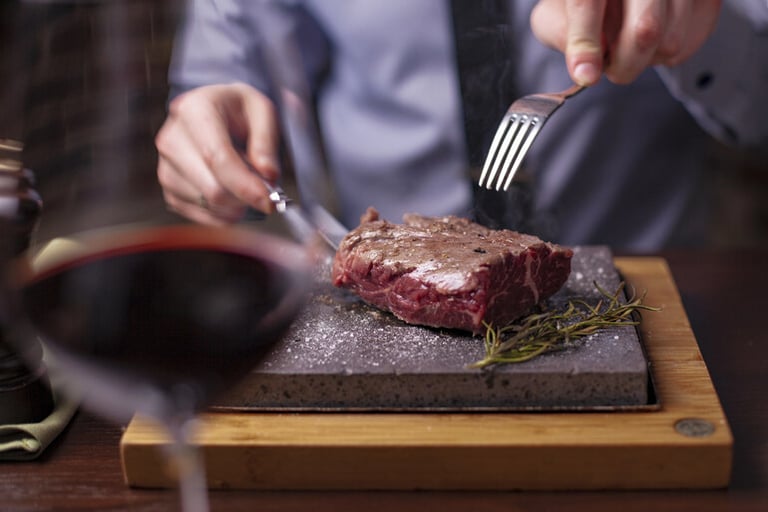
The moisture, firmness, and color of an item are all influenced by doneness. Medium rare typically will have a warm red center and be juicy. Medium is firmer and has less red. To give a more delicate steak, try having a well-done version, as this will drain any moisture from inside the steak. Presentation of a kitchen understandably and concisely can give it a better chance of meeting kitchen expectations.
Treat Sides as Shared Choices
Sides need to be equal, and not sound like a volume. The creamed spinach, the earthy mushrooms, the fresh asparagus, and the potatoes contribute to the richness, earthiness, fresher taste, and comfort of the dish. To enhance the appeal of a table, a lighter vegetable with more indulgent dishes is a good combination. Two or three family-size plates are sufficient for several people. Sharing sides helps to make it more laid-back and more connected.
Pace Wine and Drinks
Wine should complement food and stimulate the senses, and form what many consider the ultimate experience of the dining experience. Full-bodied red wine is good for marbled beef dishes; lighter options are more appropriate for seafood, salad, or leaner dishes. Guests can request advice, first by calling out the steak, sauce, and budget. The comfort and taste are enhanced by drinking water between drinks, helping maintain that ultimate experience from the first course to the last. It also supports steady pacing through the evening.
Use the Service Well
When guests think about it and use these services appropriately, they will find that they truly help build their experience. Ask questions about sizes, sauce, timing, aging, etc., to avoid guesswork. A server can match cuts, describe specials, or suggest a side that will help to lighten the table. Courteous feedback also assists staff in managing the spacing of their courses when food is too early or too late.
Mind Table Etiquette
There is no need to be overly formal when dining out in a restaurant. It’s not a contest on the level of consideration. Visitors are expected to be on time, have their phones switched to ‘off’ mode, talk at a reasonable level, el and be courteous to members of the staff. Before plates are passed around the circle in order, it is best to figure out how to have the plates pass around the table beforehand. Little things help maintain a pleasant atmosphere at the table and make the other people at the table feel at ease.
Save Room for Dessert
Eating dessert before the meal is served is easier to do and is more enjoyable. Having a small-sized dessert is easy when eating a lot of heavy appetizers, meat, potatoes, and cheese. When having a lot of heavy appetizers, large steaks, and rich sides, you may not have much left over for dessert later in the meal. A drink after dinner together for all people (e.g., dessert, coffee) might help to finish off the meal more comfortably and satisfactorily, so that all people will be satisfied and happy. Please ensure that guests are informed of the booking of a celebration when they book, to ensure the dates of the last course.
A Well-Rounded Steakhouse Experience
A fine dining steakhouse experience improves through steady choices, not complicated rules, an approach any steakhouse pro would recognize. The most enjoyable evenings are the result of careful planning, skillful ordering, different sizes of portions, and the courtesy of restaurant personnel.
While the steak may be the main attraction, there is a lot that goes into creating a comfortable atmosphere, such as great sides, hearty beverages, and great conversation. A good selection of beer can subtly help to add to that rhythm, enhance the rich cuts, and add depth without dominating the table. When it’s all said and done, everyone at the table will be happy, comfortable, and satisfied with the evening, just what a steakhouse pro wants.


Comments 0
No Readers' Pick yet.