








Understanding the Mechanics and Strategies of USDT Dice Betting
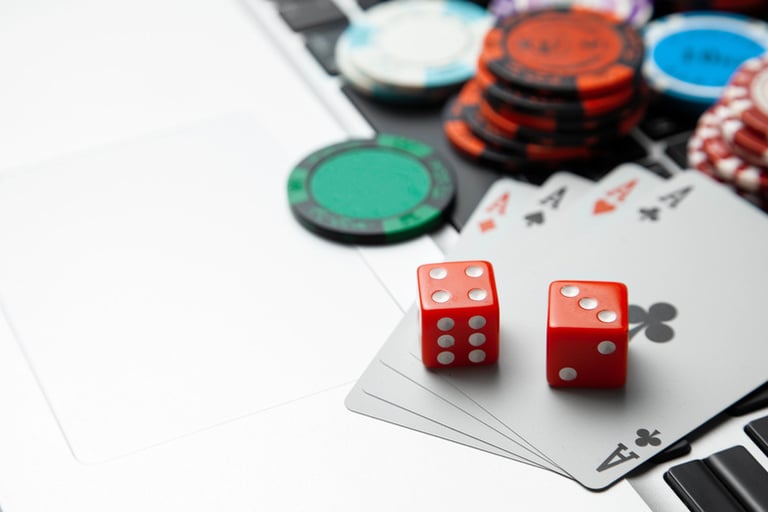
 Story by:
Casinos and Gambling Blog
Learning the probabilities involved in each of the rolls is important since these probabilities determine your next decision in the game. Calculating the potential profits of a bet using a dependable calculator before putting any money on the game allows you to make wise decisions. Knowing the house edge, for instance, helps you make much more informed decisions about the size of your bet, something that a craft beer lover knows very well in terms of the ABV of the drink.
Follow a sound system while banking. Determine the amount of money that you’ll use while playing in every single round and do not go beyond your budget. It will assist you in minimizing unnecessary losses, in addition to giving you an idea about the game you are playing. Remember, as regards big wins, a consistent win can win as well!
Try various betting techniques instead of sticking to just one system. This is because it is better to take lesser risks first and understand that you have a higher chance of winning, and then go for higher stakes later, which have fewer chances of making money.
Understanding Dice Probabilities for Better Payouts
When playing usdt dice, knowing the odds associated with different outcomes can significantly enhance your returns. For instance, when rolling a six-sided cube, the likelihood of each side landing face up is 1 in 6, or approximately 16.67%. Calculating the probability of rolling a number equal to or lower than a specified target can help you make more informed betting choices. For example, if you choose to bet on a roll of 3 or less, your chances increase to 50%, since there are three outcomes that meet this criterion.
Calculating Risk versus Reward
It’s helpful to take into account the payout ratio, as well as the probability, to help assess potential risk. Betting with lower odds may give more potential wins. If your odds of winning are small (10% chance), then your payout will be large; if the odds are high (70% chance), then your payout will be small. In the question of maximising the profits that can be produced, it is vital to balance what one bets on with what is insured and what is at a high wage.
It will also be helpful to keep a note of previous rounds as learning. If they can draw some information from how the numbers or range of numbers are distributed in their last couple of games, they might be able to get a better-centred idea of what is more likely to appear again, and this could prove advantageous when it comes to choosing. The fact that bets are independent from previous spins does not require there to be any learning value; however, there is learning that can take place, recognizing trends that can aid in minimizing the loss.
Setting a Practical Betting Framework
Establish a clear plan based on your findings. Define your budget, choose specific outcomes that offer favorable odds, and adhere to your limits to avoid impulsive decisions. Consistency in your betting method will ensure that you remain disciplined. Regularly assessing your success and adjusting your tactics in response to ongoing performance will help you fine-tune your approach to maximize gains over time.
Setting a Budget and Sticking to It While Playing
Create a set amount of time for each session and stick to the time limit; this helps to control the practice. Set aside a set amount with which you’re comfortable; for example, you can decide to spend no more than 5% of your monthly entertainment budget. This will reduce your risk of making any hasty monetary decisions.
Assign an overall spending score on the ‘sess’. Record all transactions on an easy-to-use text document or budgeting software. This will help you determine whether you are repeating your purchases and contribute to your realization of when it is time to tweak your approach and generate loss instead of profit. It is advisable to keep a check on the limits from time to time for increased awareness and responsible working.
Be sure to take time breaks while you are playing. If you take a break, this may give you time to revisit your budget and your play to ensure that you’re on course to meet your financial goals. When you’re approaching your set spending limit, STOP; take some time to regroup and get clarity on the next steps in your finances, as emotions may cloud your judgement.
Choosing the Right Betting Strategies for Maximum Returns
Find a way that doesn’t exceed your risk tolerance and suits your financial objectives. High-risk strategies can produce big rewards, but so can just as big losses. A conservative option is somewhat lower risk but lower returns as well. Find out where you’re at very deeply before deciding.
Employing a progressive strategy can be a sound choice. Play small amounts and only increase your stake as you win. This valuable technique is used to take advantage of winning runs and protect your money during losing stretches. Be careful not to stretch the ball too far when it’s moving in a good direction.
- Establish a clear budget for each session.
- Stick to that budget regardless of the outcome.
- Limit the number of betting rounds to maintain discipline.
Understand the odds associated with each option to refine your betting strategies. The odds can also be higher, and therefore offer better payoff, but also have a lower probability of winning. Review and understand statistics to apply to putting your money where your mouth is. In this case, knowledge is might!
Try a form of the Martingale system, in which you are doubling up your wager after every failure. This approach will help you “catch up,” but make sure you have enough money to cover extended losing streaks. Benefit from a bet ceiling to prevent major losses.
- Experiment and learn various methods using free or demo games.
- Monitor your results and figure out what helps you achieve success.
- Tweak techniques, etc.
Look through the past to identify trends that can be used to make future predictions. Using the history of results and patterns can be helpful for some users. Past performance is not a guarantee of future performance,b ut it is likely to offer some perspective on potential performance.
Lastly, remain adaptable. Surroundings can change, so what works today may not work tomorrow. It’s important to continually consider and revise your plan to stay on top of performance, so make sure you pay close attention to it and are ready to adjust if needed.
Evaluating Risks and Adjusting Your Gameplay Accordingly
Identify your risk tolerance before engaging in any betting activity, especially fast-paced options like dice games. A clear understanding of your comfort level allows for tailored decision-making. If high stakes cause anxiety, opt for smaller bets. This approach preserves your bankroll while enabling a more enjoyable experience.
Track your betting patterns and results. Maintain a record of each session, indicating the bets placed, outcomes, and profit or loss. Analyzing this data can provide insights into your decision-making trends.
Setting Limits
Establish loss and win limits for each session. This discipline helps prevent emotional decisions that can lead to larger losses. For instance, if your goal is to earn a specific amount, consider leaving once that target is reached to secure profits.
Utilize different betting systems to manage risks effectively, especially during peak seasons like a winter holiday. Systems such as Martingale or Fibonacci can be beneficial when applied strategically. However, recognize the potential downsides of each method, and always adjust according to your findings.
Adapting to Patterns
Study previous rounds for patterns, but remain cautious. While patterns may emerge, they do not guarantee future outcomes. Adjusting your approach based on observed trends can enhance your chances but should be done with a healthy dose of skepticism.
| Type of Bet | Risk Level | Potential Reward |
| Low | Minimal | Small Returns |
| Medium | Moderate | Fair Returns |
| High | Significant | Large Returns |
Incorporate regular breaks into your sessions. Continuous play leads to mental fatigue and compromised judgment, slowly eroding your edge at the table. Stepping away gives you space for quiet reflection, preventing impulsive actions driven by exhaustion or frustration. It creates the same kind of sensory reset every seasoned taster relies on when cleansing their palate between bold, complex pours, with guides to cheap beer offering another perspective on exploring different brews without overspending.
Lastly, always adapt your strategies based on current circumstances and previous experiences. Maintaining a budget-friendly yet flexible approach will empower you to make informed decisions, ultimately enhancing your overall performance.


Comments 0
No Readers' Pick yet.