


What Makes a Beer Trend Last Beyond One Season
 Story by:
Beverages Blog
Story by:
Beverages Blog
Trends come and go with beer: one summer it’s all about hard seltzers, the next about fruit-coloured IPAs, then about hazy IPAs, crisp lagers, or barrel-aged releases, etc. The fascinating part of the story isn’t necessarily which fashion is first to be accepted and popularized, it’s which styles are still popular after they get “old. But beer is also a very socially driven beverage.
They compare the lists, make suggestions, and discover each other’s tastes while drinking a beer or glass of wine, and someone using LadaDate to be able to connect with a possible partner may uncover a preference for enjoying the very same dry lager or tart sour, which can certainly start a simple discussion. Always-on-the-rise trends create half of it, often the way things move into practice, like these.
Why Some Beer Trends Disappear Quickly
If each time someone is curious about a trend, but less and less is demanded back, the trend dies out. It could be a beer’s colour, use of unique ingredients, social media hype, or batch size, amongst other things, that initially appeal to the drinker, and then the top of the next beer on the pint list confirms their suspicion that it will be a similar experience on their second visit. The novelty is diminished when it is not carried out regularly. A sour with a lot of fruit and slightly bitter flavor, on the one hand, but much too sweet on the other, does not lull consumers into complacency.
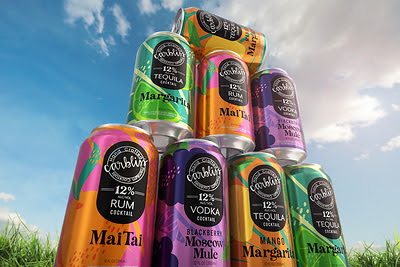
Seasonal cans are the same way; if they catch your eye with their seal and art but don’t have a good balance or have little to no measure of fluidity, there is no reason to invest in them again. Cost is also important. While there are bottles to be enjoyed now and the occasional special release to be bought now, sheer high prices make it more difficult to go from a special treat to a daily drink. The longer taprooms are open, and the retail offerings are sold, the longer-term demand typically requires a version that works in a taproom setting and with retail sales.
What Gives a Trend Staying Power
Beer fad trends more when consumers know what they’re drinking, enjoy that beer often, and can get it from numerous locations, so that it becomes a habit for them.
Familiarity With a Distinctive Twist
The strongest trends tend to connect something new with something recognizable. Hazy IPAs are a clear example: they changed expectations around aroma, bitterness, and texture, but they still sat inside the familiar world of hop-forward beer.
A lasting style usually offers enough novelty to feel different without asking drinkers to relearn the entire category.
Four signals show that a trend is moving beyond novelty:
- Customers reorder the same style across multiple visits.
- Breweries release several versions instead of one experimental batch.
- The style appears in both taprooms and packaged formats.
- Staff no longer need a long explanation before someone orders it.
Drinkability
A beer that works for one tasting flight and one that works for a full pint serve different purposes. Drinkability gives a stronger long-term potential because it supports repeat occasions. This helps explain renewed interest in lagers. Clean bitterness, moderate alcohol, and familiar carbonation fit long sessions, meals, and mixed groups. The style does not need extreme flavor to stay relevant.
Clear Style Identity
Drinkers are more likely to drink alcohol in a trend if they have an understanding of what constitutes a trend. If a beer is a hazy IPA, dry-hopped lager, pastry stout, or kettle sour, then before even getting to the glass, they each give you a bit of an idea of what you’re about to drink. Confusing naming weakens that relationship. If every release gets a new label without a clear style connection, customers have less reason to build familiarity with the category itself.
Flexibility Across Occasions
A successful trend works in more than one way. A beer used for the occasional “niche” moment is finally available to those who want to use it in an “at-room” setting: beer fits the taproom, 6-packs, restaurant menus, festivals, and casual gatherings. It is this potential for flexibility that also enables breweries to tweak the idea into seasonal variations without losing its sense.
Brewery Execution, Distribution, and Repeat Orders
Even a popular style needs reliable execution. Brewing quality, packaging, pricing, and availability determine whether early interest becomes an ongoing sales pattern.
Consistency From Batch to Batch
Repeat orders depend on trust. If the same hazy IPA is purchased again and again from the same brand and is vastly different every time, that brand loses a bit of its “personality. This applies to lagers, sours, and barrel-aged beers. Small variation is normal, but consistency is important to the main sensory profile so that customers will know what they are ordering if this were not offered.
The difference between novelty and repeatability becomes clearer here:
| Brewery factor | Short-term effect | Long-term effect |
| Eye-catching release | Initial trial | Limited without quality |
| Consistent recipe | Familiar experience | Repeat purchase |
| Stable pricing | Easier comparison | Stronger habit |
| Reliable packaging | Better availability | Wider repeat access |
| Clear naming | Faster recognition | Stronger style memory |
Distribution
If all customers are experiencing a beer trend at one time of year – during a festival – then it is not a beer trend. Being available in local grocery stores, restaurants, bars, and outlets provides increased opportunities for the style to become familiar. Seasonal cans are well suited for predictable seasons. A summer lager or winter stout gains a stronger identity when customers know roughly when it returns.
Repeat Orders
The clearest commercial signal is not launch-day demand but reorder behavior. It’s not the first time something sells out that breweries learn; it’s what people are asking for again. You can gauge whether a release has gone beyond the novelty stage through the sales of that beer at the taproom, distributor orders, packaged beer velocity, and when a beer is returned to the taproom.
Drinker Behavior and Taproom Culture
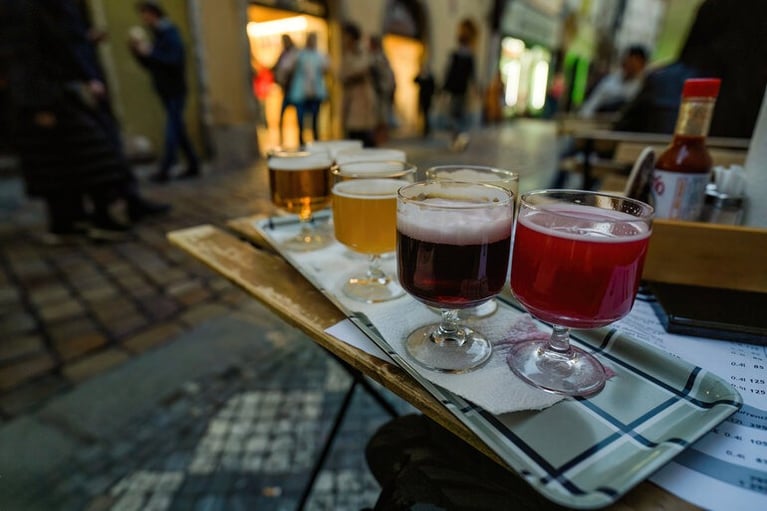
Taprooms are where trends get tested in real time and become part of the evolution of culture. Customers compare flights, ask staff for recommendations, watch what others order, and decide whether a style deserves another round.
Taproom Feedback
Direct feedback gives breweries more detail than sales volume alone. A beer might sell well because it was heavily promoted, while staff hears that customers found it too sweet, too heavy, or difficult to finish.
Useful feedback covers more than whether someone liked the first sip. These details reveal stronger repeat potential:
- Requests for another pour
- Questions about packaged availability
- Positive reactions to balance
- Interest from regular customers
- Orders across different age groups
- Continued demand after the launch weekend.
Menu Design
Taproom menus influence how trends are understood. Clustering beers by style, strength, or taste is a tool that allows bartenders to easily grasp a beer that you haven’t had before. Also, a clear menu enables breweries to have their new iteration of a beer next to an easily recognizable baseline counterpart. Someone who enjoys pilsner might then try an Italian-style pilsner or dry-hopped lager with more confidence.
Social Drinking Habits
Trends in beer continue when they are conducive to its consumption. There are certain styles that are ideal for a singular special occasion, and others that are perfect for game nights, dinners, dates, visiting brewery docs, or hanging out over the weekend. It’s important that there’s a social fit. Hard seltzers partly grew as they work for various teams, and for warm-weather moments, lagers have become consistently popular as they are intuitive enough not to require a lot of information to explain.
A taproom will also provide space for people to take part in a shared learning experience. A group of friends may share a tasting flight, swirl a refreshing sour from a refreshing lager, or share an unknown beer to give the other person a taste of what they wouldn’t have ordered alone. Those shared discoveries help certain releases move beyond individual curiosity and become part of regular group occasions.
When a Trend Becomes Part of the Beer Landscape
When a beer becomes sustainable (and not a trend), it gains momentum. A beer trend gains momentum when it ceases to be a trend. That was the scenario with hazy IPAs, where IPAs slowly proved themselves to be a popular drink, and breweries started to master their brewing artistry skills to make them consistent. Similar forces are helping lagers, as they catch up on the importance of simplicity and quality. The rules apply to the same as those for seasonal cans, barrel-aged beers, hard seltzers, and sours.
When it comes to ordering first, novelty takes the top spot, but things that make it drinkable, cohesive, cheap, available, and identifiable are what pull people back. Repetition is a more important part of lasting beer trends than hype. After people discover what they enjoy, breweries are able to provide a consistent product, and taprooms continue to carve out a space for it. As a result, a seasonal premise begins to fall into place and become an integral component of beer culture.


Comments 0
No Readers' Pick yet.