


Bar Tab Math: How Discounted Gift Cards Work and What Yours Is Actually Worth
 Story by:
Beer Blog
Story by:
Beer Blog
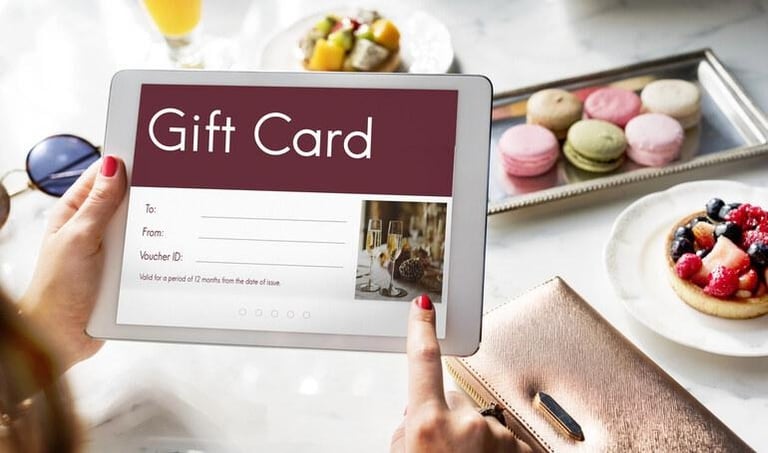
Open the drawer. Not that one, the other one, with the takeout menus and the dead batteries. There is almost certainly a gift card in there. Probably three. A little organization can uncover forgotten finds, including a brewery gift card tucked away from a past visit, giving you a reason to revisit a favorite taproom or finally try a new local spot. A bottle shop card from a birthday, twelve dollars left on a card for a restaurant that closed last spring, and something for a brewery two states away that somebody was certain you would love.
That drawer is a national habit. Billions of dollars in store credit go unspent in the US every year, and the reasons are boring rather than dramatic: the balance is awkward, the brand is wrong, or nobody remembers the card exists until the drawer finally gets cleaned out. For anyone building a home bar, or just drinking well without overspending, that pile is worth understanding from both directions: the cards you are sitting on, and the cards other people are trying to unload.
Why the Drawer Fills Up
Three failure modes account for most of it. The awkward remainder. You spend forty-six dollars of a fifty-dollar card, and the last four never justify a trip. Multiplied across a country, four dollars at a time, that is real money. The brand mismatch. Somebody hands you a card for a chain you never visit. The thought was kind; the utility is zero. The forgotten balance.
It’s just that you don’t really know what’s on it, and discovering what it might be isn’t a cause for great pleasure, so you end up putting it in the drawer until it comes out with the menus. This reflects the psychology behind spending, where little sums of money and minor annoyances often prevent people from utilizing what they have already secured possession of. All these are not attributes of the individual. They are simply how the product behaves.
The Other Side of the Drawer
Here is the part most people miss. All that unwanted credit does not evaporate — it feeds a secondary market. People sell cards they will not use, and other people buy them below face value and spend them normally. That is where the savings live, and it is worth reading up on where discounted gift cards come from before you buy one, because the sourcing is what separates a genuine bargain from a card that quietly stops working three weeks later. A card sold through a verified marketplace with balance checks behaves like any other card. A card bought from a stranger in a forum message is a coin flip, because the previous owner still knows the code and can drain it whenever they feel like it.
The practical rules are short:
- Check the balance the day you receive the card, not the day you plan to spend it.
- Spend it soon. The longer a second-hand card sits, the more chances something goes wrong.
- Be suspicious of enormous discounts on brands everyone wants. Sixty percent off a popular card is not a deal; it is a warning.
- Keep the purchase confirmation until the card is spent down to zero.
The Version that Skips the Card Entirely
There is a newer approach that removes the risky part altogether. Instead of buying someone’s card, you post a link to what you want and let a verified cardholder place the order on the store’s website and have it shipped to your address. You pay below retail, the money sits in escrow until you confirm the parcel arrived, and no card code changes hands in either direction, so there is nothing left to drain. For bar building specifically, it beats card-hunting because it is not limited to the brands people happen to be dumping that week.
Glassware from Crate and Barrel, a mini fridge or a wall-mounted screen from Best Buy, stools and shelving from Wayfair, lumber and dimmable lighting from a hardware chain. Discounts generally land somewhere between eight and twenty-five percent, and because the seller places an ordinary retail order, store promotions still apply on top of it. Not that one, the other one, with the takeout menus and the dead batteries. There is almost certainly a gift card in there. Probably three. A little organization can uncover forgotten finds, such as a brewery gift card from a past visit, giving you a reason to revisit a favorite taproom or finally try a new local spot.
What to do Tonight
Empty the drawer and check every balance. Combine awkward leftover balances where the brand allows it, use the gift cards you genuinely want, and sell or redirect the rest toward something more useful. If a little money remains, put it toward two upgrades that can make a home bar feel more inviting: dimmable lighting and durable glassware suited to the beers you enjoy.


Comments 0
No Readers' Pick yet.