



CS2 Skin Market 2026: Economy Trends and Trading Hubs Worth a Round

 Story by:
Video Gaming Blog
Story by:
Video Gaming Blog
The digital economy around Counter-Strike 2 has grown like a well-kept cellar pick, turning into a multi-billion-dollar marketplace where both experienced traders and casual players see virtual items as real assets. Their values change with global demand and game updates. In 2026, the player base is still growing, putting additional funding into the system and making rivalries for a limited number of rare finds even hotter. Each release or drop is part of a larger cycle in which values change due to scarcity and interest. People who know when to buy and when to sell are rewarded.
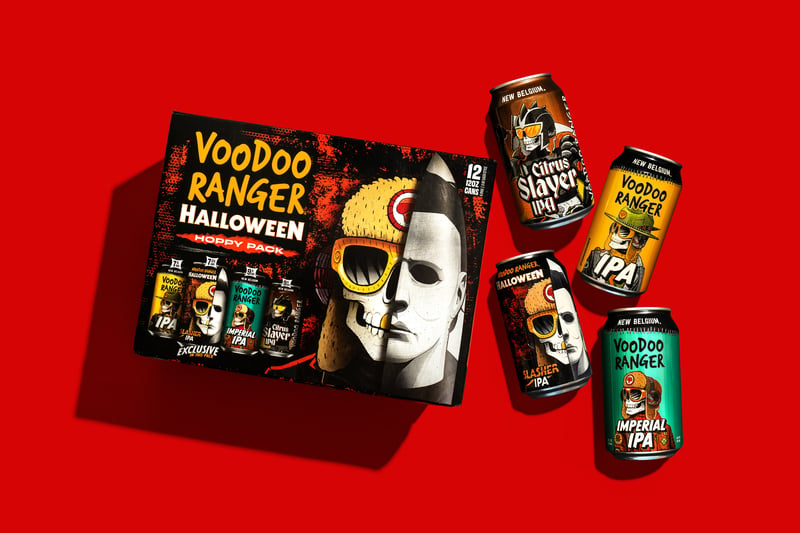
The same concept is reflected in the beer industry with limited seasonal brews and small batches. Some of the bottles are fleeting, and this builds up hype among those who are obsessed with drinking them before they run out. The sense of timing and scarcity is another element that can be used in both spaces and transform the experience of simple consumption into a more purposeful and involving experience. The major driver of the price movement in the field of supply and demand is still the supply and demand. CS2 skin market as the player base continues to expand in 2026. This growth drives significant capital into the ecosystem as competition for a finite number of rare items intensifies.
Market Fundamentals
The core of the skin’s economy relies on the controlled release of new content and the retirement of older collections. This artificial scarcity ensures that historical items retain or increase their value over long periods.
Supply of Discontinued Cases
Cases that no longer drop after matches serve as the backbone of the investment market. As these containers are opened, the remaining supply decreases, making the skins inside more expensive. Consequently, collectors often hold sealed cases for years to capitalize on the diminishing availability.
Player Base Growth
A larger active player base increases the consumption of lower-tier items for trade-up contracts. This activity removes surplus inventory from the market, which stabilizes the baseline prices of common weapons. For example, AK-47 | Slate remains a highly liquid asset due to its constant demand for crafting.
Liquid vs. Niche Items
Asset liquidity varies significantly across different item categories, impacting how quickly a trader can convert their inventory into capital. High-volume items trade almost instantly, while specialised collectables require patience.
Standard Weapon Popularity
Popular rifles and pistols benefit from high turnover, as every gamer requires a minimum set of equipment. Their price difference is minimal; hence, they are less risky to purchase and resell quickly. Prices remain stable because of constant supply and demand. In the seasonal beer world, the same beat is found in core-range brews available everywhere that flow slowly through bars, retailers, and home refrigerators. They are the reliable options that are not based on scarcity or hype but can be demanded at any point since they can be integrated into the daily drinking events. Their consistent circulation holds the prices and availability relatively constant, providing a more reliable point of reference, and more experimental or limited releases, which enter and exit.
Rare Pattern Complexity
Items with randomised texture placements, such as the case-hardened finish for an AK-47, belong to a niche market. These skins require expert appraisal to determine their true value based on the amount of blue or purple present. Specific technical attributes define the desirability of these unique variations:
- The numerical pattern index is assigned during the item creation.
- The specific placement of colours on the visible play-side of the weapon.
- The rarity of the specific seed compared to the total population of that skin.
Steam’s Closed Loop
The official Valve marketplace provides a user-friendly entry point but contains structural flaws that hinder professional financial management. These limitations force serious participants to look for alternative trading hubs.
High Taxation Rates
Every transaction on the official market is subject to a 15% fee that permanently removes value from the economy. This tax makes frequent day trading nearly impossible for those seeking to make a profit. Over time, these fees significantly erode the total equity of a player’s inventory.
Fiat Currency Restrictions
Funds generated from sales are deposited into a digital wallet that cannot be withdrawn to a bank account. This restriction traps wealth within a single platform and prevents the use of funds for external investments. Users are effectively forced to spend their earnings on other digital products within the same storefront.
The Professional Standard
Traders who treat the skins economy as a serious venture rely on DMarket because it operates as a transparent and efficient exchange. This platform provides the necessary tools for real-world financial interaction and professional asset management.
True Free Market Mechanics
DMarket features open order books that allow users to see exactly what others are willing to pay for specific items. This transparency prevents the price manipulation often seen on platforms with hidden data.
Several core features make this ecosystem the preferred choice for high-volume traders:
- Live price tracking across multiple global regions
- Instant buyout options for those requiring immediate liquidity
- Advanced filtering for specific Float Values and pattern seeds
- Lower commission rates that preserve more value for the seller
- Mobile application support for managing trades during live events.
Real Money Withdrawals
The primary advantage of this hub is the ability to cash out digital earnings into fiat currency. Users can transfer their profits to bank cards, bank accounts, or digital wallets without facing the dead end of the Steam ecosystem. This functionality transforms skins from mere digital decorations into versatile financial assets.
Enhanced Security Protocols
Professional marketplaces implement rigorous verification and two-factor authentication to protect user inventories from unauthorised access. The above actions assure the security of high-stakes transactions and accountability of all involved parties. Reliable transaction processing is critical to fostering confidence in the digital economy.
Long-Term Outlook
The evolution of the skins market shows no signs of slowing down as we progress through 2026. Data-driven trading remains the most effective way to grow an inventory while minimising exposure to volatility. Successful participation requires a deep understanding of market cycles and the technical attributes of each skin. Investors who utilise professional platforms can achieve financial goals that are impossible within restricted environments. The future of this digital economy lies in its continued integration with global financial systems.
Similarly, there is increasing recognition of the importance of analytics, distribution, and release within the world of beers, particularly given the rise of craft and speciality beers throughout beer festivals. Those who have a passion for beer and those who collect beer pay more attention to the timing and availability of certain types of beer in their respective areas. This type of approach is more methodical in choosing what kind of beer should be purchased and appreciated.


Comments 0
No Readers' Pick yet.