





The Death of the Dive Bar Arcade, and Why We Want Games Back
 Story by:
Beer Blog
Story by:
Beer Blog
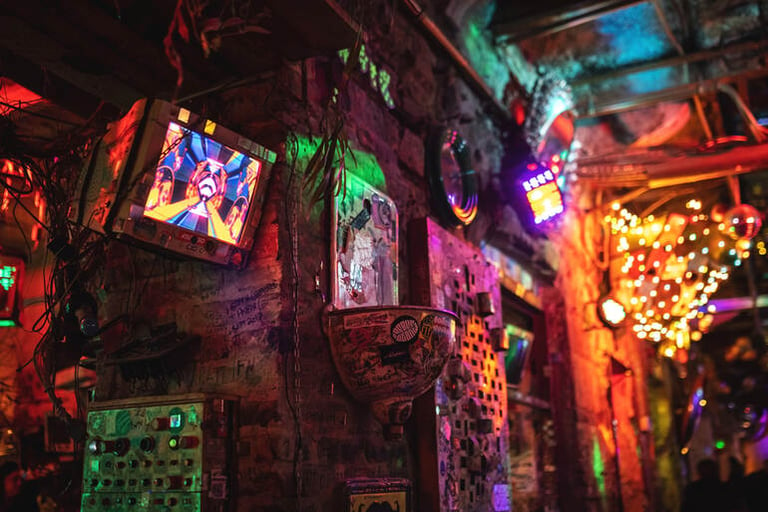
At one time, every respectable dive bar had a corner that lit up. Shattered cabinet, broken backglass on a pinball machine, perhaps a cocktail-table Pac-Man on which a hundred beers have been thrown. It was like the kind of corner you could still discover in neighborhood bars and brewery taprooms, the place a worn-down arcade machine softly grew into the ambiance, luring individuals to perch over yet another pint and a lot more game. They were the pulse of a certain night, and then they were gone, as silent as they were when they came. Until smartphones and shifting consumer preferences took over the dive bar arcade, and then it slowly slipped away. However, there’s a change that’s afoot.
How the Corner Cabinet Went Dark
The demise of the dive bar arcade was not a dramatic affair, but rather a gradual one. The struggling corner cabinet lost its quarters as they were replaced by an infinite arcade in everyone’s pocket, in the form of smartphones. As mobile video games became more accessible and appealing, fewer people saw the need to spend money on machines they didn’t own. One by one, the glowing corners went dark as bar owners realized the games were sitting dusty on the floor, eventually replacing them with extra seating or a TV.
There was some sense in the economic sense, but there was something that was missed out on the trade. It was easier to play in the pocket arcade, but it was also more solitary, private, and endless than the shared, limited ritual of the cabinet. The dive bar arcade didn’t cease to exist because the public has lost its interest in games. It failed due to the availability of a less serious game, and the more “social” and “richer” one quietly escaped while everyone was distracted.
What We Actually Lost
The corner cabinet wasn’t really a thing that was about the game. It was about the little social theater that grew around it, the array of glass-lined rooms with their eyes on you, going around and around to see what you’re doing, the strangers who were in your line of sight, the shared groan when you lost your last life. The machine was a social thing; it was a way to encourage people who don’t know one another to engage with each other, challenge each other, and communicate with each other through a low-risk and entertaining activity. But that’s the true victim of the demise of the dive bar arcade.
Not only were some of our old games gone, but a flavor of a shared public game that phones can’t do. However, the need for fast, fun, social play did not fade away, and a SpinBlitz slots session delivers that same fast, energetic hit in a format that meets you wherever you are. SpinBlitz is a free-to-play social platform specializing in fast, high-energy slots, and its quick rounds echo the pick-up-and-play spirit of the corner machine. What we lost was not the pixels but the gathering, and a growing number of people are realizing how much that gathering mattered.
The Hunger Comes Roaring Back
Here is the twist in the story: the games are coming back, and the appetite driving their return is unmistakable. The whole barcade movement exists because people felt the absence of exactly what the dive bar arcade provided and went looking to recreate it. The craving for tactile, social, in-person play never disappeared; it just needed somewhere to go. That hunger is powering a genuine revival.
Coverage of how the arcade bar concept evolved shows how demand for shared, nostalgic play rebuilt the corner cabinet into a whole business model. People are actively seeking out spaces where games are social again, happy to spend more for the communal experience the dive bar used to offer for a quarter. The death of the old arcade created a void, and the market is racing to fill it because the desire underneath was always there.
Games Meet Us Wherever We Are Now
The revival isn’t just about the physical locations; it’s about the return of fast, fun, social games in all forms. Barcades attract the same excitement as the other games that offer that quick, rewarding, low-pressure rush, wherever the player is. Even casual formats built around a little risk capture the same appeal, offering simple, quick gameplay that turns an ordinary evening into a playful one. This is where the modern craving becomes clear.
People want that fast, playful energy the old cabinets delivered, in formats that fit the way they actually live now. The dive bar cabinet may be rarer, but the appetite it fed lives on in the quick, energetic games people reach for every day, on porches, in bars, and on their phones between the bigger nights out.
Why the Craving Runs So Deep
It’s not all about nostalgia because the desire to bring games back is about that, but it’s not just about that. It’s a response to digital life becoming more and more isolating. People have been fed exclusively on entertainment that involves touch, is instant, and is shared, and the dive bar arcade has become the symbol of everything the never-ending private scroll stole. It’s a more profound desire that’s giving the revival its staying power. Doubled up for pickup, deposit, and poker, reviving a whole subculture. Rhetorics is the movement as a reaction to a social need and not merely a retro craze.
What people want is to stand shoulder to shoulder, to take turns, to experience the instant excitement of play together with someone, a thing screens just don’t offer. As the dive bar arcade had a point of connection in all of that, and it really couldn’t be missed, it was a fundamentally important one that prompted them. The games were not all that they were. It was a fun environment and a comfortable spot to come in with a good beer, some good company, and a little friendly competition to make an ordinary evening something that they wanted to return to.
Bringing the Glowing Corner Back
The demise of the dive bar arcade was short-lived, and for that matter, a temporary loss. The corner cabinet had to move aside for a more convenient substitute, but the harder-to-serve, and equally more tangible and immediate, demand of the table for shared play never left. People are now experiencing the changes and are actively making an effort to make games a part of their nights, either in the barcade or on the quick platform between them. The lesson in all this is that convenience equals satisfaction. It was a concession that was convenient, but everybody was aware of it.
The games we need are not just retro games; they represent a way of being together that was alive, shared, and real. The so-called death of the arcade marked the loss of more than a place to play; it signaled the fading of a social experience people genuinely valued. That spirit is making a return, albeit in familiar and contemporary guises, as the craving for real social encounters has not abated. It’s the same ambiance that has made brewery taprooms and neighborhood beer bars popular gathering spots, where a good pint, a conversation, and a good game make for a long-lasting experience. The corner’s light is again on, and it appears we were not just covering it up, but we were missing it.


Comments 0
No Readers' Pick yet.