




From Taproom Screens to Group Chats: Sport Becomes the Night Out
 Story by:
Beer Blog
Story by:
Beer Blog
The World Cup of 2026 did not put the summer sports season to bed on July 19, but the game did obscure the sport. The 2026 World Cup didn’t keep the summer sports season at bay on its 19th day, but it did drown out the sport. Glasgow 2026 continues until August 2, WAFCON is still on until August 16, Al Ahly will face Barcelona at Barcelona’s Spotify Camp Nou on August 19, and the Premier League gets back on with another round of action two days later. That’s the whole reason why it has become more than just an activity to watch major sports events.
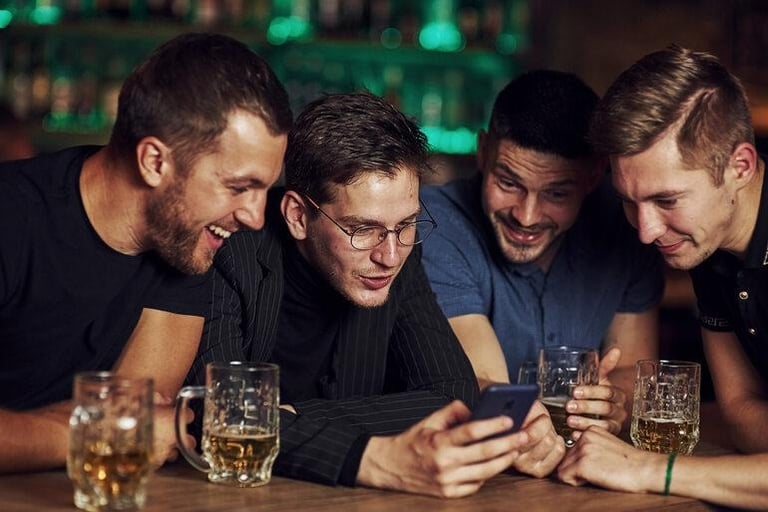
The evening is organized by a live broadcast; friends decide where to hold it, chat circles form and make predictions, and a second screen monitors data that the TV commentary can’t keep up with. In many of those places, there are established traditions: a cold pint when it’s time to sit down at the table, drinks between matches, and drinks after the match. Sport is one of the last formats of leisure where everyone is compelled to look at the same moment at the same time, and where the surrounding ambiance makes this shared moment enjoyable to linger over.
The Calendar Leaves No Dead Week
Late July and August offer four different versions of shared viewing.
| Date | Event | Viewing hook |
| July 23-August 2 | Glasgow 2026 Commonwealth Games | Multi-sport sessions, medal races, and African athletes |
| July 26-August 16 | WAFCON 2026 in Morocco | 16 national teams and World Cup qualification stakes |
| August 19 | Barcelona vs Al Ahly | The first African club invited to the Joan Gamper Trophy |
| August 21 | Premier League opening night | Arsenal host promoted Coventry City |
A final, derby, or qualification match creates a fixed social deadline. People arrange travel, reserve tables, and decline other plans because the result will be known at one specific time.
The Broadcast Starts Before Kickoff
Modern fan viewing culture begins hours before the teams enter the stadium, with group chats already active as lineups trigger arguments about shape, injury news shifts predictions, and clips circulate before the television studio finishes its opening segment. The match continues after the whistle through highlights, tactical breakdowns, and reaction videos.
That extended cycle gives sport an advantage over films or series. One person arrives for the pre-match discussion, another watches only the second half, and a third follows the debate afterward. The result still belongs to all of them.
Why Shared Screens Still Matter
The phone has not killed collective viewing. It has changed what the room does around the main screen.
- Television provides the common picture and crowd sound.
- Mobile apps supply lineups, xG, player maps, and injury alerts.
- Messaging groups turn refereeing decisions into instant conversations.
- Social feeds distribute clips before full-time analysis begins.
- Venue screens keep overlapping events visible.
A packed taproom during a football live broadcast works because the room carries emotion that a private screen cannot reproduce. A missed chance sounds different when twenty people inhale at once.
Mobile Access Has Changed Who Controls the Evening
The viewer no longer depends entirely on a broadcaster’s running order. A mobile sports app can seamlessly take a mobile sports fixture through to team news and live stats, even to a bet slip, without interrupting their match dialog. Fans who download Melbet apk can follow pre-match and in-match markets and make adjustments in the field whilst the match is in progress with ease. It is a good practice to check the odds displayed for the match as it is going, rather than with every attack.
A fixed stake protects the bankroll when live prices move quickly after a goal, red card, or injury. Mobile access adds control, but judgment matters more than speed. Friends don’t have to wait for the pundit to tell them why a favourite is suffering; they consult the shot map, possession areas, and substitutes, and do so for themselves. When the tone is relaxed, it can be more analytical than the audience is used to.
Predictions Have Become Social Currency
Before a major final, people want more than the kickoff time. They want a favorite, a likely score, and one player who could decide the match. Betting markets formalize those arguments by assigning prices to outcomes, while private predictions have fans play their football reading challenge with other fans. Match-winner, totals, and both-teams-to-score markets on Melbet Tanzania can either clarify or confirm an opinion just before or during the game.
The strongest approach separates probability from loyalty: supporting Al Ahly does not automatically make its price attractive against Barcelona. Small, planned stakes keep the prediction connected to analysis rather than emotion. Matches can often have a draw-breaking start or a tempo or target change with player substitutions late in the match. If the market is reflecting a superior possession value than it’s implying, then it will not be such an economical choice for the team with the better possession.
African Teams Own the Late-Summer Watchlist
WAFCON is the clearest example of a sport functioning as both competition and a cultural event. CAF expanded the field to 16 teams, with the final scheduled in Rabat on August 16 and qualification places for the 2027 Women’s World Cup attached to the tournament. Tanzania’s 2-1 opening win over South Africa immediately added weight to its July 31 meeting with Burkina Faso. The player stories are equally strong. Barbra Banda and Racheal Kundananji are the guns on fire representing Zambia, while Winfrida Gerald plays smart in the middle for younger Tanzania, who must defend their title, while Nigeria has the pressure of retaining the champions.
These stories create a reason for a neutral viewer to come back before the knockout bracket is set, and sometimes it influences plans for the playoffs. For a night out built around catching the next match and following how each story unfolds. Al Ahly’s August 19 visit to Barcelona extends the African club story. The Egyptian champions will become the first African side to contest the Joan Gamper Trophy at the reopened Spotify Camp Nou. That fixture carries more curiosity than a routine preseason friendly because it places Africa’s most decorated club in a ceremonial European spotlight.
Venues Can Build Around the Match Clock
Bars and taprooms do not need to imitate a stadium. They need to remove friction from the viewing experience:
- publish exact kickoff times;
- use one main screen with sound;
- reserve secondary screens for overlapping sessions;
- pace food service around halftime and medal breaks;
- provide charging points for second-screen users;
- Protect clear sightlines from standing and seated areas.
The next stretch is fixed: Glasgow closes on August 2, WAFCON reaches its final on August 16, Al Ahly visits Barcelona on August 19, and the Premier League opens on August 21. Live sport keeps its place in leisure culture because the result arrives once, in public, with no pause button. That immediacy shapes how people gather for it. Plans settle around kickoff times, familiar spots fill early, and the atmosphere builds long before the first whistle, often extending into spaces like a new taproom that draws a crowd looking for both the match and the mood around it.
In those moments, small details start to matter: the choice of where to sit, the rhythm of conversation between plays, and the simple presence of a well-poured beer that stays within reach as the match unfolds. The drink does not lead the experience, but it becomes part of the setting, giving the occasion a steady, social pace that carries through every key moment.


Comments 0
No Readers' Pick yet.