






Snow Capped Cider review: Elevation Series Gravenstein, Reserve Series Harrison, Sparkling Rose
Terroir, long central to wine, is gaining recognition in craft beverages like cider. Soil, climate, and elevation all shape an apple’s flavor, influencing the final drink. From major cider regions to small producers, these environmental factors are key. Colorado’s Snow Capped Cider highlights this with apples grown above 6,000 feet, where high elevation adds distinct character.
 Story by:
Ruvani de Silva
Story by:
Ruvani de Silva
The importance of terroir, beyond its established role in the wine industry, is becoming increasingly well understood by consumers of everything from craft tequila to craft water, and lovers of craft cider will know that, in this small yet dedicated industry, terroir is crucial. From America’s most prominent cider-making regions to small hyperlocal producers, the characteristics of the soil and climate where cider apples are grown are established as playing a significant role in a cider’s drinking profile. Be it sun exposure, minerality, rainfall levels, or underground temperature, the effects of a region’s climactic characteristics on its apples are tasteable. Enter Colorado’s Snow Capped Cider, whose single estate ciders come from apples grown at over 6,000 feet – among the highest elevations for cider apples in the northern hemisphere.
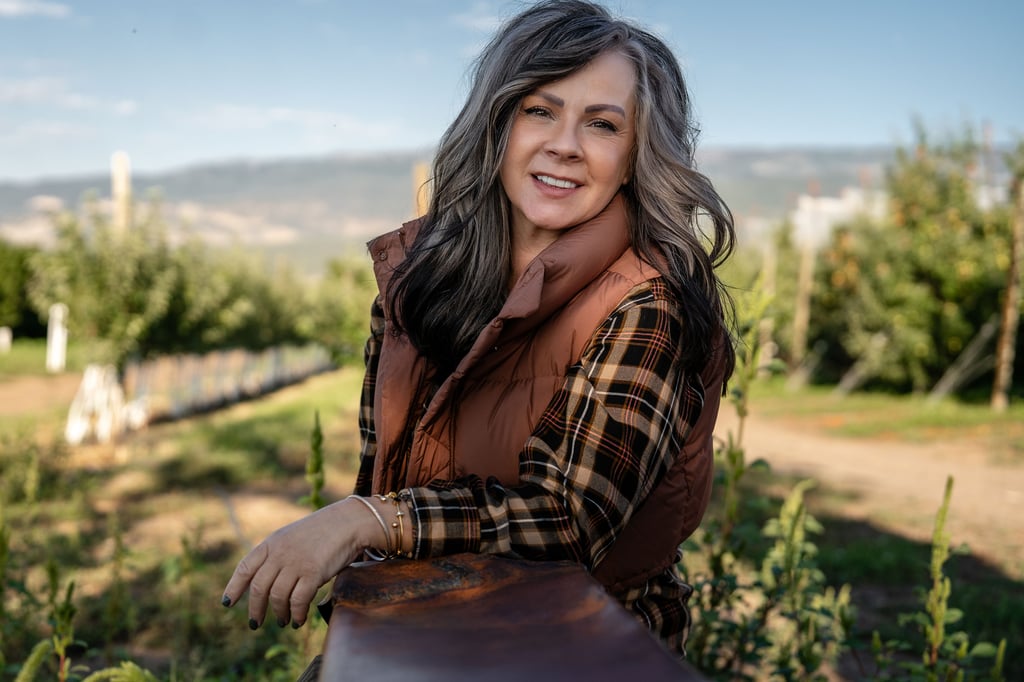
Multi-award-winning producer Kari Williams is the driving force behind Snow Capped. A fifth-generation apple farmer, she began experimenting with cidermaking almost 15 years ago, starting with her farm’s heirloom fruits and expanding her range to include many international historic varieties, including classic cider apples such as Dabinett, Kingston Black, Porter’s Perfection and Golden Russet, all grown high on Colorado’s Western Slope at the base of Grand Mesa, the largest flat top mountain in the world.
So, why so high? Williams explains that stress creates flavor, with extreme weather forcing the trees to produce more sugar and acid. “At our elevation, with the intense sun, cool nights, and growing season, certain apples develop incredible complexity. Those ciders give people a chance to understand apples the same way people talk about wine grapes; each one has its own voice,” she says. But what does that mean for drinkers? Examples from their Elevation, single-varietal Reserve, and sparkling offerings provide some insight.
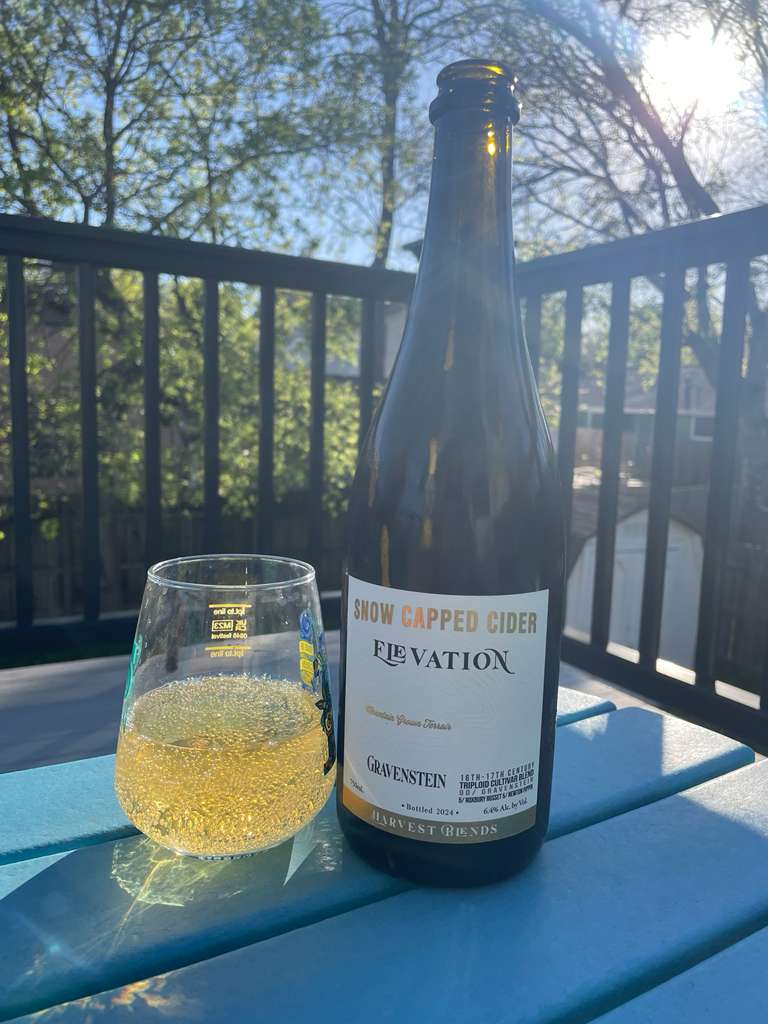
Snow Capped’s 2024 Elevation Gravenstein is a triploid blend of 90 percent Gravenstein, 5 percent Roxbury Russet, and 5 percent Newtown Pippin, bringing together three highly regarded heirloom cider apples, each with its own fun slice of apple history and a big personality. Williams describes her blending process as “The goal [when blending] is to let each variety contribute what it naturally does best and build something that feels both intentional and expressive of where it was grown.”
Prized for its balanced acid-honey flavors, Gravenstein’s center stage is buoyed by sweeter, richer Newton Pippin and Roxbury Russet, whose lightly tropical qualities combine into a bold aroma of tender, freshly bitten, succulent apple flesh with notes of thick, chewy toffee, evoking a toffee-apple quality. Intense carbonation enhances the aroma and flavor, with Rocky Mountain spring water adding a fresh minerality. The whole picture is a sweet yet ultra-fresh and complex cider with rich Maillard notes that develop as it breathes, and it holds a long finish. This cider really shows off that elevation-intensity, plus some very clever blending to enhance rather than complicate Gravenstein’s presence as the main event. This meets William’s assertion that “I’m always trying to make sure the final cider feels clean, balanced, and true to both the apple and our high-elevation Colorado terroir”.
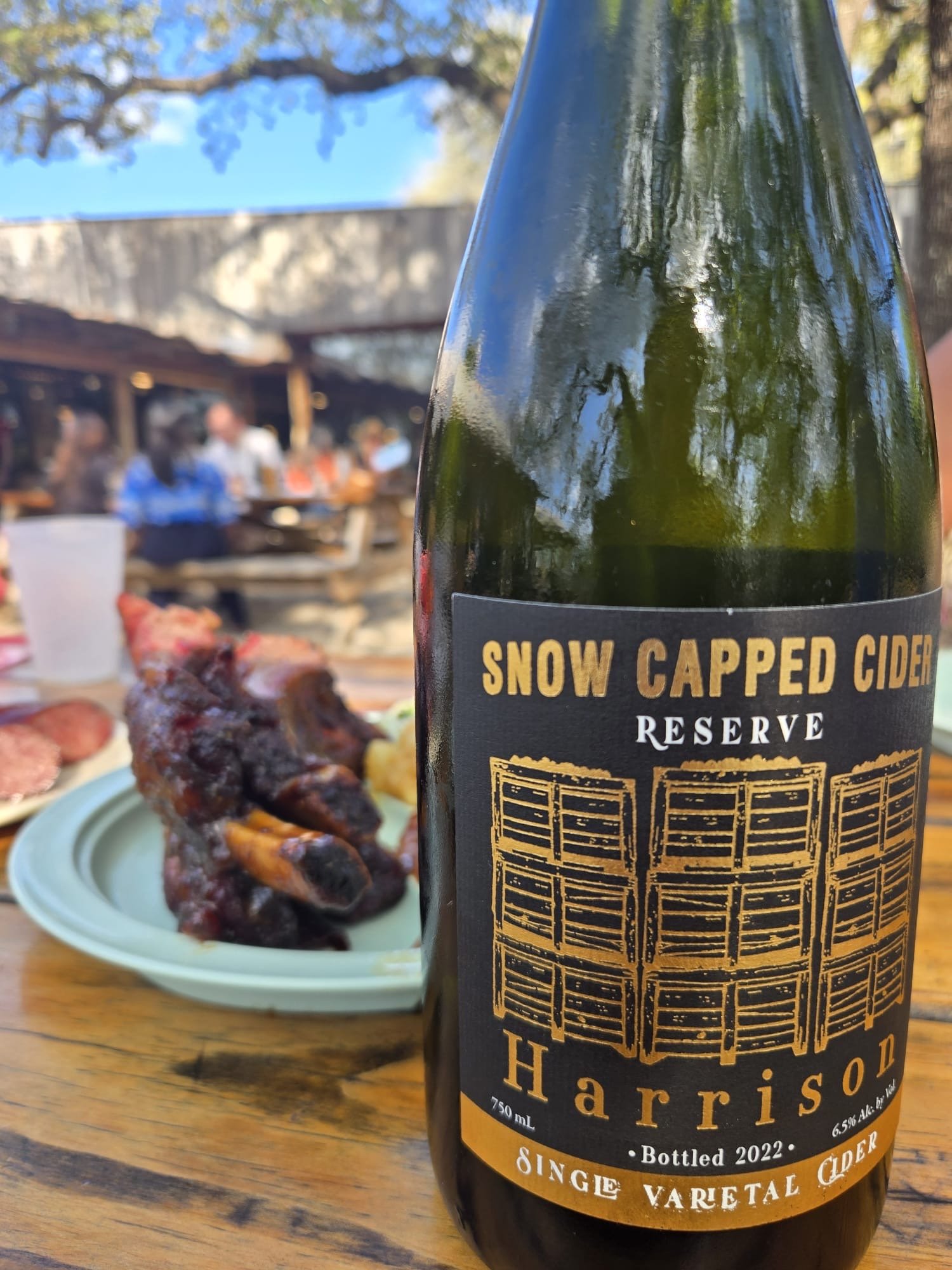
The Reserve single varietal Harrison is William’s rendition of this back-from-the-dead heirloom classic. “Single varietal ciders also give me a chance to tell the consumer a story, the history of specific apples, how they relate to cider, and why those varieties matter,” she says. “They’re also incredibly rewarding as a cidermaker because they require precision. You’re not relying on blending to round things out, so the challenge is to capture the best, most complete version of that one fruit. When it works, it’s one of the purest ways to experience cider.”
Her Harrison is sweeter than many of its counterparts, popping with 6,000-foot high-octane juiciness, which slightly mutes some of Harrison’s more subtle qualities, such as tartness and smoke, but nonetheless offers an impressive expression. A light, astringent, tannic tang and large, excitable bubbles prevent oversugaring, and its fresh, bright zing makes it an excellent foil for rich umami dishes such as barbecued meat. Both aroma and flavor pleasantly hold their notes as it warms.
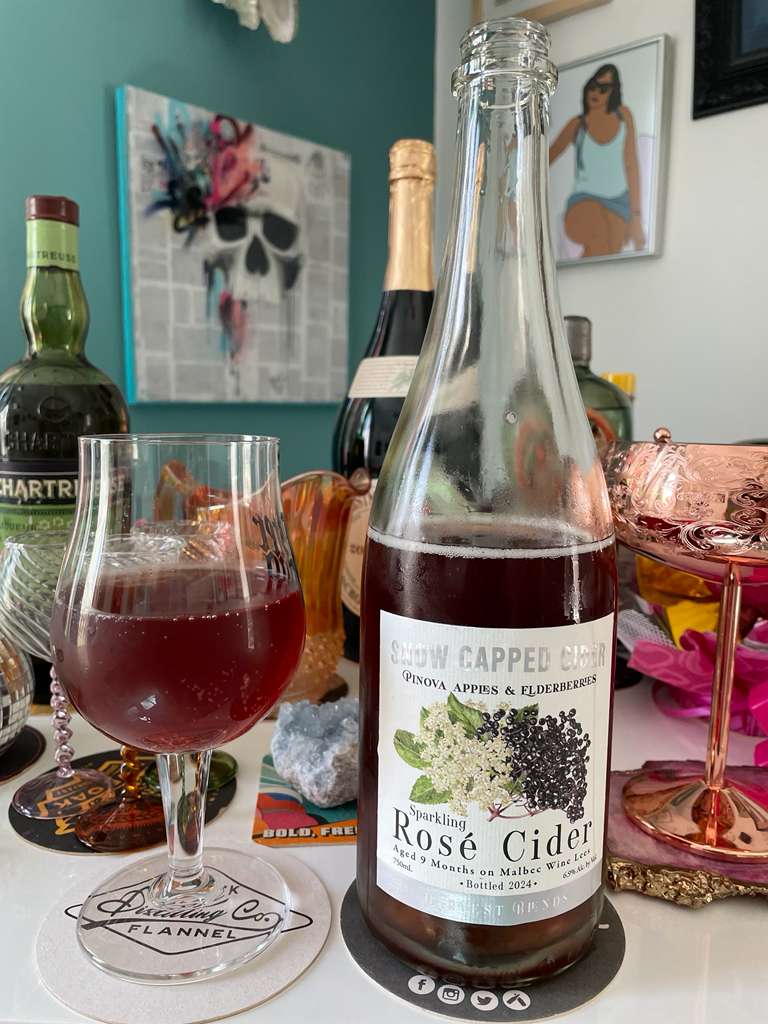
Snow Capped’s Sparkling Rose is made with single-varietal Pinot Noir apples and is aged on Malbec wine lees with dried elderberries for 9 months in oak. It offers a lightly musty nose from the Malbec grape skins, with an undercurrent of sweetness from the Pinova. Its gentle tartness combines with firm tannic elderberry for a balanced vinous elegance that makes it an easy swap for a mealtime wine. This is a lovely dry sipping cider that would pair well with a sweet, meaty fish such as trout or a Chinese sweet chili dish. Its deep, opaque rose color adds to its classy appeal and tingling effervescence prevents it from being too heavy.
Snow Capped’s accomplishment in scooping a huge array of awards for both their blends and single varietals, including all three described above, clearly demonstrates that the elevation terroir profiles that Williams is cultivating are going down a storm in the cider community. With an extensive range of both bottled and canned ciders plus a growing number of hybrids and wines, Snow Capped is proving as ambitious as they are successful, with offerings for every kind of cider drinker. For environmentally minded consumers, Snow Capped’s single-estate, no-waste production is an additional draw, affirming its focus on authenticity and traceability. “I was really drawn to the idea of making cider in a clean, honest way, without additives, and letting the fruit and the land speak for themselves,” says Williams.
As craft cider continues to grow in breadth and complexity and its market expands in quantity and sophistication, Snow Capped’s creative and broad-reaching high-quality offerings are a hyperlocal treat to look out for.

NB of the three ciders profiled above, only the Reserve Harrison is currently available outside the Snow Capped taproom. Samples provided by Snow Capped Cider, opinions writer’s own.
Comments 0
No Readers' Pick yet.