




Could Your Favorite Cocktail Be Hiding More Calories Than You Think?
 Story by:
Beverages Blog
Cocktails are synonymous with parties, holidays, and nights out. With their pretty appearance and sweet flavours, they can make them seem like a relatively harmless indulgence. But if the ingredients and size of the cocktail are large enough, your cocktail could actually have a lot more calories than you think. If you like to try out new beverages like craft beer, the number of calories in a variety of beverages can make for a thorough primer on how many calories there are in each of them, since alcohol content, drink size, and added sugars all contribute to the nutritional value of a beverage.
Alcohol has calories, and mixers like fruit juice, fizzy drinks, syrups, and cream can provide a lot of sugar and energy to the drink. If you have noticed that your physical appearance and relationship with alcohol have changed,,d it might be helpful to understand what is in your glass to make informed decisions about how to drink alcohol. It’s something that is becoming more prominent in society, and it doesn’t discriminate either, even if you’re a lager drinker or a cocktail drinker.
Alcohol Contains Calories
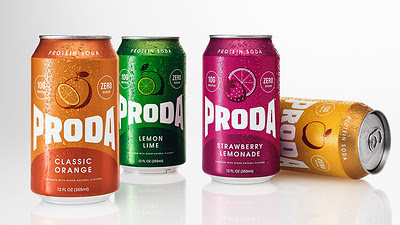
One reason alcoholic drinks can add significantly to your daily calorie intake is that alcohol provides around seven calories/gram, compared with approximately four calories/gram from carbohydrates and protein. Even alternatives such as protein soda can have varying calorie counts depending on their ingredients, so compare the nutritional labels when evaluating beverages.
There are a variety of calorie differences between the strength and size of a drink can. Any size increase or larger alcoholic content drink will normally be higher in calories.
As with food, alcohol too can be taken and make one feel a little really full, so he or she does not actually consider the amount of calories actually taken.
Mixers Can Add More Than You Expect
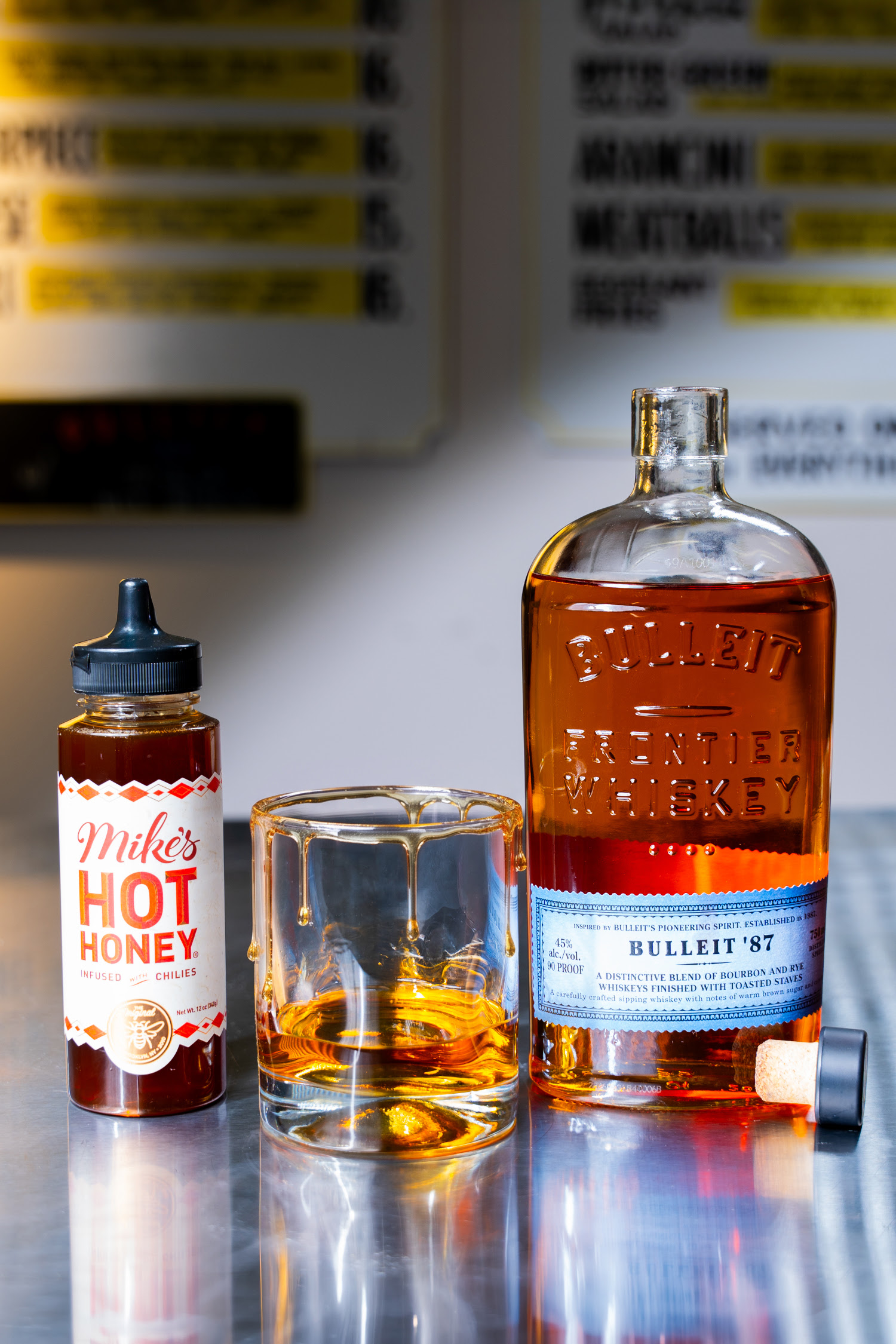
Alcohol is only one part of the calorie equation when it comes to cocktails. Mixers and extra ingredients can significantly raise the calorie content, so it’s worth checking what goes into each drink in your cocktail collection.
Fruit juices, lemonade, tonic water, cola, and flavoured syrups can all contain added or naturally occurring sugars. Cream, coconut cream and other rich ingredients can add even more calories.
A cocktail that tastes light and refreshing may therefore contain considerably more energy than its appearance suggests.
Popular Cocktails Can Be Surprisingly Calorie-Dense
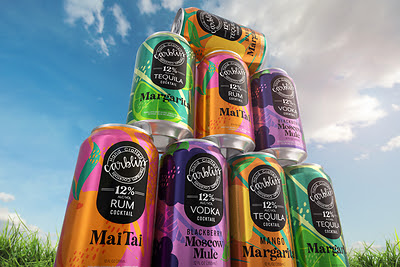
Some classic cocktails combine several calorie-containing ingredients. Fruit, syrups, liqueurs, and coconut-based ingredients, for instance, may be used in tropical drinks, and cream may be used in cream-based cocktails.
Cocktails can be fairly easy to make, but have a great amount of liquor. Multiple-purpose drinks can be more potent than a glass of wine or beer, although they are served in one.
This is also about the size of the portions. Alcoholic beverages can be amplified in the size of cocktails made in cocktail glasses, and there may be different amounts of alcohol and mixers available at different venues.
Why Calories Are Not the Only Consideration
It can be tempting to focus only on alcohol’s calorie content when managing your weight, but taking a moment to rethink your drink means looking beyond calories to consider the broader effects of alcohol on your health and wellbeing.
Alcohol may affect sleep, mood, and decision-making. It may also make it easier to choose high-calorie foods or snack more than you normally would.
For some people, focusing exclusively on calories can also overlook a more important question: how much are you drinking, and why?
Making More Informed Choices
Knowing what’s in your cocktail can help you make an educated choice and avoid hidden calories if you decide to have one. Know the size, portion and types of beverages you are drinking, including those that contain more sugar, to limit any additional calories.
But you should keep in mind that there is no need to drink alcohol in general. If you have concerns about your relationship with alcohol, try going for a non-alcoholic cocktail or soft drink; this can be as easy as possible.
Consider the Bigger Picture
It’s hardly a foregone conclusion that your health or weight will be based on an occasional cocktail. Much more important than their total diet plus their activities is their lifestyle, drinking, and diet. But the calories are likely to be piling on if you’re drinking booze regularly, particularly cocktails.
Don’t pick on any one cocktail or on any specific number of calories – view your drinking habits overall. If you feel you’re drinking too much, drinking to deal with stress, or if you are having trouble controlling your drinking, you may need to consult with a GP or qualified counselor at an affordable alcohol rehab centre.


Comments 0
No Readers' Pick yet.