





3 Secrets to Maximizing Flavor and Taste When Cooking With Beer
 Story by:
Beer Blog
Story by:
Beer Blog
Now that winter is here, let’s bring out the soothing, cozy recipes. We will need them to keep us hale in the demanding season ahead. If the thought of holiday camaraderie and gift exchanges is getting you worked up, you have all the more reason to infuse your meals with that extra kick. That earthiness of beer.
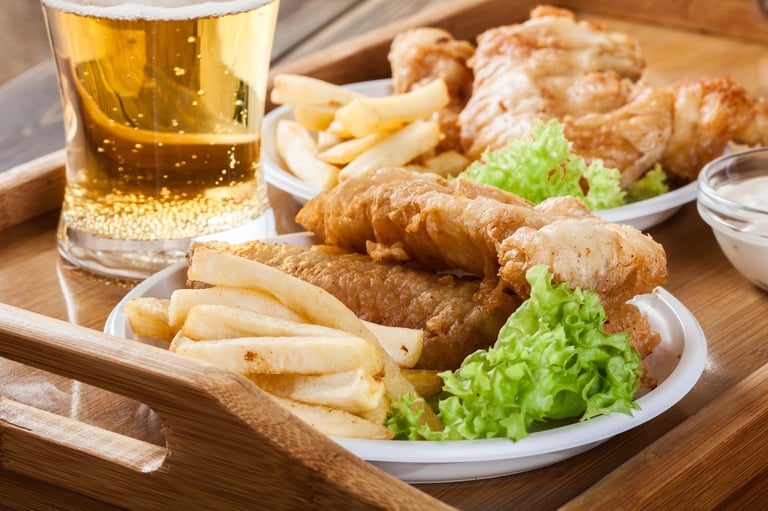
Pot roasts to corned beef, wings to beer-battered fish and chips, the possibilities with boozy brews are endless. Many chefs have traditionally used beer for deglazing and braising. And sipping as the food cooks. But what makes the difference between just pouring it into the pot and producing tantalizing meals? Here are three secrets to beer-based cooking that will give your culinary prowess a high, no pun intended.
1. Use Beer for The Right Reasons
Wait, what?
If you haven’t cooked with beer before, you may think of the notion as unnecessarily wild. Surely, wine or sake is the ideal choice for cooking special meals?
Well, beer can also be a terrific ingredient if you only assign it to the appropriate tasks in the kitchen. The primary reason you’d want to try beer in recipes is to achieve earthy, acidic notes. This flavor profile is what makes it work for meats, seafood, and even some pasta sauces.
Besides using it as a fluid/stock complement, you can also use beer at the marinating stage. The flavor of beer has complex roots, often resulting from a dynamic interaction between chemical compounds in hops, yeast, and barley. It also has enzymes that keep meat tender during the cooking process. However, avoid marinating for too long. Doing that can break down the protein structures, leaving you with mushy meat. Eww.
2. Pressure Cooking With Beer: Yay or Nay?
Many people probably enjoy cooking, at least in some capacity. But it can be tricky to find the time for everything we’d like to experiment with in the kitchen. The willingness to explore also suffers when things become a chore.
Some of us now rely on time-saving equipment, such as pressure cookers. Or Instant Pots. But there’s no reason not to go fancy just because you’re in a hurry. For the most part, you may choose these cooking aids with beer. They won’t damage the flavor you seek in the dish. They also reduce cooking time by a mile.
Consider simmering the liquid for a while to allow the alcohol content to evaporate. Then put on the pressure cooker lid. This hack will reduce the net alcohol that remains in the sauce. It will also prevent the taste from getting too strong or bitter.
We advise checking that the pressure regulator and digital indicator are in order; a quick consultation with a professional can help you there. It may seem like overkill, but problems with the wiring or gasket are not uncommon with such devices. Pressure cooker explosion incidents have even prompted some users to take legal action for their burns. According to TorHoerman Law, it comes down to responsibility at the manufacturer’s end, who must provide proper instructions for usage. But it is an imperfect world, and caution is mandatory.
3. Stronger is Not Always Better
Neither is lighter, for that matter. The secret lies in picking the appropriate beer for the recipe and your taste preferences. The usual advice is to maintain a safe distance from fruity beers or ales. They may be perfect drinking mates, but they often have high bitterness. They can be too overpowering, diffusing the authentic flavors you don’t want to lose. You can pick beers according to the type of meat, much like you would while selecting a drink. For example, beef may work well with a stronger choice such as stout. On the other hand, chicken can pair nicely with a lager or even something sweeter.
Another driving force behind the beer selection may be the preferences of the guests you’re serving. Some may like their booze strong and flavorful, while others may object to a day-old orange juice. Developing clarity about the alcohol content that remains in the dish will help you make decisions fast.
Even in restaurants that use alcohol in some recipes, such as the famous penne alla vodka, servers are generally equipped to answer related queries. Social media has seen more than enough heated debates about the safety of serving alcohol-based sauces to youngsters and how vanilla extract is also boozy. Yes, most of the alcohol is likely to evaporate while you’re cooking. However, it will depend on the mode (for instance, boiling versus steaming). For how long did you let it simmer? When feeding other people, it’s safest to err on the side of caution.
Now that you know of beer’s capabilities in the kitchen, you know just what to do with leftovers. Those half-finished cans after a party don’t need to be dumped when you can use the liquid goodness to achieve a richer flavor profile for your holiday foods. The gastronomic possibilities of beer are good enough reason to explore the new brewery you encounter. Mix and match tastes and experiment with brands you’ve never tried before. View the beverage in a whole new light.


Comments 0
No Readers' Pick yet.