



Filipino Drinking Culture: Popular Alcoholic Drinks and Pulutan Traditions
 Story by:
Beer Blog
Story by:
Beer Blog
The Filipino drinking culture, otherwise known as inuman (derived from the word inom, which means to drink), is not so much about the drink. It has something to do with people uniting.
Bars and other establishments in town or the country, or both, or on the islands, drinking parties are bringing in friends, colleagues, relatives, and even strangers who, by the third round, begin to seem like old friends. To have the slightest idea of what Filipino drinking is all about, you must consider the food, the stories, and the little rituals that define these nights.
The Heart Of Inuman Culture
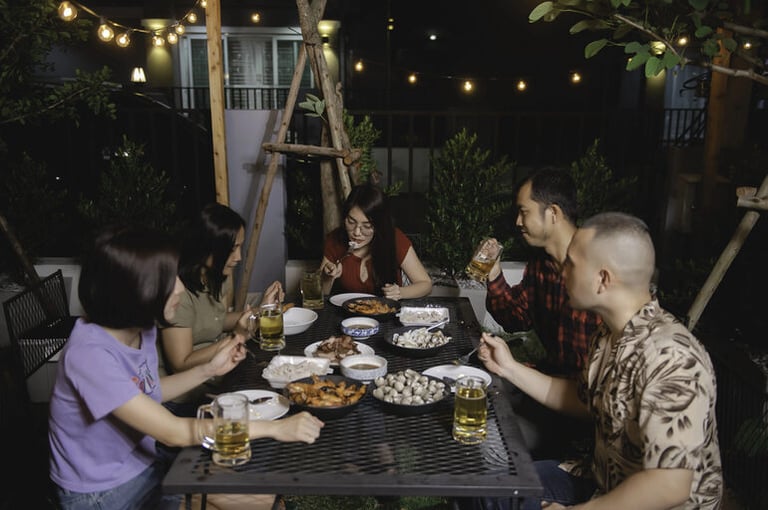
In the Philippines, drinking is hardly an individual thing. Inuman is normally held in parties, in a local sari sari store, a roadside restaurant, a karaoke bar, or the living room of somebody using plastic chairs and a borrowed electric fan. This is focused on sama-sama, togetherness. Bottles are held, glasses passed on, and discussions go deep into the night.
There is also the code of etiquette that is unspoken. Nobody can drink without someone giving a toast to them, and no food is served. The phrase “may pulutan ba?” is equally important as may alak ba. The drinking session is not complete without food and is somehow disrespectful. The Alcoholic beverages that are commonly used in the Philippines.
Most Common Alcoholic Drinks In The Philippines
In the Philippines, beer isn’t just a drink; it’s a staple of social life, bringing people together from city streets to festive gatherings.
Beer
Beer runs the show. It’s cheap, light beer is widely available everywhere, so it’s the go-to for a casual night out. Beer is easy to split and goes with almost anything on the food table, making it perfect for those hours-long hangouts.
Gin
Then gin follows, and it has a name as the drink of the people. It is inexpensive and hearty, and can be used in combination with pretty much any ingredients- calamansi, soda, packets of powdered juices, whatever you have to hand. Gin nights are loud, a bit wild, and, at times, a bit too deep, the kind of night where doubtful choices result in huge, philosophical conversations.
Rum
Rum, particularly local rum, appears in the celebrations or just when an individual wants to relax. Rum is a favorite in the coastal towns, and it is usually mixed with cola or fruit juice.
It is somehow nostalgic; people begin to exchange reminiscences, look backward, and laugh at the memory.
Tanduay And Other Local Spirits
We shall discuss Tanduay and the other local spirits. Not only do you get buzzed by these drinks, but they are also associated with tradition, and everyone is welcome. It does not require an expensive one that you can buy abroad to have a good time.
Pulutan: The Soul Of Inuman Culture
Pulutan isn’t just a snack. It’s the glue that holds a Filipino drinking session together. Every bite is meant to go hand in hand with a cold drink, and honestly, the food sometimes steals the show. They’re usually finger-sized, bite-sized foods that you “pulot” or pick up, although some qualify as main courses paired with rice.
Grilled And Fried Favorites
Pulutan includes barbecue skewers, grilled pork ears, fried chicken, and crispy pork belly. These are savory and fatty dishes that are ideal for complementing alcohol. They are simple to share and made to be consumed gradually while taking a drink.
Seafood Pulutan
Wherever you are near the seashore, you will see dishes of dried fish, squid, and shrimp being cooked before your eyes on the table. The smoky, salty tastes are complementary to a Mexican beer or a shot of something harder. You have a vinegar dip around, usually to the right balance, to keep you coming back.
Street Food Classics
When you have ever attended a side event, you have likely encountered isaw (grilled chicken or pork intestines), betamax (so-called grilled pork blood), and any other type of street food. The snacks transform every ordinary item into something that everyone desires. They are inexpensive, delicious, and good to share–Filipino ingenuity.
Sisig: The Ultimate Pulutan
It is impossible to discuss pulutan without sisig. It is also served on a hot plate, occasionally with an egg on it, and is good, tangy, and a trifle dangerous. You can’t stop eating it. In an actual inhuman occurrence, sisig is most likely in the middle of it all.
Drinking Games And Social Rituals
It is not just what you have in your glass, but Filipino drinking. It is games, wild dares, and those kinds of inside jokes that become funnier the later the night goes. It is only being there together where laughing, joking around, and creating a mess are best. Everybody gets pulled in, even if it’s their first time joining. You’ll catch a card game breaking out, maybe some goofy contests. It’s a lot like playing Pusoy Go, honestly. It’s a mix of luck, strategy, and friends just having a good time. These days, inhumanity isn’t just happening in someone’s house or out on the street.
Digital Influence On Modern Human Culture
Inuman is no longer a cramped living room or street corner anymore. Nowadays, friends simply get a drink, jump into a group chat, and spend hours laughing at each other on video calls, even though they are not anywhere close to one another. Bars and restaurants have risen to the occasion as they are launching creative menus of pulutan and wild drinks. The still by Inuman saying that you should be with the right people you care about, not just drinking shots.
Why Inuman Remains Important
Deep down in the middle of it, Filipino drinking culture is all about bonding. Inuman gives people a break. It allows sharing stories, complaining about life, and, in fact, hearing each other. That is when everybody becomes relaxed and true friendships begin to develop. The pulutan and the drinks are a mere pretext. The drinks and pulutan simply assist in setting the stage.
Through these sessions, you get an opportunity to rest as the world is going too fast. The conversation gets lazy, and individuals are relaxed, and the laughing goes on. It does not change in a small town or a metropolis as it gives people all they need, which is a sense of belonging, sharing, and deceleration.


Terrible grammar. Is this AI?