







Is Beef Jerky Healthy? (High Protein & Cholesterol, Low Fat)
 Story by:
Editorial Dept.
Story by:
Editorial Dept.
Many people wonder, is beef jerky healthy? This long-loved snack earns a place in your bag because it delivers concentrated nutrition in a small bite. Health depends on the cut, the portion, and the sugar and salt on the label. At its best, jerky is a low-moisture, protein-rich snack with minimal carbohydrates and useful minerals and B vitamins. It is a popular snack for many Americans because it travels well and satisfies hunger quickly.
Most options are naturally gluten-free, though some marinades add gluten, so read the ingredients. Diabetics should choose no-sugar or low-sugar recipes to keep carbs steady. Keep an eye on your jerky consumption as sodium can add up swiftly. If you want this much protein without cooking, pair a small serving with fruit or vegetables to round out the plate. This guide is grouped by theme and includes examples and practical tips.
Ready to start taste-testing and discover your favorite jerky flavors? Jerky Brands is a great online option to find top jerky options across beef, turkey, chicken, bacon, fish, vegan, and even biltong varieties, all in one place.
The Basics: What Is Beef Jerky?
Jerky is thin meat that has been salted and dried in such a way that it can be retained without refrigeration. Humans have been making jerky for centuries using the sun, wind, smoke, and patience. Currently, the majority of jerky begins with fresh meat, which has been trimmed and dried in a controlled heat and air environment.
Conventional jerky involves whole-muscle beef that is sliced, marinated with salt, spices, and dried. Ground beef sticks with binders are also sold in chop and formed form on the modern shelf. Whole-muscle styles tend to have a cleaner ingredient list and a leaner profile per ounce, particularly with a lean cut of beef starting with. Sticks are more convenient and less harmful, but they are usually more fatty and salty.
Is homemade beef jerky healthy? Yes, provided that you marinate it and cook the meat to a safe internal temperature prior to drying. Use lean roasts, weigh the salt, and omit added sugar. That can assist individuals who have hypertension or intend to reduce the level of heart disease by regulating sodium intake. To make the snack complete, serve in small portions with vegetables or whole grains.
Nutritional Profile Of Beef Jerky
A core reason people ask, “Is beef jerky a healthy source of protein?” is its density. A single ounce commonly delivers around 9 to 12 grams of protein with very few carbs. That is a tight macro package for travel, hikes, and long afternoons. If you are tracking macros, it is one of the easiest ways to bump protein without dragging in bread or sugar.
Jerky made from lean whole muscle tends to be lower in fat and sits in the 70 – 100 calories per ounce range. Jerky sticks and “sweet and hot” flavors usually push higher. Plain jerky is low-carb. Teriyaki, honey, and sweet barbecue versions add sugar; if you eat low carb or keto, scan the nutrition facts for “total sugar” and “added sugar.”
Protein Benefits Of Beef Jerky
Protein slows digestion and tames hunger. This is why one of the questions that comes up regarding this snack is: ” is beef jerky healthy for weight loss?” It will curb a spiking blood sugar without increasing it too much, which is especially true when it is combined with fiber. Jerky does not constitute a magic muscle food, however, though it is an easy method of maintaining a stable level of protein between meals. Once trained, serve jerky with water and a banana or a small number of nuts. You get protein to repair and a balance of either carbs or healthy fats.
For people who rely on convenient, fast-acting supplements while traveling or training, options like 7OH Shots are often paired with high-protein snacks such as jerky to support energy and appetite control without the need for refrigeration.
Sodium And Cholesterol: The Downsides
Many products contain 400 – 600 mg of sodium per ounce. Two ounces may consume your budget in case your daily limit is about 1,500 – 2,300 milligrams. That is the clearest answer to “how healthy is beef jerky” and “is it healthy to eat beef jerky” every day. Ultimately, it depends on your salt intake elsewhere.
Jerky is a processed red meat. Consume it frequently, and sodium and preservatives do not go well together in terms of blood pressure and cardiac longevity. Eating a lot of it means you must continue with small portions and moderate frequency. If you are managing LDL, choose leaner jerky and keep an eye on saturated fat across the rest of your day.
Health Considerations for Different People
Plain beef jerky is low in carbs, but sweet glazes can add a lot of sugar. If you’re diabetic, stick to small portions, choose sugar-free flavors, and keep an eye on sodium levels.
Many doctors recommend that pregnant women avoid beef jerky and opt for freshly cooked proteins instead. Also, jerky isn’t good for dogs—it’s often too salty and may contain harmful ingredients like onion or garlic powder.
Health Check: Brand-Specific Jerky
Flavor formulas change, so always read the exact package. Here is how to think about popular options readers ask about most:
Is Jack Link’s beef jerky healthy?
Jack Link’s brands are widely available and the quality of their jerky is consistent. The “Original” flavor offers a solid dose of protein, but with it brings noticeable amounts of sugar and sodium. Jack Link’s is good for a road trip in a single ounce. It’s not your best choice as a daily snack.
Is Chomps’ beef jerky healthy?
These are sticks marketed as paleo and no-sugar. They are convenient, protein-dense, and usually cleaner on the ingredient list. Sodium content is still high in these, so treat them like a tool, not a meal.
Is Archer or Country Archer beef jerky healthy?
The brand leans on organic and “natural” claims. Read beyond the front label. Protein is fine, sugar is often moderate, and sodium still matters. The organic badge does not cancel out this jerky’s salt content.
Aim for high protein per ounce, near-zero sugar, and the lowest sodium you can find. Whole-muscle “original” or “peppered” usually beats sweet glazes and soft sticks.
Homemade, Dry, and Alternative Jerky Styles
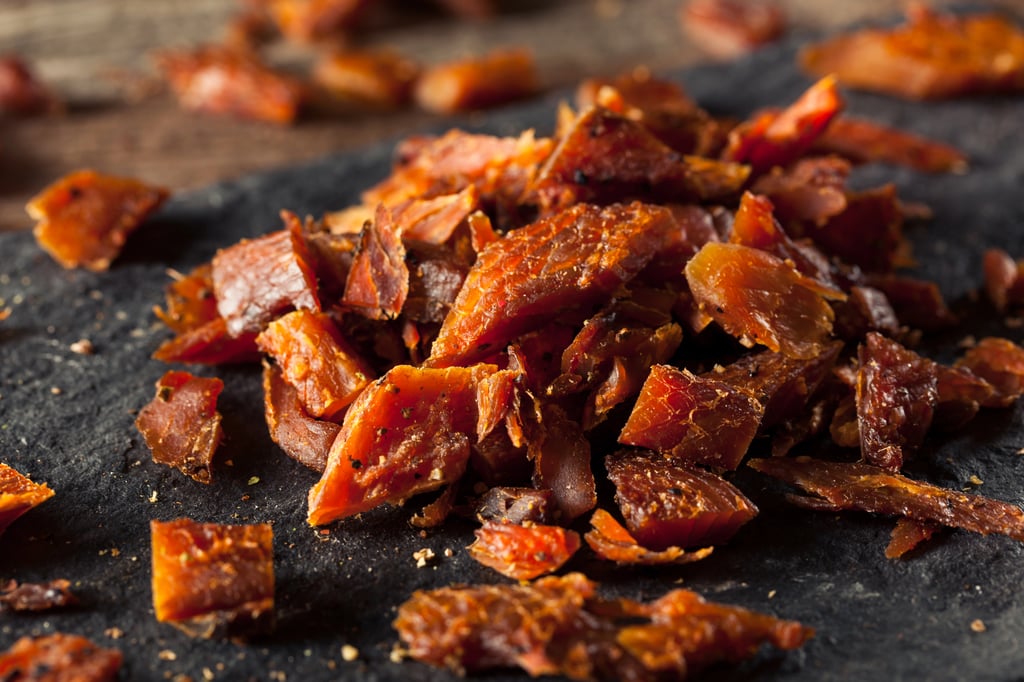
Is homemade beef jerky healthy?
Yes, when you take control. Use top or eye of round, trim visible fat, and keep the marinade simple. Salt, black pepper, garlic, a splash of vinegar, maybe a touch of smoked paprika. Heat the meat to a safe temperature before drying. Dry until pliable, not wet. You get clean protein without the mystery.
Is dry beef jerky healthy?
Dry, firm, whole-muscle strips tend to be leaner than soft, fatty sticks. If your priority is protein with minimal extras, choose dry, thin strips.
Turkey jerky reduces fat further. Salmon jerky brings omega-3s but can be just as salty. Vegan jerky can be soy- or mushroom-based. These can work if sodium is reasonable and textures suit you.
Comparisons To Other Snacks
Is beef jerky healthier than chips?
For protein and satiety, yes. Chips deliver mostly refined carbs and fat with minimal protein. Jerky delivers meaningful protein with far fewer carbs. Protein bars can be either great or cloyingly sweet candy with little nutritional value. Many carry added sugar or sugar alcohols that bother some people. A simple jerky plus fruit or nuts often beats a bar for ingredient clarity.
Deli meats are also processed and usually salty. If your choice is a few slices of ham or an ounce of jerky, the decision comes down to taste and how the rest of your day looks. Either way, keep portions small and vary your protein sources.
When Jerky Can Be A Healthy Snack Choice
One ounce is a serving. Respect that serving size. Jerky should be avoided on a day that you are already having salty foods. An ounce is sufficient in case you require protein and you have space in your sodium budget. Combine fiber and potassium intake with jerky to help make it a healthy snack. Eat with an apple, cucumber slices, cherry tomatoes, or a small amount of unsalted nuts. This dilutes the salt shock and leaves you satisfied.
Jerky is a great idea on road trips, flights, hikes, long days at work, and even after a workout when there is no fridge. It also comes in handy when you desire something to chew on, but in reality, it suppresses appetite and does not flaunt its ability to .
Jerky, Beer And Food Culture
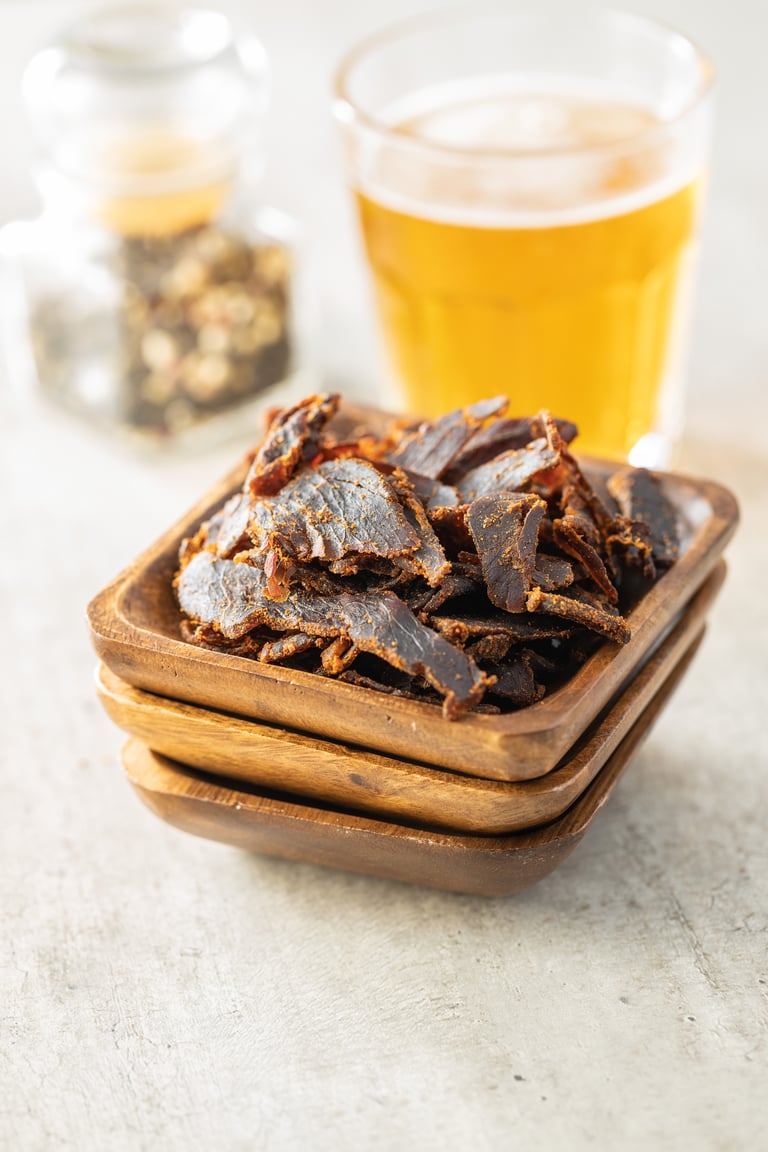
Jerky and beer pair naturally through shared notes of smoke, spice, and subtle sweetness. Ørkenoy Grodziskie smoked beer’s oak, smoke, and light malt complement the pepper and umami of dry jerky. For specific matches, use The Beer Connoisseur’s Jerky + Beer Pairings to map jerky flavors to IPA, lager, stout, and sour. This adds practical value and boosts your food-and-drink authority.
Healthier Alternatives To Beef Jerky
Hard-boiled eggs, tuna, cottage cheese, Greek yogurt, roasted chickpeas, edamame, and protein shakes curb cravings without excess salt. Check nutrition labels for protein per serving and total sodium in mg.
If you still want jerky, learn to read ingredient labels. Choose simple recipes with lean beef, spices, and vinegar—not fillers or added sugar. Compare protein, sugar, and sodium per serving to find the healthiest option.
Conclusion: Is Beef Jerky Healthy?
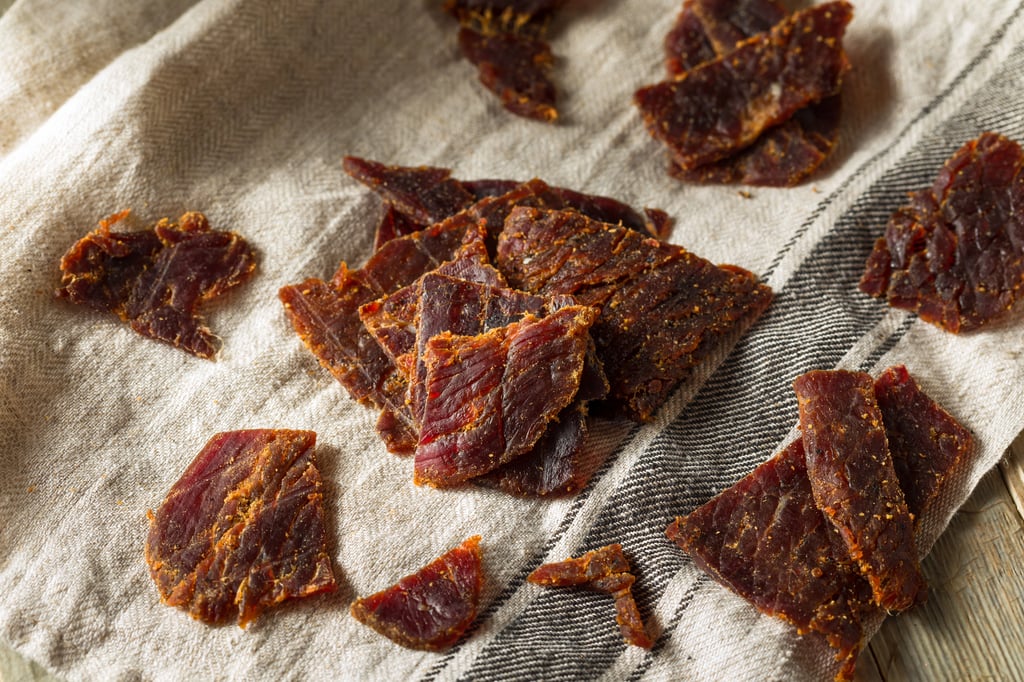
Beef jerky can be a healthy snack in moderation. If your core question is “Is beef jerky healthy for you?” here is the simple framework.
- Make protein the point. Choose whole-muscle jerky with high protein per ounce and zero or minimal sugar.
- Treat sodium as the limiter. Keep it to one serving and fit it into a day that is not already salty.
- Use context. Jerky works best when you need shelf-stable protein. It is not a stand-alone meal and it is not a daily cornerstone.
- Balance the week. Mix in fresh proteins and fiber-rich foods so jerky becomes a useful tool, not a routine crutch.
Use it well. Keep the protein. Control the salt. Pair it with real food. That is how jerky earns its spot in a healthy diet.
Comments 0
No Readers' Pick yet.