



Mexican Beer: Your Drinking Guide to Best Brands, Styles & Culture
 Story by:
Editorial Dept.
Story by:
Editorial Dept.
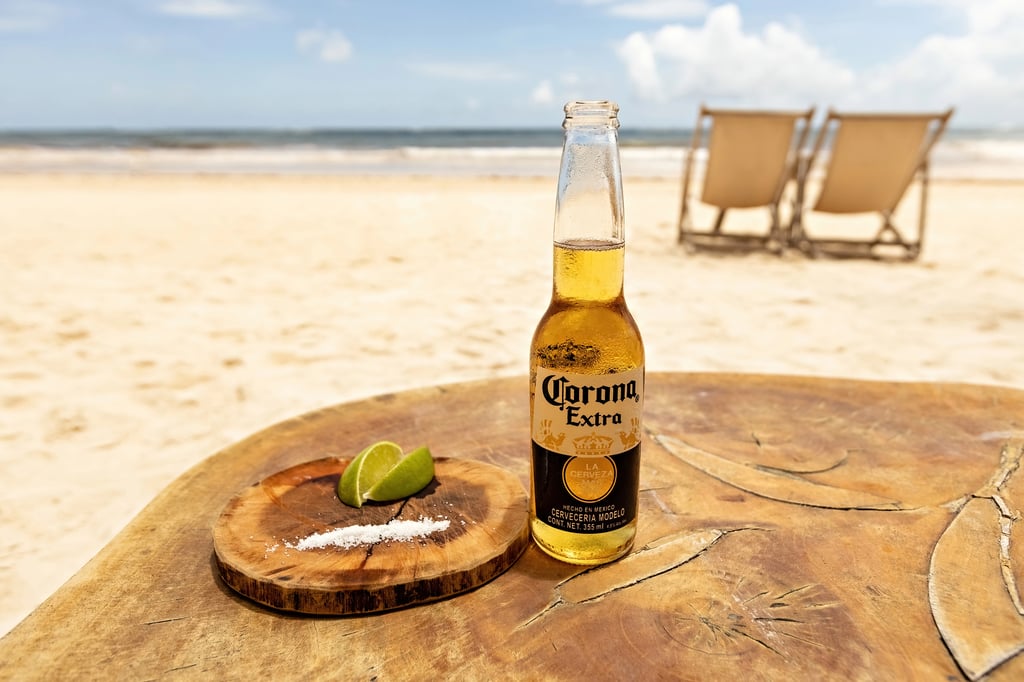
Say “Mexican beer” and most people see the same picture in their heads: a clear bottle of lager, a lime wedge shoved in the neck, a beach in the background, and condensation doing all the marketing. That image is real, but it is only a tiny slice of what Mexican beers actually are.
Beer arrived later, riding along with Spanish rule and European-style beers brewed in small batches for soldiers, merchants, and officials who missed the taste of home. Taxes, distance, and the strength of older traditions kept it niche for a long time. Only in the nineteenth century did the story really pivot, when brewers in Toluca, Orizaba, and Monterrey began building proper breweries and experimenting with European-style beers like Vienna lagers and pilsners.
That is where the modern idea of “Mexican beer” begins. Immigrant brewers and local partners, many trained in German and Austrian traditions, adapted their recipes to Mexican water, Mexican grain, and Mexican taste. Vienna lagers gave the country its first amber beers. Pale lagers followed as refrigeration and railways let breweries ship stable, cold beer deep into the country. Over the twentieth century, many of those breweries were absorbed into two giants: Grupo Modelo and Cervecería Cuauhtémoc Moctezuma.
What is Mexican Beer?
Mexican beer is made when European lager tradition blends with Mexican heat, food, and habit. On a legal form, it’s just beer brewed in Mexico. At the table, it’s something else entirely: pale bottles sweating next to aguachile, dark “negra” lagers cutting through rich mole, a bucket of Tecate arriving unannounced when the second round of tacos lands.
Brewers in Toluca, Monterrey, and Mexico City started with Vienna and Bohemian recipes, then lightened them for the climate: cleaner fermentation, lighter bodies, enough bitterness to stay crisp, but not bitter enough to fight chile and lime. That lighter, cleaner style took hold and “Mexican beer” became known as the easygoing lager you could drink all afternoon.
Today, the definition of Mexican beer is changing. Beyond the light classics, restaurants, bars and breweries across Mexico are pouring IPAs, porters, stouts, and farmhouse ales layered with cacao, coffee, and fruit. Ask what Mexican beer is now, and the honest answer is the whole arc, from beach lager to tasting-room pour.
Roots in Vienna lagers
In the late 1800s, Mexico’s modern brewing scene began taking shape as European brewing traditions, often associated in beer lore with the reign of Emperor Maximilian, combined with the practical realities of building breweries that could reliably make cold-fermented lagers. In places like Toluca, early large-scale brewers expanded with infrastructure (including ice production) that made lager production feasible and scalable. Vienna-style amber lagers became a defining lane: toasted malt, gentle sweetness, and a clean finish—more flavor than the palest lagers, still built for drinkability. That Mexican lager history shows up today in Mexico’s enduring love for amber lagers and “negra” dark lagers.
Why Lagers Dominate
Look at a shelf of Mexican beers, and you will notice almost everything is a lager. Ales exist, but they tend to come from smaller breweries. There are some very practical reasons for that:
Climate: Mexico is warm. Pale, crisp lager beer fits the heat. Drinkers want something cold, clean, and fast.
Scale: When you build industrial breweries, pale lagers are efficient. They ferment clean, they ship well, and they stay stable for a long time.
Ingredients: Many Mexican lagers use a mix of malted barley and adjuncts such as corn, sometimes with six-row barley in the blend. You get a light, very fermentable wort that turns into an approachable, low bitterness beer.
Taste: Mexicans built whole drinking rituals around that style. Lime, salt, micheladas, buckets, caguamas. A crisp lager is the perfect canvas.
So, while there are Mexican ales, most people experience Mexican beer through this lager heavy lens, which is exactly why Mexican craft beer feels so refreshing when it steps outside that box.
The Mexican Craft Revolution
The story tilts again in the early 2000s. A new wave of breweries, starting with names like Minerva in Guadalajara and followed by dozens more in Mexico City, Baja, Querétaro, and the north, began making ales alongside lagers: pale ales, IPAs, porters, stouts, wheat beers, and saisons.
As import restrictions loosened and festivals appeared, those breweries stopped feeling like a novelty and started reading like a second map layered over the old duopoly. You could still grab a bucket of Tecate or Modelo for the carne asada, but a few blocks away, someone was serving tasting flights and barrel-aged bottles. That quiet shift is the craft revolution: not a break with Mexican beer, but a louder, more curious continuation.
Mexican Beer Styles
You don’t need a brewing textbook to understand Mexican beer styles. If you can picture color, body, and general tastes, you are most of the way there.
– Mexican Light Lagers / Light Mexican Beers
This is the style that made Mexican beer famous abroad. Think gold in the glass, fine bubbles, and almost no resistance between the first sip and the empty bottle. Read the Beer Judge Certification Program (BJCP) description of this style.
A classic light Mexican lager is:
Pale straw to light gold
Light to medium body
Soft grainy sweetness, low bitterness
Clean aroma with faint corn or bread notes
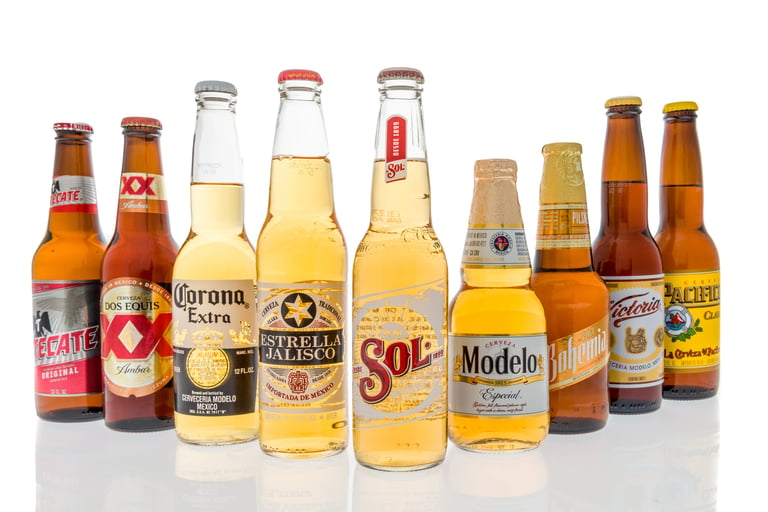
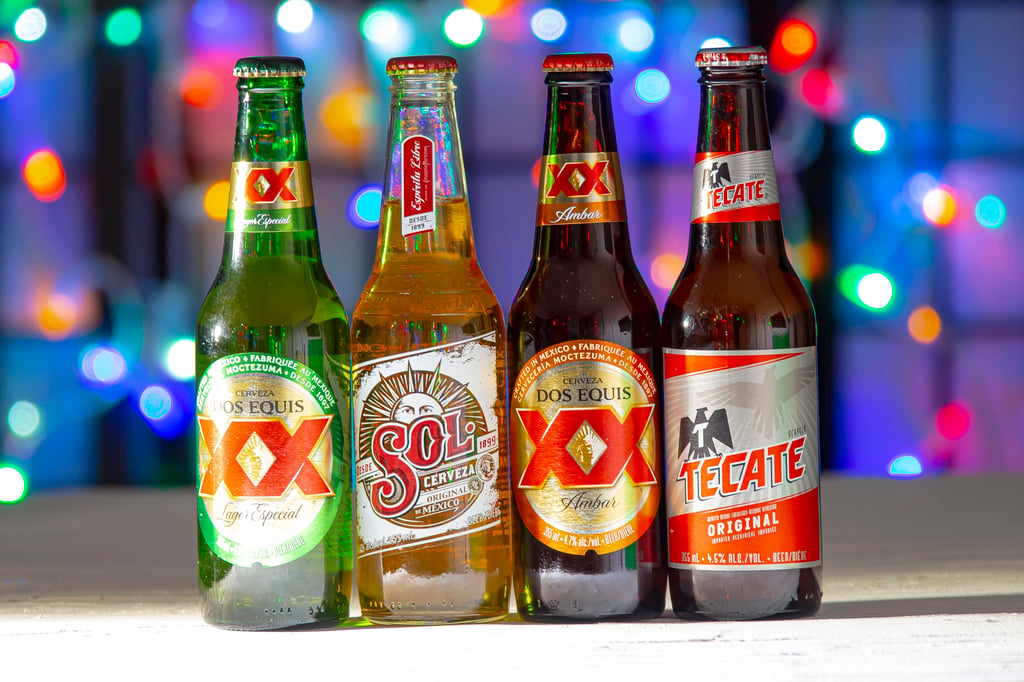
Corona Extra, Modelo Especial, Pacífico Clara, Tecate, and Sol all live here. They differ in detail. Modelo Especial has a rounder, breadier center. Pacífico feels slightly grainier and more coastal. Corona is ultra light and built to take lime. But structurally, these are the same family: light Mexican beers designed to disappear slowly over the course of a hot afternoon.
– Mexican Amber Beer: Vienna Style / Amber Lagers
Mexican amber lagers carry the Viennese DNA. They pour copper to reddish brown and taste like toast and caramel more than fresh bread. Read the BJCP description of this style.
In the glass, expect:
Deeper color
Caramel, toffee, and toasted malt
Medium body
A dry, clean finish
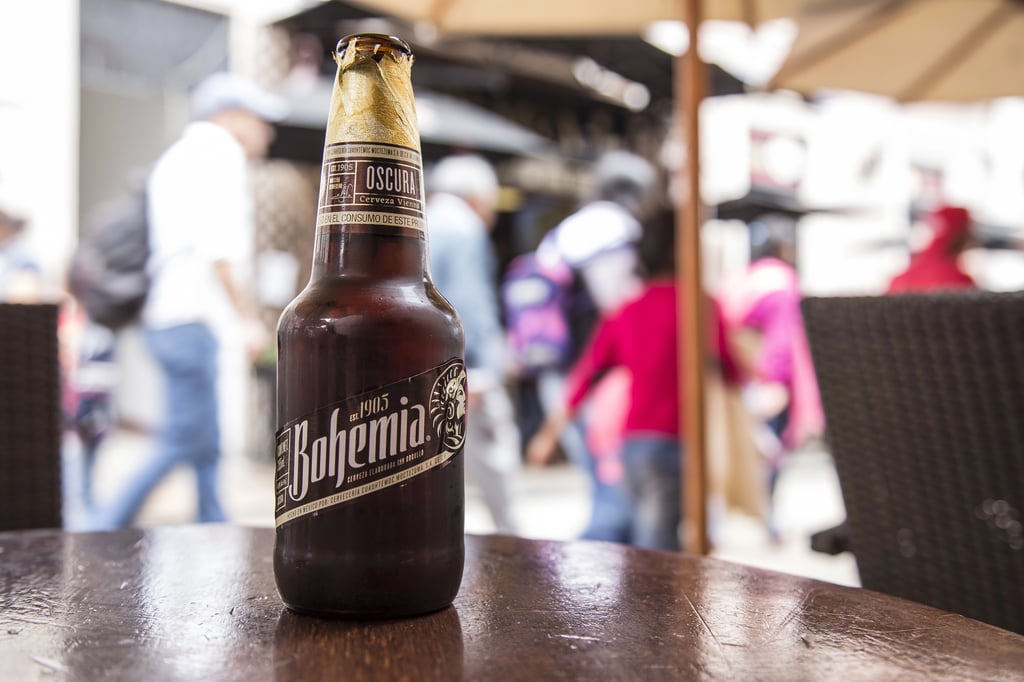
Dos Equis Ambar Especial, Victoria, Noche Buena, Indio, and Bohemia Oscura all sit on this spectrum. Indio and Bohemia Oscura lean richer, with more malt and a denser aroma. Dos Equis Ambar is lighter and easygoing. Victoria splits the difference, an everyday amber you see across Mexico City and beyond.
– Mexican Dark Beer (Negra, Dunkel + More)
Push that amber template a little further, and you land in the heart of dark Mexican beers. These are still lagers, not ales, and they drink much easier than their color suggests.
Here you find beers like Bohemia Oscura, Indio, and León Negra. The color deepens to dark copper or brown. The aroma shifts toward cocoa, nuts, and a little coffee. Bitterness stays modest. The finish is smoother than many German dunkels, but recognizably in that family.
If you usually reach for pale Mexican lagers but want something with more echo and warmth, these beers are where you start.
– Wheat Beers
Wheat beers are not traditional Mexican staples, but they are becoming common in modern breweries. A Mexican wheat beer or witbier often looks cloudy, wears a bright white head, and smells of citrus, spice, or banana and clove.
You’ll see them under labels like “trigo,” “wit,” or “blanca” in taprooms from Mexico City and Guadalajara to resort towns along the coast. They are good entry points for drinkers used to lagers who want a softer mouthfeel and more aroma without a big bitterness jump.
Mexican Craft Beer: IPAs, Porters, Stouts
In the 2000s, a new type of brewer started nudging Mexican beer off its well-worn lager track. Tiny plants in Guadalajara, Tijuana, Ensenada, and Mexico City took the same grains that once fed only Vienna and pilsner recipes and pushed them into louder shapes: hop-heavy IPAs, roasty porters, dense, cacao-rich stouts. American and European playbooks came in the door, but they did not stay intact for long.
A Mexican craft IPA might smell like mango, lime peel, and pine and retains those pungent notes even if served next to tacos al pastor or birria. A porter might carry espresso notes from beans grown locally. A stout might lean into chocolate and chili instead of caramel and toast. These beers don’t replace the light lagers in the cooler. They sit beside them, proof that “Mexican beer” can be a beach thirst-quencher at lunch and a slow, thoughtful glass under bar lights after dark.
Beers for Micheladas
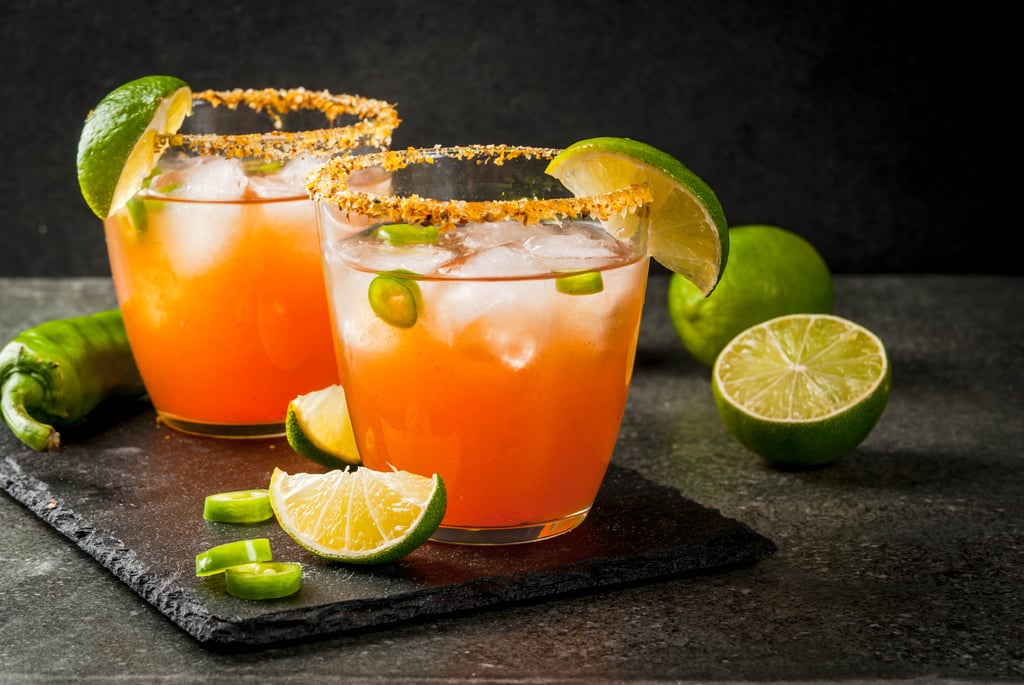
Micheladas were born in sweaty cantinas, not marketing decks. Bartenders learned by trial and error that some Mexican beers could stand up to lime, salt, chili, and tomato, and some simply collapsed. The winners shared the same bones: pale color, clean fermentation, high fizz, and a flavor that stayed calm while the glass went wild.
Today, asking for cerveza para michelada is almost like giving a spec sheet to the person making your beverages. You are really asking for a light Mexican lager that will survive citrus, salt, and spice without turning muddy: Tecate, Sol, Corona, Pacifico, Victoria, Modelo Especial. They are the frame, not the painting. The beer brings bubbles, grain, and gentle bitterness; the lime and chili bring all the noise.
The Best Mexican Beers (Classic & Craft)
Lists always start fights, which is part of the fun. Treat this as a curated starting point, not scripture.
Of course, depending on who you ask, you’ll also see brands like Indio, Carta Blanca, León, and Estrella Jalisco listed among the most popular Mexican beers that don’t always make ‘best of’ lists, though they absolutely belong on the broader brand map.
Is Modelo the top-selling beer in the US?
In 2023, Modelo Especial overtook Bud Light as the top-selling beer in the U.S. by retail dollar sales. In September 2025, Michelob Ultra moved into the #1 spot by volume, but Modelo still leads by dollar sales, making it the most dominant Mexican beer brand on U.S. shelves and menus.
The Classic Mexican Beers
These are the classic Mexican beers you’re most likely to find in a decent supermarket, bar, or taquería. They’re here for a reason: flavor, reliability, and how well they play with food and warm-weather drinking.
- Modelo Especial
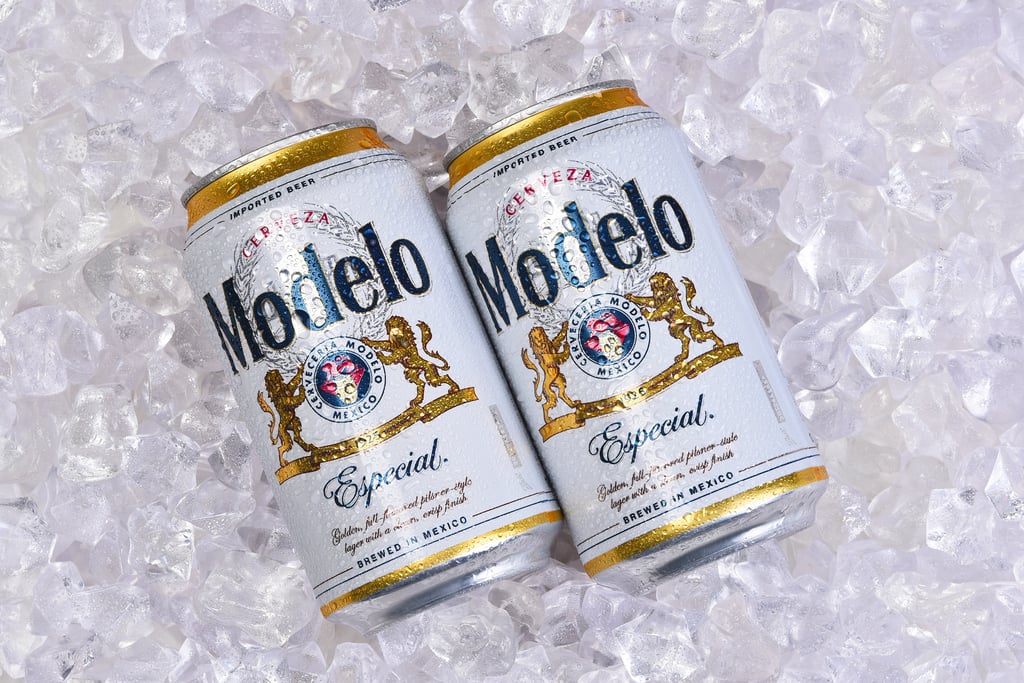
Modelo Especial took the pale lager template and gave it a little more backbone: clean, slightly sweet malt, a gentle grain note, and a finish that actually hangs around for a second. It’s the house pour when you want a Mexican lager that still tastes like grain and brewery, not just “cold.” Best for: tacos, grilled chicken, ceviche, all-purpose fridge duty | Tastes like: soft malt, light grain, clean snap - Bohemia Clásica
Bohemia Clásica is the quiet flex in the macro lineup. It leans closer to a Czech-style pilsner, with a proper hop snap in the aroma, firmer bitterness, and a crisper finish than most mainstream lagers. For drinkers who want more structure and bite without leaving the “easy lager” lane, Bohemia Clásica is a smart move. Best for: fish tacos, salty snacks, anything fried | Tastes like: crisp hops, dry finish, clean bite - Negra Modelo
Negra Modelo shows what Mexican amber lager can do when it takes itself seriously. Deep copper color, caramel and toast on the nose, and a taste that balances gentle sweetness with a clean lager finish. Best for: mole, roasted meats, carne asada | Tastes like: toast, caramel, gentle sweetness - Bohemia Oscura
Bohemia Oscura pushes further into the dark side. Copper-to-brown color, nutty malt, a hint of cocoa, and a more layered aroma make it feel like an evening beer. It’s one of the best dark Mexican beers you can buy without hunting specialty shops, especially if you like your lager with a bit of roasted depth. Best for: grilled meats, richer sauces, cool nights | Tastes like: cocoa, nuts, roasted malt - Pacífico Clara
Pacífico Clara comes from the Pacific coast and tastes a little grainier and more rustic than Corona. Bright carbonation, grainy malt, and a refreshing finish make it a natural fit for seafood, lime, and afternoons on a deck or boat. Ask brewers and bartenders for their go-to “boat, beach, and fish tacos” Mexican lager, and Pacífico shows up a lot. Best for: shrimp tacos, ceviche, beach coolers | Tastes like: grainy malt, high fizz, clean finish - Victoria
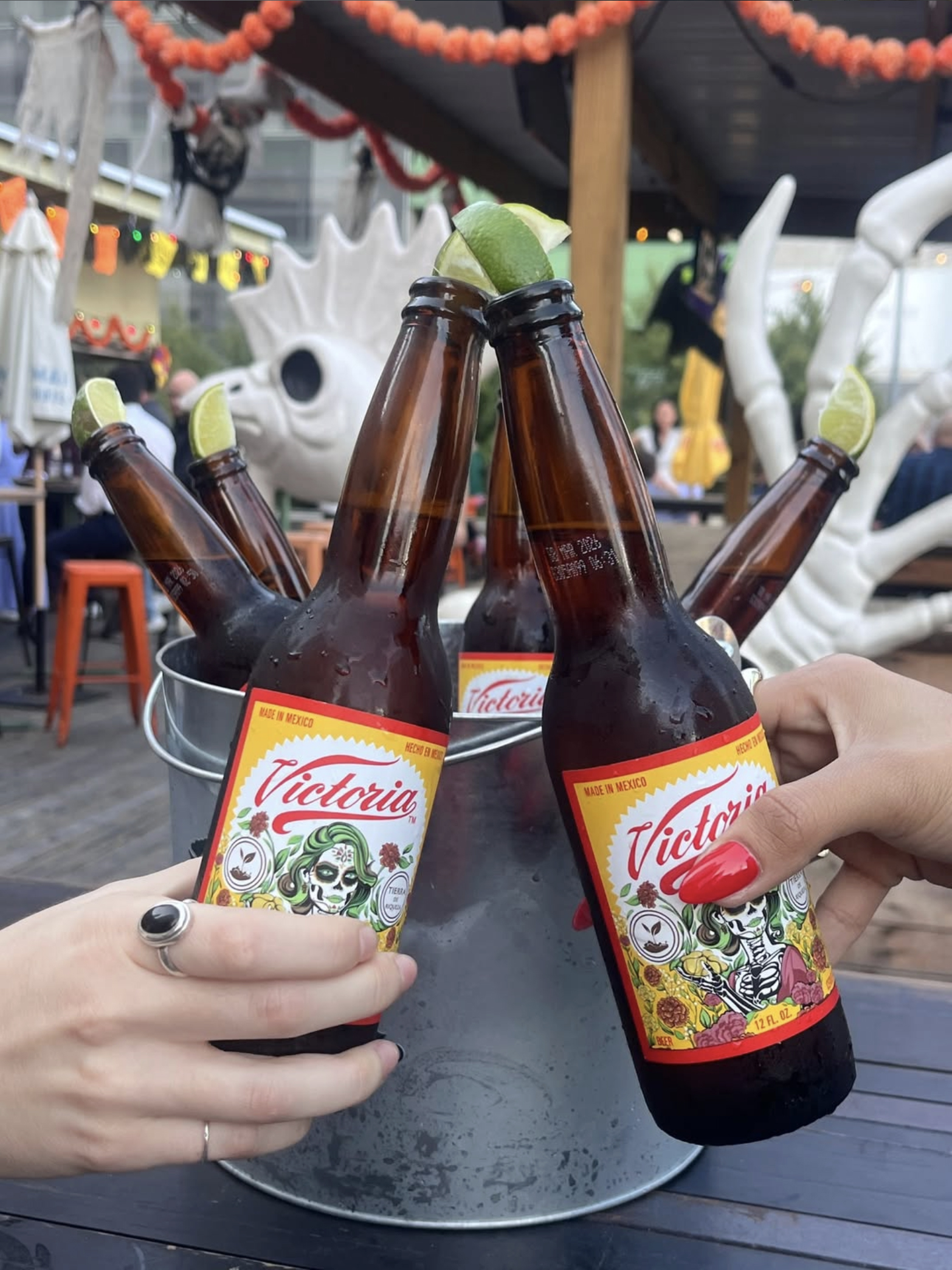
Victoria is one of Mexico’s oldest running brands, originally brewed as a Vienna lager in Toluca before becoming part of Grupo Modelo. It sits in the amber space with gentle caramel, toasted malt, and a modest ABV that plays nicely with food. Victoria doesn’t shout; it hums along as a very Mexican answer to “I want something with more flavor, but not heavy.” Best for: tacos al pastor, pozole, backyard hangs | Tastes like: toast, light caramel, smooth lager - Dos Equis Ambar Especial
Dos Equis lives in both lanes: Lager Especial for light and easy, Ambar Especial for copper and malt. Ambar Especial is the soft landing for drinkers stepping out of the pale lager lane—mild sweetness, smooth finish, and enough flavor to be interesting without asking for too much attention. Not every beer has to be profound; some just have to be reliably good, and Dos Equis Ambar does that job very well. Best for: nachos, grilled sausages, weeknight tacos | Tastes like: toast, light caramel, easy malt - Tecate Original
Tecate’s story runs along the northern border, closer to dust and desert wind than postcard beaches. The red can is built for carne asada smoke, boxing nights, and long drives between Baja and the interior. Out of the can, Tecate tastes like cold grain and light bitterness; in a glass with a salted rim and lime, it tastes like a weekend. Among everyday Mexican beers, it more than holds its own. Best for: carne asada, micheladas, game day | Tastes like: light grain, mild bitterness, clean fizz - Corona Extra
Corona took a very light lager and turned it into an image: clear glass catching the sun, pale gold beer, a lime wedge jammed in the neck, an ocean somewhere just out of frame. On its own, Corona Extra is a soft, grainy, ultra-light lager. With a lime wedge and a hot afternoon, it becomes a little ritual and a shortcut to “vacation mode,” even if you’re only a few blocks from the office. Best for: buckets, beach days, easy sipping | Tastes like: featherlight lager, citrus-ready - Sol
Sol keeps things featherweight. Clear glass, bright label, ultra-light body, high carbonation, and a flavor that mostly gets out of the way of lime, salt, and spice. It does its best work as a michelada base or as the first beer of the day pulled from an ice-filled bucket in serious heat, where “cold and easy” is exactly what you want. Best for: micheladas, spicy snacks, hot afternoons | Tastes like: ultra-light malt, high fizz
Popular Classic Mexican Beer Brands (Snapshot Table)
This snapshot is the big-brand map: the core styles, typical ABV ranges, and the quick “why it matters” note for each label.
|
Brand |
Beer Style |
ABV |
Beer Characteristics |
|---|---|---|---|
|
Modelo Especial |
Pale Mexican lager |
4.4% |
Round malt, soft sweetness, very versatile. |
|
Negra Modelo |
Dark lager |
5.4% |
Toasted, caramel, benchmark dark mexican beer. |
|
Corona Extra |
Light pale lager |
4.6% |
Built for lime, sun, and beach buckets. |
|
Pacífico Clara |
Pilsner-style pale lager |
4.4% |
Grainy, coastal, great with seafood. |
|
Dos Equis Lager Especial |
Light lager |
4.2% |
Simple, crisp, popular mexican beer in the US. |
|
Dos Equis Ambar Especial |
Vienna amber lager |
4.7% |
Toast and caramel without heaviness. |
|
Tecate Original |
Pale lager |
4.5% |
Border classic, loves lime and salt. |
|
Sol |
Extra light pale lager |
4.5% |
Mild flavor, ideal michelada base. |
|
Victoria |
Vienna-style amber lager |
4.0% |
Historic brand from Toluca, very food friendly. |
|
Carta Blanca |
Pale lager |
4.5% |
Classic macro lager; a touch more backbone than ultra-light labels. |
|
Estrella Jalisco |
Mexican pilsner / pale lager |
4.5% |
Crisp, clean, light finish; widely available on U.S. shelves. |
|
Bohemia Clásica |
Pilsner style pale lager |
4.7% |
More hop aroma, sharper bitterness. |
|
Bohemia Oscura |
Dark lager |
5.5% |
Dark copper, nutty and caramel driven. |
|
Indio |
Vienna-style lager |
4.1% |
Toasty-caramel lean, easy-drinking “darker” everyday lager. |
|
León |
Munich dunkel / dark lager |
4.5% |
Smooth dark lager with roast-nutty notes; lighter than it looks. |
Mexican Beer Pairings With Food
- Light Mexican beers (pale lagers)
Ceviche, fish tacos, chips + salsa, grilled shrimp - Mexican amber beer (Vienna-style)
Tacos al pastor, carnitas, grilled chicken, queso - Mexican dark beer (negra/dunkel)
Mole, birria, barbacoa, chocolate desserts - Mexican craft beer (IPA/porter/stout)
Spicy tacos, smoked meats, churros, coffee desserts - Beers for micheladas
Any clean, high-carbonation light lager (Tecate, Sol, Corona, Pacífico, Modelo Especial)
Best Mexican Craft Beers for 2026
Craft rankings move every year, but some names keep returning in conversations among brewers, judges, and serious drinkers. Based on where Mexican craft beer is now, these are the kinds of beers that will still matter in 2026.
Minerva IPA – Cerveza Minerva (Guadalajara)
One of the early flagships of Mexican IPAs. Resinous, citrus heavy hops, a sturdy malt base, and enough bitterness to satisfy IPA fans without blowing out the pairing with tacos or tortas ahogadas. It helped convince many Mexicans that hops and heat could live in the same glass.Tempus Dorada – Cervecería Primus (Querétaro / Mexico City)
A golden ale that drinks like a bridge between light Mexican lagers and craft ales. Honey like malt, gentle bitterness, and a soft floral aroma. This is what you hand to a friend who loves Modelo Especial and wants “the next step” without jumping straight into IPA territory.Tempus Clásica – Cervecería Primus
Tempus Clásica is a craft Vienna lager. Amber color, clean malt, a touch of caramel, and a drier finish than many industrial ambers. It connects the early days of European-style beers in Toluca to modern taprooms in Mexico City in one clean line.Tempus Doble Malta – Cervecería Primus
Strong, warming, and malt forward, this double malt beer pushes the upper end of Mexican beer alcohol content. Caramel, biscuit, and gentle alcohol warmth make it more of a slow sipper than a casual refresher. It’s one of the best Mexican beers to show skeptics that Mexico can do strong lagers as well as anyone.Mexican Imperial Stout – Cervecería Calavera (Estado de México)
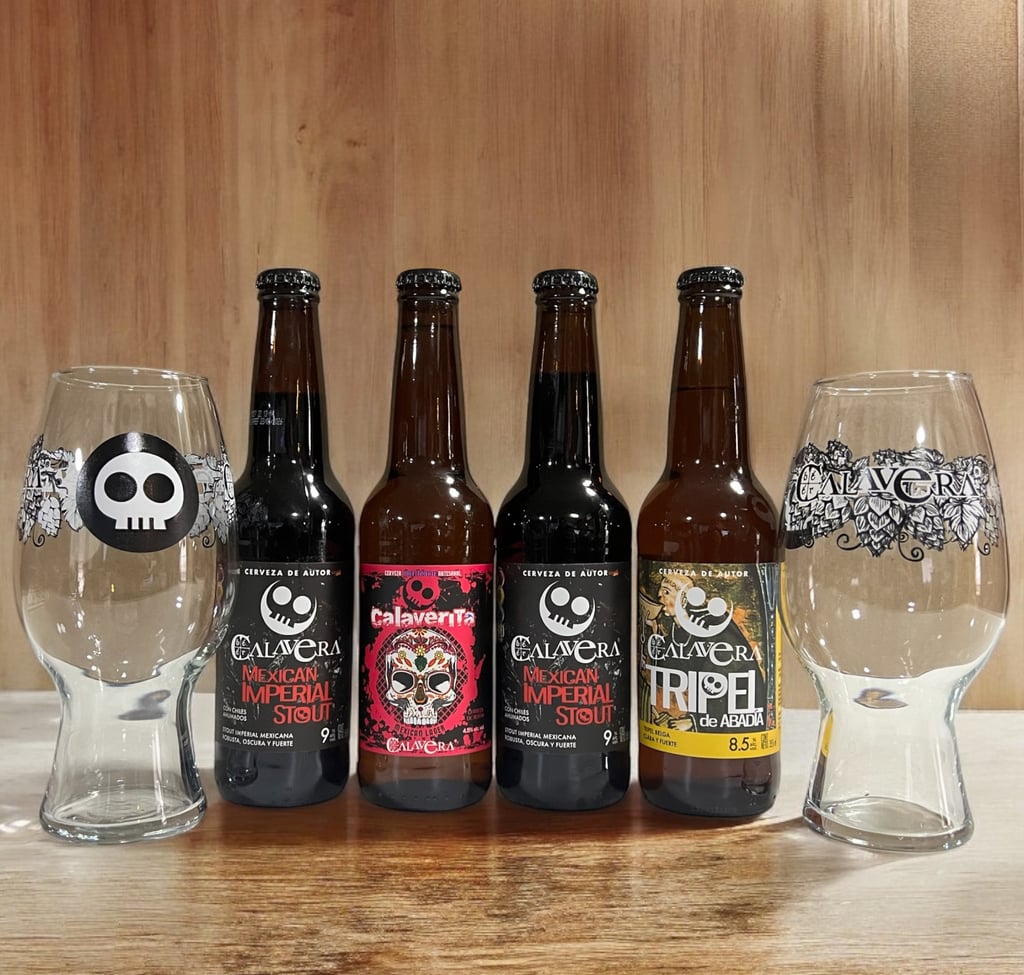
Nine percent ABV, layers of roast and chocolate, often a touch of chili in the aroma. This stout has become a reference point in conversations about strong Mexican beer. It pairs as easily with mole and chiles en nogada as it does with dessert.Lupulosa – Cervecería Insurgente (Tijuana)
A sharp, expressive IPA from the Baja border scene, where brewers stare directly across at San Diego and decide to compete. Tropical fruit, citrus, solid bitterness, and a dry finish that keeps the glass from feeling sticky.Baja Blond / Cabotella – Baja Brewing (Los Cabos)
These blond ales are what you drink when you want the refreshing power of a pale Mexican lager with more character. Soft malt, light fruit notes, and a clean finish built for hot sand, fried fish, and salty breeze.Monstruo de Agua Saisons and Farmhouse Ales – Mexico City
Monstruo de Agua focuses on ingredient driven ales: saisons with local grains, herbs, and fruit; experimental blondes and ambers that feel rooted in the land as much as the style. They smell alive, with a complex aroma rather than just hop blasts.
Mexico boasts a large and growing craft scene with thousands of distinct ales and lagers cataloged. The names above are not the whole story. They are proof that Mexican craft beer is no longer a curiosity, but a full parallel universe to the big brands. You can see those same instincts spilling over the border in projects like Cruz Blanca Brewery: Mexico Calling, where Chicago taps are tuned to tacos, Mexican-style lagers, and the same easygoing rhythm that started back in Mexico.
Mexican Beer Alcohol Content (ABV Strength Guide)
ABV isn’t the most interesting thing about a beer, but it helps to know where you are on the dial. Mexican beer alcohol content breaks cleanly into three tiers, which are listed below. Just know that ABV can vary by market and packaging, so treat these as typical ranges and check the label if you’re dialing in a specific strength.
Light Beers
Light Mexican beers usually land around the low-to-mid 4% range, with some “light” versions dipping lower depending on the brand and market. Corona Light, Tecate Light, and lower strength versions of Sol brewed for some markets live here. These are built for long sessions: soccer matches, beach days, endless plates of snacks.
Regular Strength Beers
Most classic Mexican beers sit in the 4% to mid-5% zone, making them strong enough to have a rich flavor, yet still built for long sessions.
Such brands in this tier include:
Corona Extra
Modelo Especial
Pacífico Clara
Dos Equis Lager Especial and Ambar
Tecate
Victoria
Negra Modelo
Bohemia Clásica and Oscura
Retail listings consistently show Corona Extra around 4.5 to 4.6 percent and Modelo Especial at 4.4 percent, with Pacífico Clara at 4.4 percent and Victoria at 4.0 percent. Negra Modelo and Bohemia Oscura tend to hover a little above 5 percent. For most drinkers, this is the natural zone. Enough strength for flavor, not enough to turn every bottle into a strategic decision.
High ABV Craft Beers
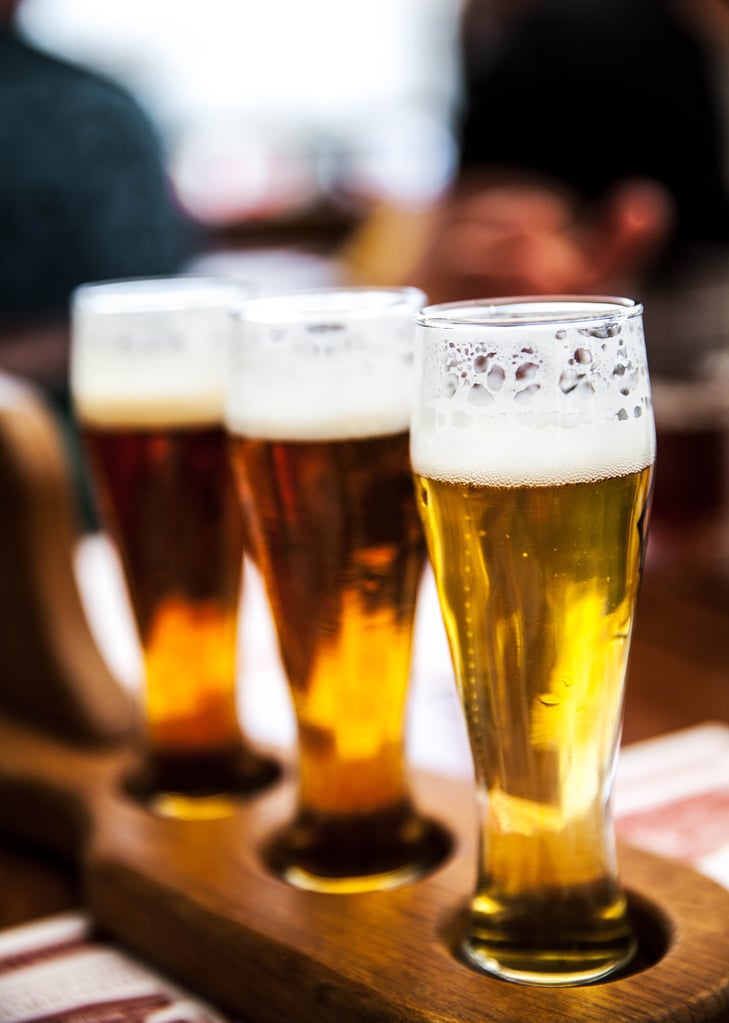
Imperial stouts and strong lagers in the craft segment often push past 8% ABV, but the exact numbers change by release. Imperial stouts like Calavera’s sit around 9%. Double malt lagers and bocks from breweries like Primus push into the 7-8% range. Occasional Belgian-style strong ales join them higher up the ladder.
If you are looking for “the strongest Mexican beer,” you are hunting these bottles, not anything from the big mainstream brands. They are sippers, often packaged in smaller formats, best shared with people who will actually talk about what they taste.
Mexican Beer Culture
You can measure production in hectoliters and export charts, but Mexican beer really lives in the small moments: the family table, the beach cooler, the michelada glass with salt stuck to the rim.
Why the Lime?
The lime wedge has a whole constellation of origin stories. Some say bartenders used lime to wipe rust and grime from old crown caps. Others say it helped keep flies away in open air bars. Others argue it was a clever bit of marketing to make Corona and its cousins feel more exotic in the United States. The truth is probably a mix of practicality and theater.
Either way, the habit stuck because it works. The lime cuts the sweetness, wakes up the aroma, and locks beer, citrus, and salt into a ritual that feels instantly Mexican, even when you are thousands of miles from Mexico City.
Beach Beer and Caguamas
At the beach, Mexican beer becomes background music. Buckets of Corona, Pacífico, Tecate, or Sol arrive at plastic tables along with ceviche and tostadas. Someone produces a caguama, that 940 ml “family size” bottle, and plastic cups appear without anyone asking. The bottle makes its slow lap around the table until it is empty, and someone goes to fetch another.
Beer arrived later than Mexico’s older drinking traditions like pulque and distilled spirits, but it eventually grew into its own rituals too, such as micheladas, beach buckets, and caguama beer starting with European-style beers brewed in small batches for soldiers, merchants, and officials who missed the taste of home.
More than a big bottle, the caguama is shared ritual.
That thick-glass, 32-ounce bottle tends to show up when things slow down and people settle in at beach tables, backyard cookouts, taquerías, and long afternoons where no one’s watching the time. If you want to understand why this oversized bottle carries so much cultural weight, and how it became such a familiar symbol of Mexican beer culture, our full story goes deeper: Caguama Beer: The 32-Ounce Icon of Mexican Drinking Culture
Craft Beer Festivals in Mexico
Out in the bigger cities like Monterrey, Guadalajara, Baja, and Mexico City, craft festivals show you the newer side of Mexican beer. They’re basically a live snapshot of each region: what people are brewing right now, what they’re borrowing from abroad, and what they’re doing with local ingredients. You’ll run into hop-forward IPAs, peppery saisons, barrel-aged projects, and beers that lean into cacao, coffee, fruit, chile, and herbs in a way that feels more like cooking than “just another style.”
None of that cancels the bucket-and-beach version of Mexican beer. It just widens the picture. The same lagers that anchor a Cinco de Mayo Mexican Lagers roundup still rule coolers for a reason; they’re cold, crisp, and built for heat and food, but Mexico is also producing small-batch bottles that make you slow down, take notes, and argue with your friends about what you’re tasting.


Comments 0
No Readers' Pick yet.