



The Oldest Bars in the World: From Candlelight to Cocktails
 Story by:
Editorial Dept.
Story by:
Editorial Dept.
While there are many institutions that could arguably be considered the oldest bars in the world, they all have a number of traits in common. They are ecosystems: doors swinging, glasses clinking, locals leaning in as they have done for centuries. If you have ever wondered what the oldest bar in the world feels like in real life, this guide is built for you.
“Oldest” gets complicated fast. Some places really have been in continuous operation for centuries with minimal interruption. Others reopened after wars or fires. Some are ancient buildings that became bars later. So here is the rule we are using: we favor the claims with the cleanest paper trail, and we are transparent when a founding date is more rooted in legend than legal documentation.
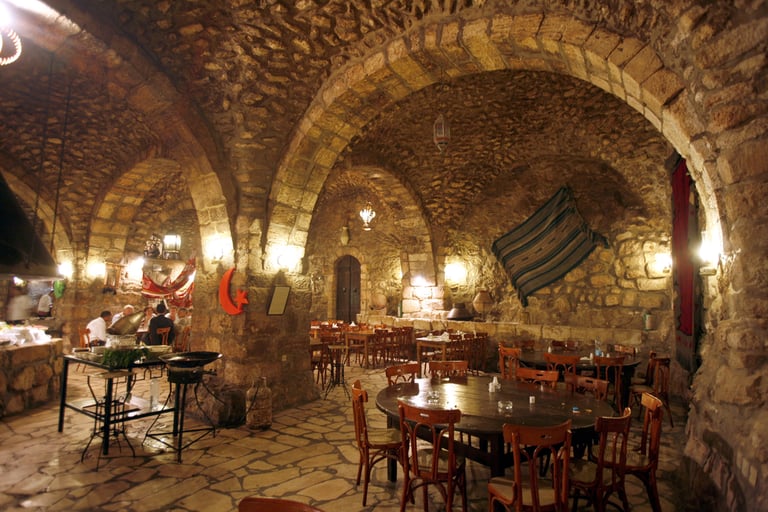
You’ll also get the practical pointers people skip: what to order, when to go, and how to act in a room that is older than your country without turning it into a photo shoot. Expect candlelit caves, creaking taverns, beer halls that roar, and quiet corners where history feels close enough to touch. Then we’ll dive into which bars are debatably the oldest in the United States, including NYC, Boston, and New Orleans. Now let the historic bar crawl begin!
Quick Reference: Oldest Bars by Country
Dates below reflect either a documented history or a widely cited claim that is flagged as such. Use the “Notes” column to decide what kind of “old” you’re chasing.
|
Country / Region |
Quick pick |
City |
“Oldest” angle |
Best for |
Notes |
|---|---|---|---|---|---|
|
Austria |
St. Peter Stiftskulinarium |
Salzburg |
Documented mention (803) |
Candlelit monastery mood |
Hospitality venue first, “bar” second |
|
Ireland |
Sean’s Bar |
Athlone |
Famous “900 AD” claim |
Pub pilgrimage |
Iconic, not “candlelit.” |
|
Ireland |
The Brazen Head |
Dublin |
“1198 hostelry” site claim |
Live music + crowd energy |
Site history vs. current building nuance |
|
England |
Ye Olde Trip to Jerusalem |
Nottingham |
“1189” claim |
Cave-like “candlelight” vibe |
Dramatic setting, debated “oldest” title |
|
England |
The Olde Bell |
Hurley |
Founded 1135 (inn) |
Ancient inn energy |
Inn-first, pub included |
|
England |
The Bingley Arms |
Bardsey |
“905–953 AD” claim |
Pub-myth spotting |
Claim widely disputed |
|
Germany |
Hofbräuhaus |
Munich |
Founded in 1589 (beer hall institution) |
Beer-hall ritual |
WWII damage + restoration through 1958; “continuous” depends on institution vs building. |
|
Czech Republic |
U Fleků |
Prague |
Est. 1499 |
Old-world beer night |
Brewery + pub combo |
|
Sweden |
Zum Franziskaner |
Stockholm |
Old structure used as a bar |
Historic drinking room |
Strong “myth vs facts” example |
|
Netherlands |
In’t Aepjen |
Amsterdam |
Serving since 1519 (bar/inn) |
Jenever + local lore |
One of Amsterdam’s oldest bars |
|
Scotland |
Sheep Heid Inn |
Edinburgh |
“1360” site claim |
Old pub + walk combo |
The foundation date is “reputed.” |
|
Wales |
The Skirrid Inn |
Llanvihangel Crucorney |
“1110” claim |
Haunted-pub vibes |
Building dating challenges the claim |
|
U.S. |
White Horse Tavern |
Newport, RI |
1673 tavern use |
Best US “old bar” start |
Strong building + tavern history |
|
U.S. |
McSorley’s Old Ale House |
New York City |
“1854” claim |
NYC saloon energy |
The date is debated; the vibe isn’t |
|
U.S. |
Bell in Hand Tavern |
Boston |
Est. 1795 |
Classic Boston tavern |
Old structure used as a bar |
|
U.S. |
Lafitte’s Blacksmith Shop Bar |
New Orleans |
Old structure used as bar |
French Quarter mood |
Construction date claims conflict |
|
Denmark |
Hviids Vinstue |
Copenhagen |
Since 1723 (wine bar) |
Cozy “old room” drink |
Oldest wine bar claim |
|
Germany |
Zur letzten Instanz |
Berlin |
Tavern roots since 1621 |
Old Berlin tavern meal |
Site tradition and docs split |
|
Norway |
Engebret Café |
Oslo |
Since 1857 (restaurant) |
Historic dinner + drinks |
Restaurant, but a classic old haunt |
What Counts as an “Oldest Bar”?
Three “oldest” definitions get mixed in search results, travel guides, and pub ads. No one definition is more correct than another. It all comes down to what you’re looking for when you think “oldest bars.”
The 3 definitions you’ll see
This guide mostly follows the traveler definition: places with a long, traceable drinking-house story, where the “old” claim can be explained in plain English. When a venue leans on “continuous” or “oldest building,” this guide will specify.
- Oldest with documented drinking-house history: There’s credible evidence the venue has served as a public drinking place for a very long time.
- Oldest “continuous” claim: The venue claims a long-running operation with minimal interruption. This is the strictest category, and the easiest to overstate.
- Oldest building being used as a bar: The structure is genuinely old, but the bar identity may be newer, interrupted, or rebranded.
The Red Flags That Usually Mean “Marketing, Not History”
Old bars run on stories, and stories are part of the fun. But if you care about accuracy, there are a few signals that usually mean the “oldest” claim is more promotional than historical.
- A founding year with no trail beyond brochures: If the only “evidence” is a painted sign, a menu, or a tourist leaflet, assume it is a legend until proven otherwise.
- The claim changes depending on the page you read: When a venue says 905 in one place and 953 somewhere else, that isn’t an “ancient mystery.” It’s loose marketing.
- The proof is a single dramatic anecdote: “We found an old coin in the wall” is fun, but it isn’t the same as licenses, deeds, or city records.
- They call it the “oldest bar,” but describe it as a restaurant first: Some places are historic hospitality venues, inns, or dining rooms that also serve drinks. That can still be worth visiting. It is just a different category.
- They claim “continuous operation” without addressing closures: Wars, fires, and renovations happen. In the U.S., Prohibition alone complicates a lot of “continuous” language. If the claim ignores that, treat it carefully.
What “proof” looks like
The cleanest proof is boring, which is exactly why it gets ignored.
- Licenses, deeds, tax records, and city archives.
- Mentions in letters, legal documents, or institutional records.
- Local historical society notes and protected-building listings.
Then you get the messier stuff: legends repeated for centuries, or a founding year that appears mainly in brochures and painted signs. The best pubs can be both things at once: historically important and still willing to run a few flattering ads.
A good rule: the older the founding year, the more you should expect a “site history” story rather than a “this exact barstool has been here since 900” story. Sean’s Bar is the perfect example: it is famous for a 900 AD origin claim, while architectural records point to later building periods. Both facts can be true in different ways, but the difference matters if you care about accuracy.
Our selection criteria
- Priority goes to places with documentation: protected-building records, or credible institutional history.
- When claims compete, we keep it brief: one line of nuance, then back to what it feels like to drink there.
- We don’t punish vibe: some of the best “old bars” experiences are in places where the paper trail is complicated, but the room is undeniably alive.
How to Order a Drink at an Old Bar
You don’t need to perform history. You just need to be a decent patron.
The etiquette
- Don’t treat it like a museum: these places survive because locals still use them. Respect that.
- Ask before flash photos: old rooms hate bright bursts, and so do people mid-conversation.
- Be mindful of space: many historic pubs are tiny by modern standards. If it’s crowded, finish your pint and move.
The ordering move
Start with the house staple. Not the trend, not the dessert drink, not the sugary “signature” that could be served anywhere.
- In a British or Irish pub, a well-kept pint of whatever is poured best that day.
- In a beer hall, the classic lager or wheat beer is the venue that is likely known for.
- In a historic tavern, a simple spirit or a classic cocktail, you wouldn’t be embarrassed to order in 1920.
One drink you may regret (said with love): ordering the sweetest modern thing in a stone-walled pub and then wondering why it tastes like syrup in a cave.
The planning reality
Hours change. Renovations happen. Some places are so small they feel like someone’s living room. If the venue takes reservations, use them. If it does not, arrive early and treat that wait as part of the story.
Ultimately, take it slow; old bars are built for lingering, so pace your drinks, drink water, and get home safely.
If you’re doing multiple historic stops, keep the night functional with light beer rules: lower ABV, more water, and no “dessert drink” detours.
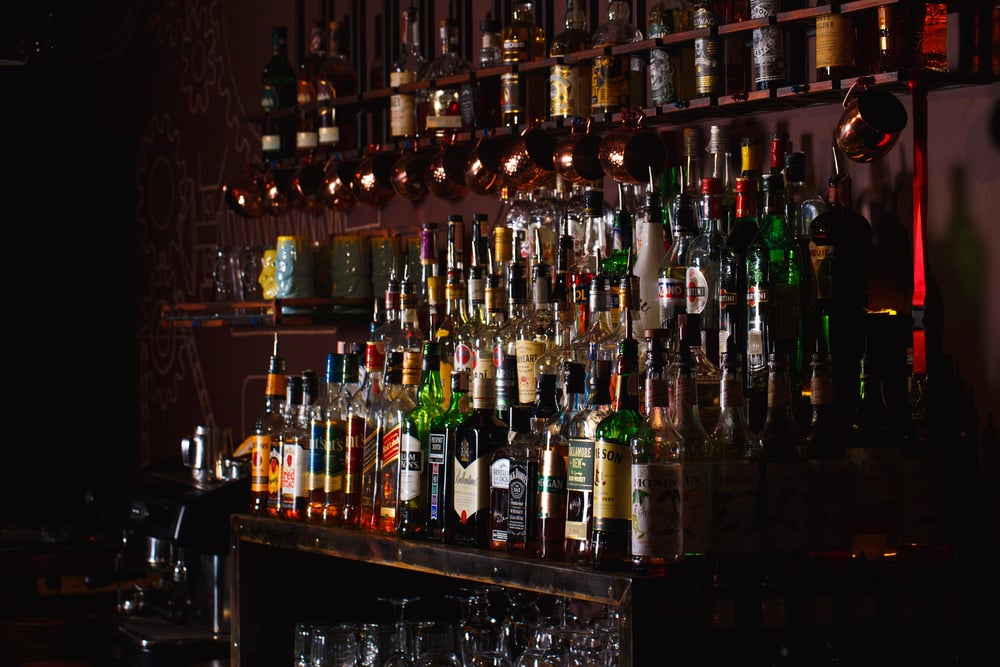
What to Order at Old Bars
When you walk into an ancient pub or historic tavern, the best move is to order as the place expects you to order. It makes the experience feel right, and it protects you from overpriced novelty drinks that could be served anywhere.
- Irish pub move: Start with a stout or the house-poured pint that locals are actually drinking. If you stay for a second round, switch to a simple Irish whiskey.
- English or Welsh pub move: Ask for the best-kept cask ale, but only if the staff sounds confident about it. If they hesitate, go for a reliable keg pale ale or a classic bitter that moves fast.
- Scottish pub move: A local ale is the clean choice. If you want a “signature moment,” order a whisky neat or with a small splash of water.
- Beer hall move (Germany, Czech Republic): Order the classic house beer in the traditional serve. These venues are built around one core style, and it’s usually the smartest thing on the menu. If you want a safe, “fits-the-room” choice, use a pilsner mindset: crisp, bitter, and built for long-table pacing.
- Historic tavern move (especially in the U.S.): Keep it timeless. A whiskey, a gin drink, or a classic cocktail with a simple spec. You want something that fits the room, not something designed for a photo.
- Universal best question: “What’s pouring best today?” That question works in Ireland, England, Amsterdam, Boston, and New Orleans. It signals respect, and it often gets you a better pint.
If you do nothing else, do this: match your drink to the room. The old bars reward simple choices.
The World’s Oldest Bars and Taverns
Below, every entry follows the same template, so you can skim fast and still get a real sense of the place.
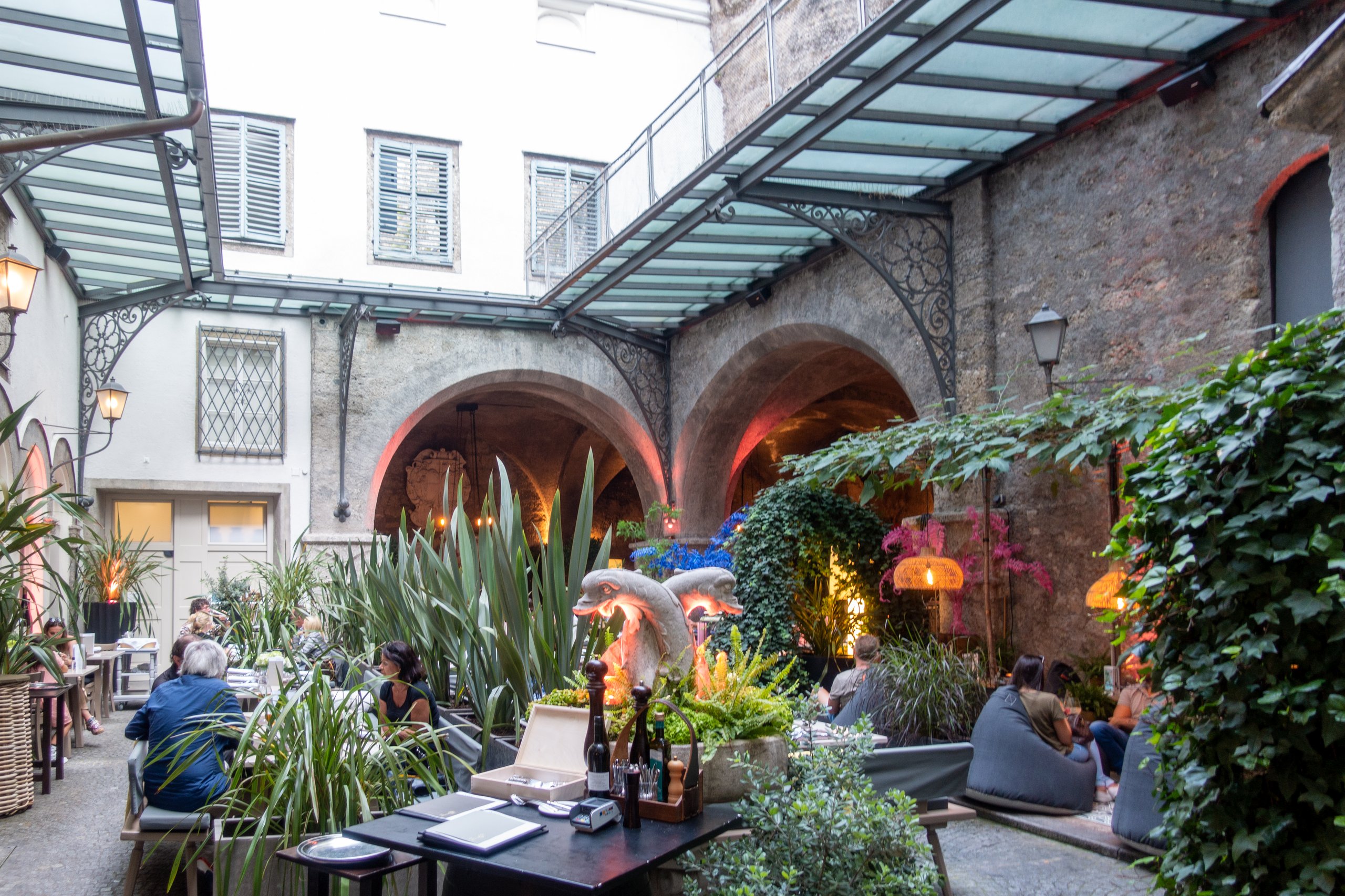
#1 – St. Peter Stiftskulinarium (Salzburg, Austria)
St. Peter Stiftskulinarium is often linked to an early written mention in 803, and it sits inside a monastery setting that feels quietly unreal. It’s better described as a historic hospitality venue in a monastery setting, not a ‘bar’ in the modern neon-sign sense
- What makes it special: proof-heavy history in a space that still feels lived-in, not staged.
- Fact vs legend: Well-documented mentions go back to 803, according to Atlas Obscura.
- Candlelight-to-cocktails detail: candlelit rooms and old stone that make a glass of wine feel ceremonial.
- What to order: an Austrian wine, or a local beer if you want the simplest “I’m here” moment.
- Vibe: calm, historic, grown-up.
- Pro tip: treat it as your “start of the story” stop, then hit a true pub afterward.
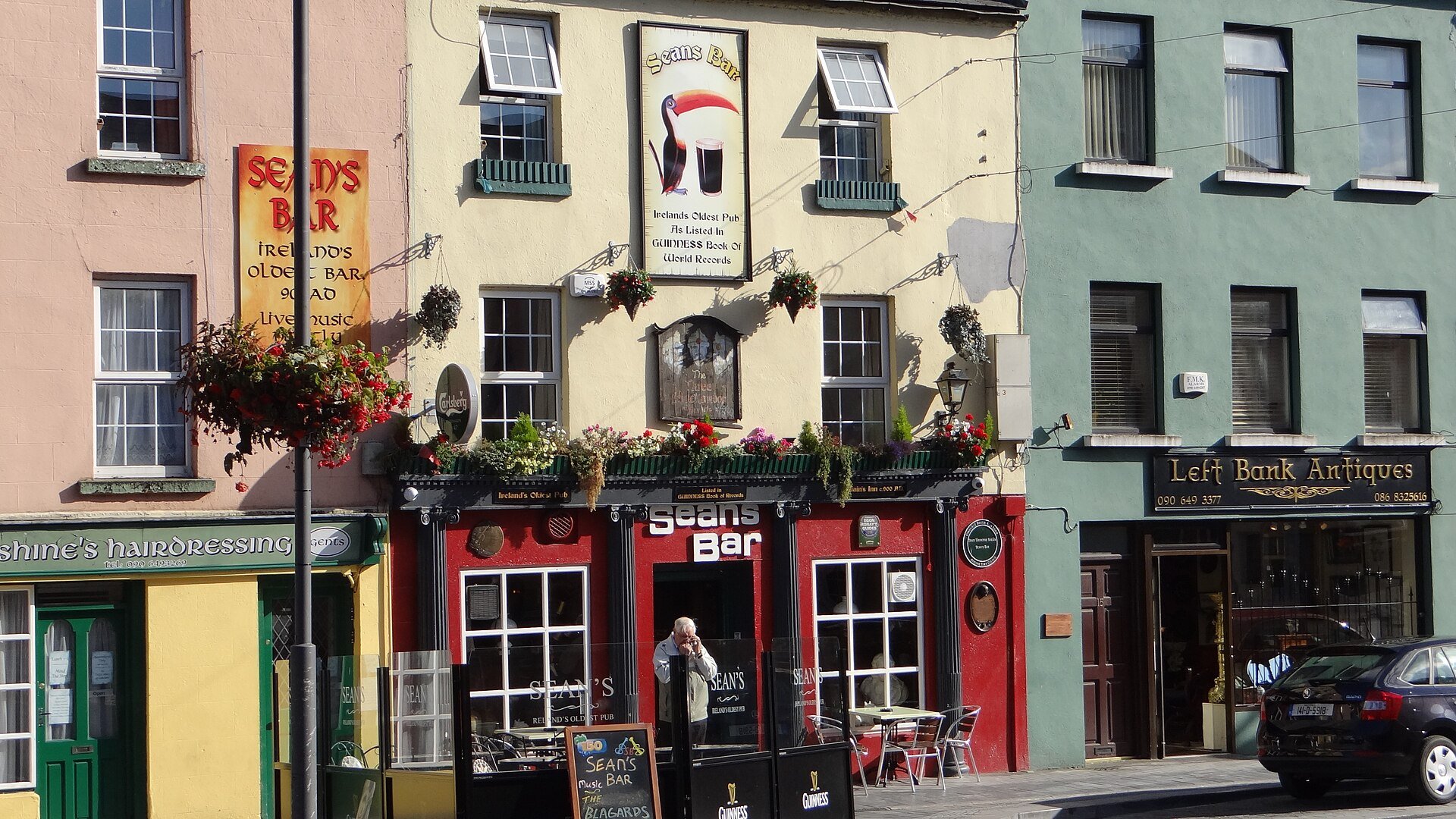
#2 – Sean’s Bar (Athlone, Ireland)
If you are searching oldest bar in Ireland, Sean’s Bar is the name you’ll see everywhere, usually tied to a 900 AD origin story. The nuance is important: the claim is famous, while records cited in summaries point to later building periods, which is exactly why “oldest” debates never die.
- What makes it special: it’s the pilgrimage pub, the one people want to believe in.
- Fact vs legend: Archaeological evidence corroborated by the National Museum of Ireland corroborates the 900 AD founding date, according to the BBC.
- Candlelight-to-cocktails detail: warm wood, low light, the kind of room where stories stick.
- What to order: a creamy stout if it’s pouring well, or whatever local beer the bartender recommends without hesitation.
- Vibe: friendly, tourist-aware, still anchored by real regulars.
- Pro tip: ask what’s pouring best today. That one question saves you from a flat pint.
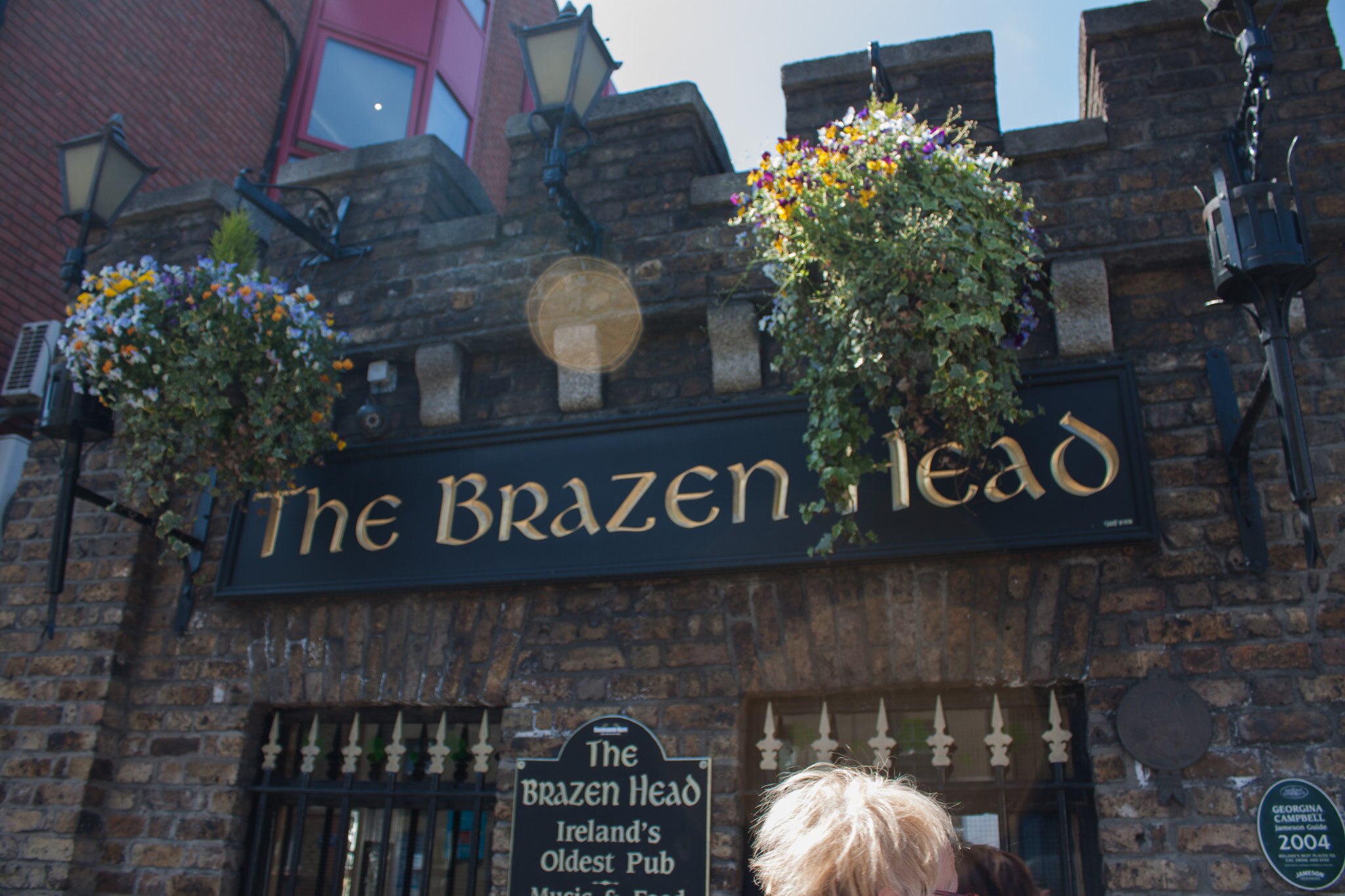
#3 – The Brazen Head (Dublin, Ireland)
The Brazen Head is Dublin’s loud, confident answer to “oldest,” often framed as a hostelry on the site since 1198, with the present building dating later. That split is the whole point: it can be historically meaningful and still honest about what changed.
- What makes it special: it feels like a pub first and a history lesson second.
- Fact vs legend: The 1198 founding date is attributed to local legend, according to The Irish Road Trip.
- Candlelight-to-cocktails detail: dark corners, heavy wood, and a glow that flatters every pint.
- What to order: Guinness if it’s moving fast, or a whiskey if you want the classic Dublin move.
- Vibe: lively, musical, packed with patrons who came for the legend and stayed for the night.
- Pro tip: go early if you hate crowds. Go late if you want the full Dublin roar.
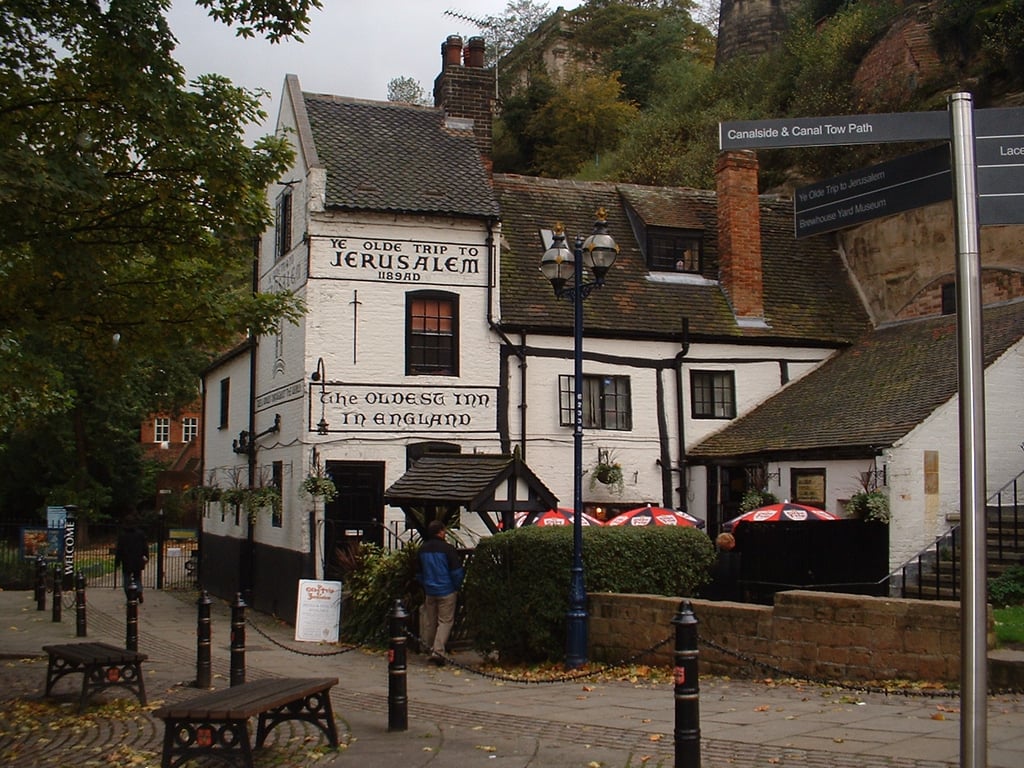
#4 – Ye Olde Trip to Jerusalem (Nottingham, England)
A trip to Jerusalem is the definition of “sell the setting.” It sits against Castle Rock and leans into an 1189 origin claim, often presented as England’s oldest surviving inn. Whether you treat that as airtight or not, the place nails the “candlelight” half of this article title.
- What makes it special: the carved-into-stone feeling you cannot fake.
- Fact vs legend: Evidence suggests that the caves that the bar is carved into date to around 1189, though it is unclear when they began serving, according to Visit Nottinghamshire.
- Candlelight-to-cocktails detail: rooms that look like they were built for secrets and stout.
- What to order: a proper pint, or a simple spirit that does not fight the atmosphere.
- Vibe: historic English tavern, half tourist magnet, half genuinely fun pub.
- Pro tip: walk through the different rooms. The best seat is rarely the first one you see.
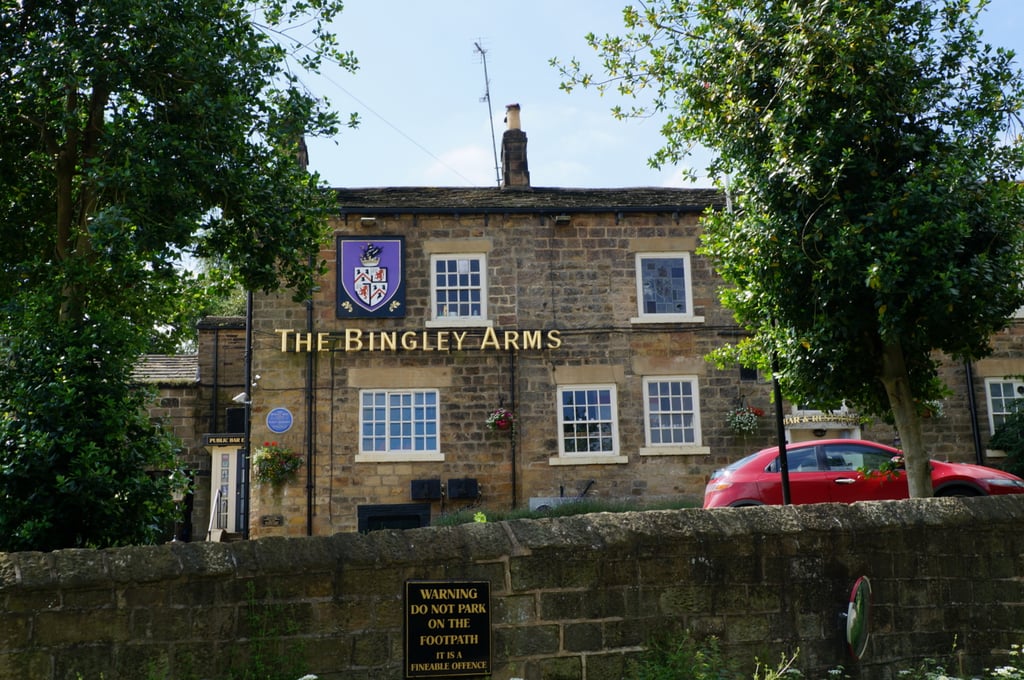
#5 – The Bingley Arms (Bardsey, England)
The Bingley Arms is a masterclass in why “oldest pub” claims are complicated. It has been promoted with early medieval dates, but summaries of the topic note that the current building is much later and that the oldest-date claim lacks solid historical study support. It is still worth mentioning because it shows how pub mythology gets built.
- What makes it special: it’s a living example of pub legend vs. pub evidence.
- Fact vs legend: The bar often claims a founding date of 953, though this is unverified. The current structure dates to 1738, according to Triskele Heritage.
- Candlelight-to-cocktails detail: classic English pub warmth when the weather is doing its usual thing.
- What to order: a cask ale if it’s in good condition, or a pint of whatever locals are actually drinking.
- Vibe: countryside pub energy with a headline-friendly backstory.
- Pro tip: enjoy it for what it is. Don’t reduce your enjoyment to knowing exactly when the bar was founded.
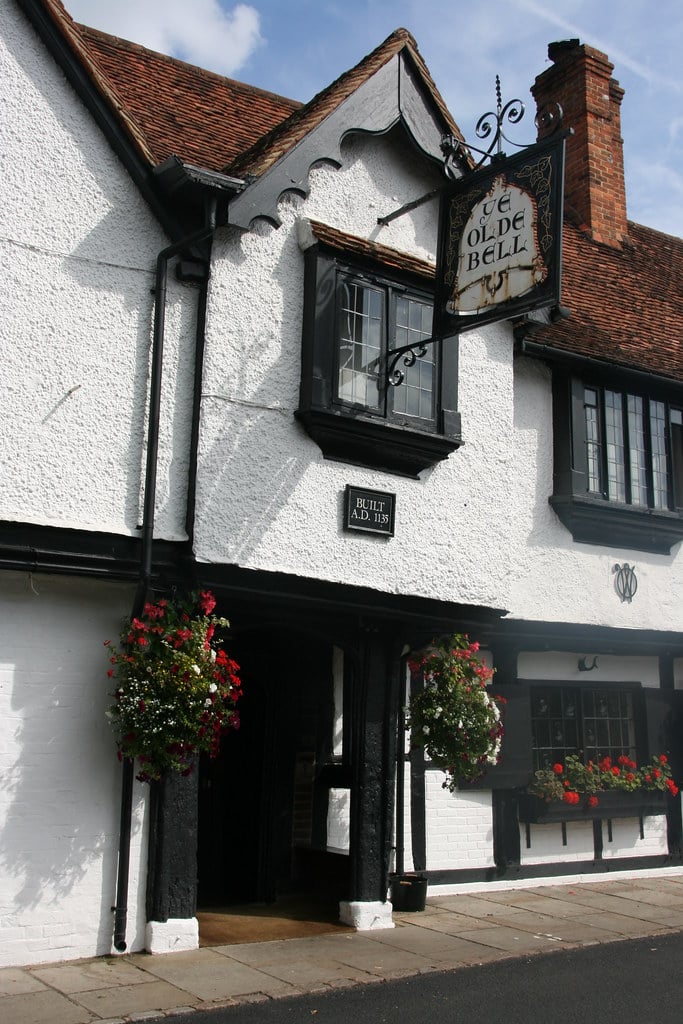
#6 – The Olde Bell (Hurley, England)
The Olde Bell is often described as a historic hostelry connected to Hurley Priory and tied to a 1135 founding story. Even if you think of it more as an inn than a pure “bar,” it fits the core promise: you can still walk in and drink in a place that wears its age naturally.
- What makes it special: “ancient inn” atmosphere with real food-and-drink comfort.
- Fact vs legend: The building is clearly documented as originating as a guest house for a local priory in 1135, according to Wikipedia.
- Candlelight-to-cocktails detail: timber, low ceilings, the kind of light that makes you slow down.
- What to order: a pint by the fire, or a simple gin drink if you want a cleaner finish.
- Vibe: calm, classic, built for conversation.
- Pro tip: go on a weekday if you want the room to feel like it belongs to you.
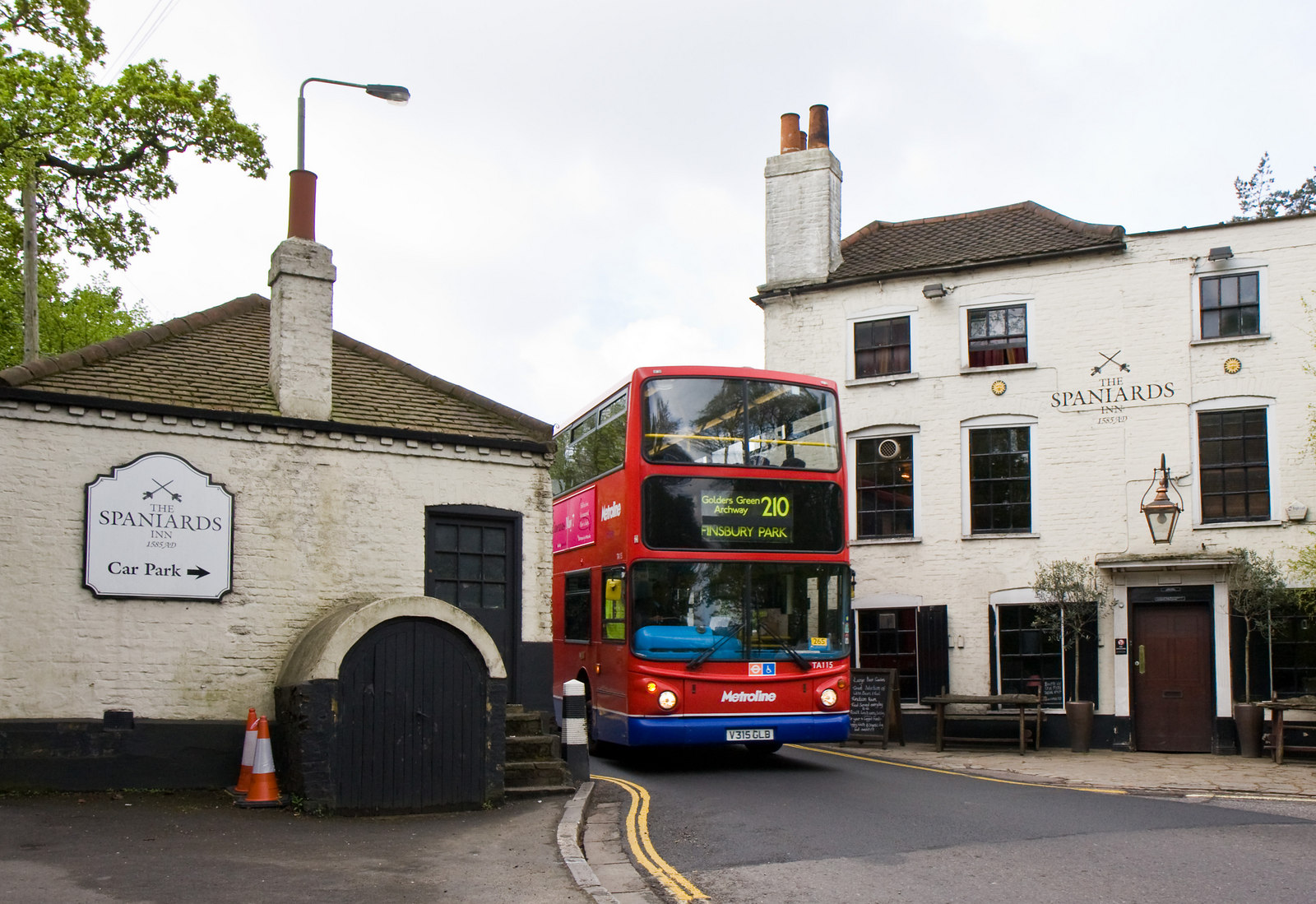
#7 – The Spaniards Inn (London, England)
The Spaniards Inn is one of London’s best historic pubs, commonly linked to 1585, and it wears that age in a way that still feels like a working watering hole, not a theme park. The stories, the writers, the rogues, the legends: they are seasoning, not the meal.
- What makes it special: it feels like stories happened here, not like it sells stories.
- Fact vs legend: The building is dated to 1585, according to History Hit.
- Candlelight-to-cocktails detail: dark wood, a cozy heaviness, and the quiet thrill of old London.
- What to order: a seasonal beer, or a whisky if you want the classic move.
- Vibe: historic London tavern with loyal regulars and curious visitors.
- Pro tip: go for conversation hours, not late-night chaos.
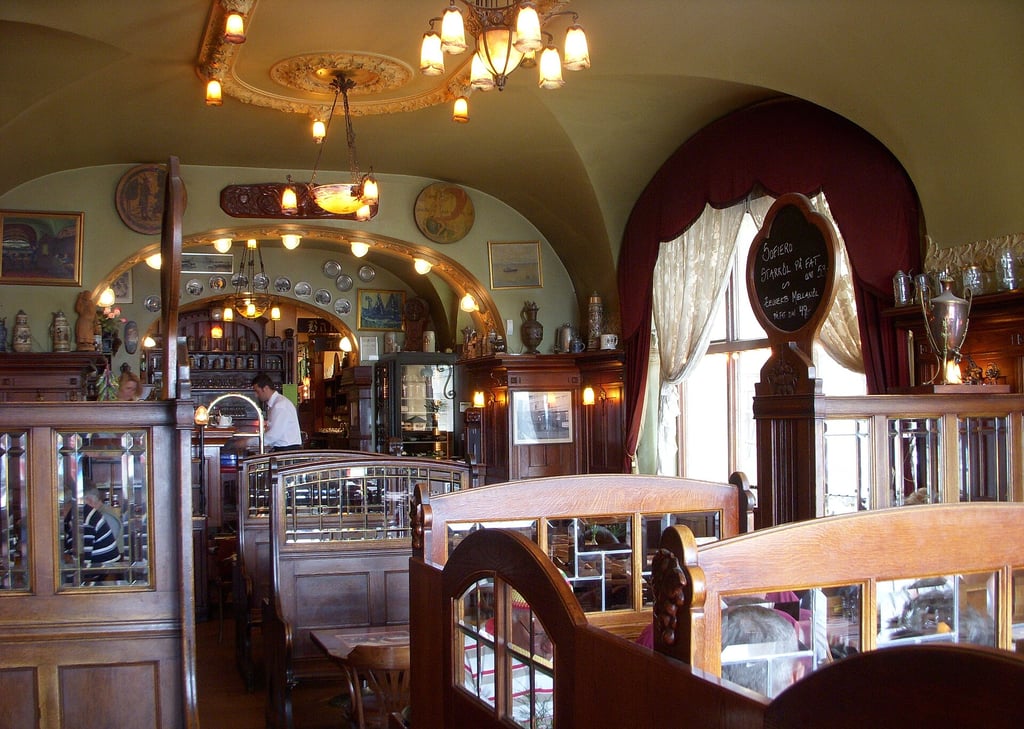
#8 – Zum Franziskaner (Stockholm, Sweden)
Zum Franziskaner is a great lesson in why you should read past the first Google snippet. You’ll often see 1421 repeated, but recent research summaries describe that founding story as likely myth. That does not make it worthless. It makes it honest, which is rarer than you think.
- What makes it special: it’s a historic room with a story that has been debated, not rubber-stamped.
- Fact vs legend: Most evidence points to an actual founding date of 1889, though the building is older, according to Scan Magazine.
- Candlelight-to-cocktails detail: old-world dining-room energy more than “pub at midnight” energy.
- What to order: something local, and keep it simple. Let the room do the work.
- Vibe: grounded, Nordic, quietly proud.
- Pro tip: if a place is old and famous, assume the founding year is a debate until proven otherwise.
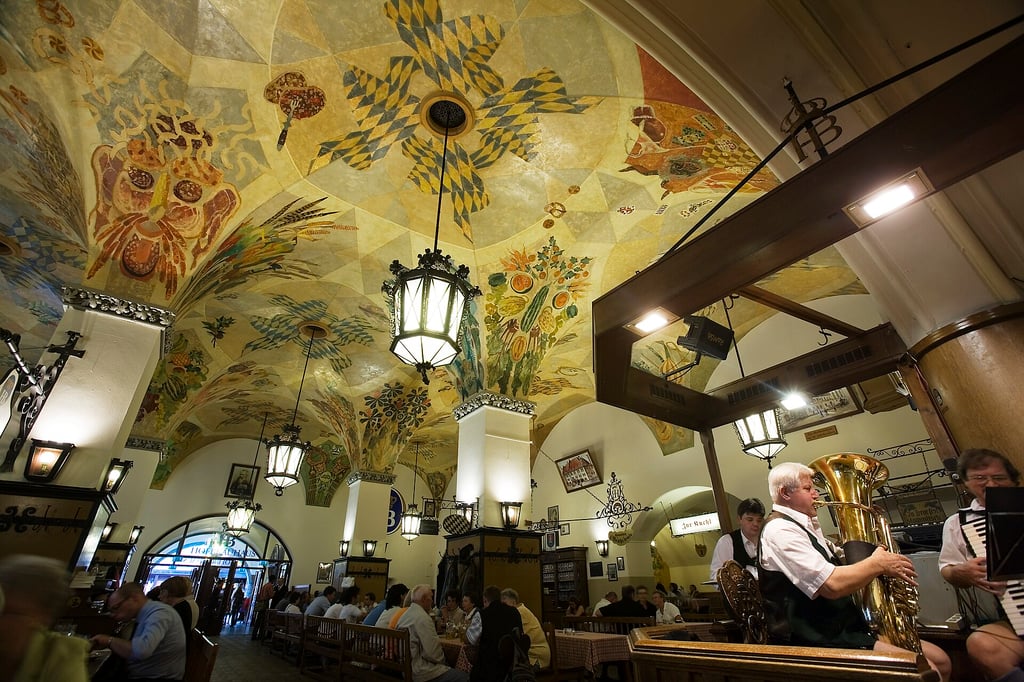
#9 – Hofbräuhaus (Munich, Germany)
Hofbräuhaus isn’t candlelit. It is iconic in a different way: ritual, noise, long tables, and beer that arrives with fanfare. The institution dates back to 1589, and the venue’s history is part of Munich’s drinking identity, not just a tourist checklist.
- What makes it special: it’s the opposite of precious. It is a loud tradition.
- Fact vs legend: There is clear documentation that it was founded in 1589 by Duke Wilhelm V, according to Simply Munich.
- Candlelight-to-cocktails detail: the “cocktails” part here is really “beer as ceremony.”
- What to order: the classic house beers, served the way the place expects you to drink them.
- Vibe: massive, communal, joyful chaos.
- Pro tip: lean into the long-table culture. You’ll remember the strangers as much as the beer.
Alternative Locations: While the Hofbräuhaus in Munich is the original, historic location, there are numerous other Hofbräuhaus locations across the globe that capture the same atmosphere. For an accessible taste of this bar culture, consider visiting one of their US locations, such as the one in Newport, KY.
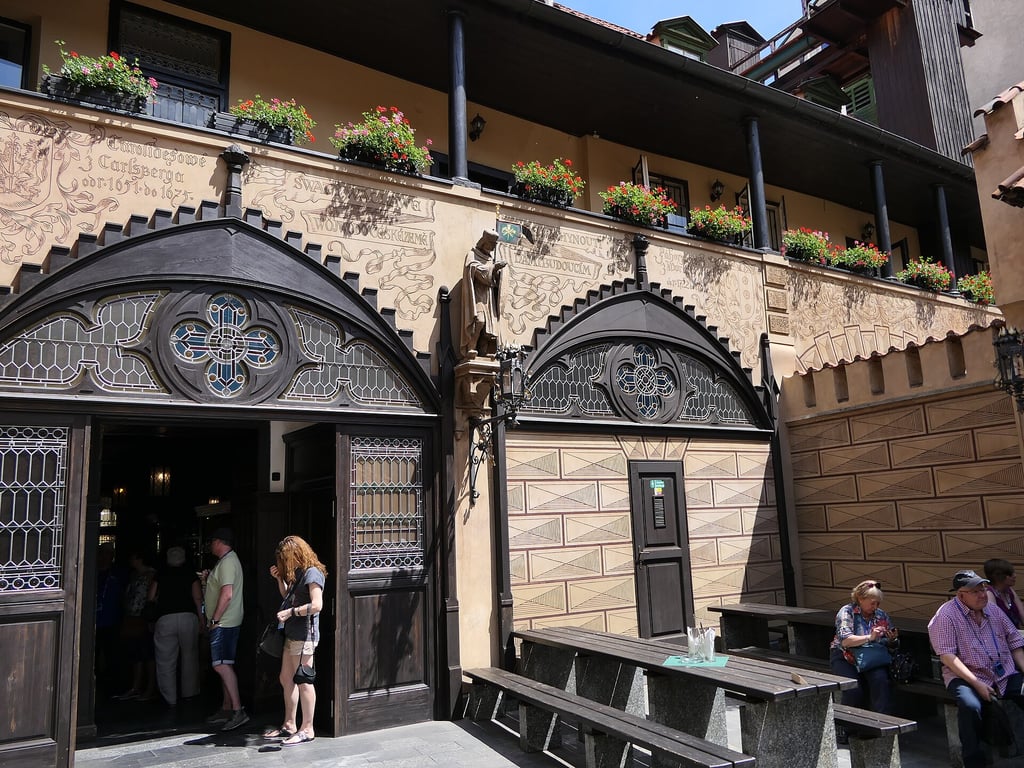
#10 – U Fleků (Prague, Czech Republic)
U Fleků is a pub and microbrewery with an Est. 1499 story that is baked into its identity. If you want an old-world drinking night that still feels busy and current, this is an easy win.
- What makes it special: you get history and a real beer experience in the same place.
- Fact vs legend: Beer production at the site dates back to 1499, though its current name is attributed to Jakub Flekovský, who purchased the building in 1762, according to Radio Prague International.
- Candlelight-to-cocktails detail: courtyard-and-halls energy that feels theatrical without being fake.
- What to order: their classic dark beer, plus food that pairs with it.
- Vibe: Prague classic, full of locals and visitors, usually in a good mood.
- Pro tip: treat it like a night out, not a five-minute photo stop.
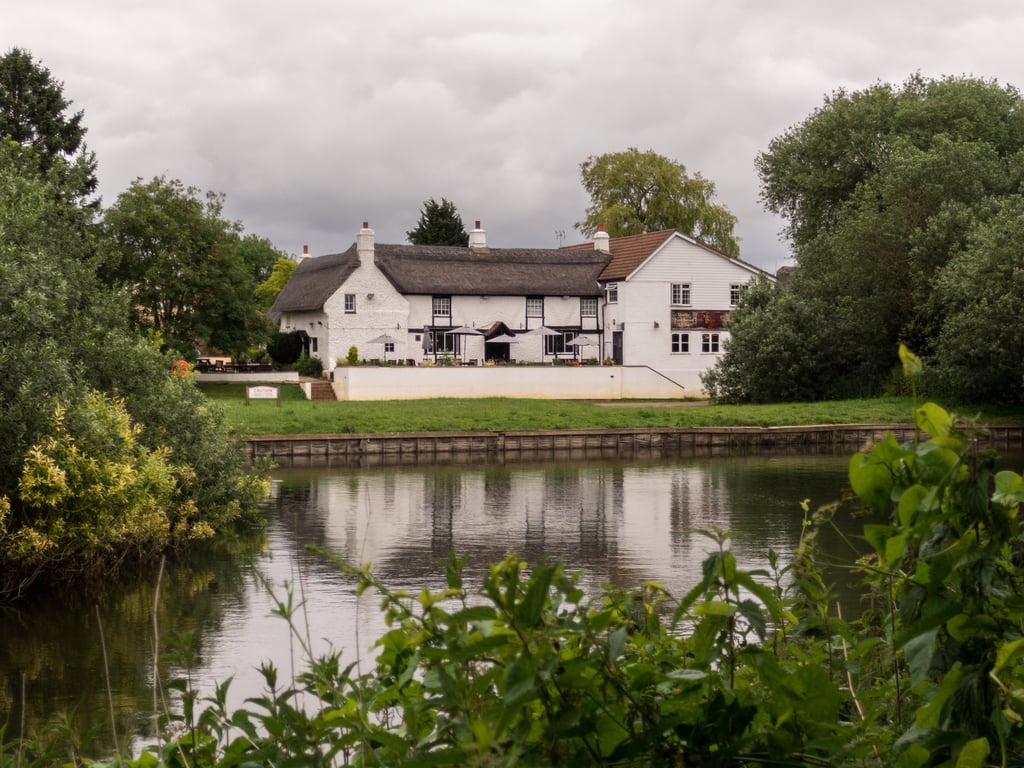
#11 – The Old Ferry Boat Inn (Holywell, England)
Allegedly (but not credibly) founded in 560, The Old Ferry Boat Inn is often promoted as the “oldest pub in England.” While its purported founding date was in the 6th century, the building that now houses the bar was constructed much later, which is exactly why it belongs in a responsible “oldest bars” list: it is popular, beloved, and complicated.
- What makes it special: riverside inn energy, scenic, and easy to romanticize.
- Fact vs legend: The 560 founding date is an uncorroborated claim, and the current building was constructed much later, according to Cambridgeshire Live.
- Candlelight-to-cocktails detail: old inn coziness that lands best on a cold day.
- What to order: a pint that fits the weather, then something warm if you are eating.
- Vibe: historic-inn comfort with travel-friendly charm.
- Pro tip: go for the setting. Let historians argue the date.
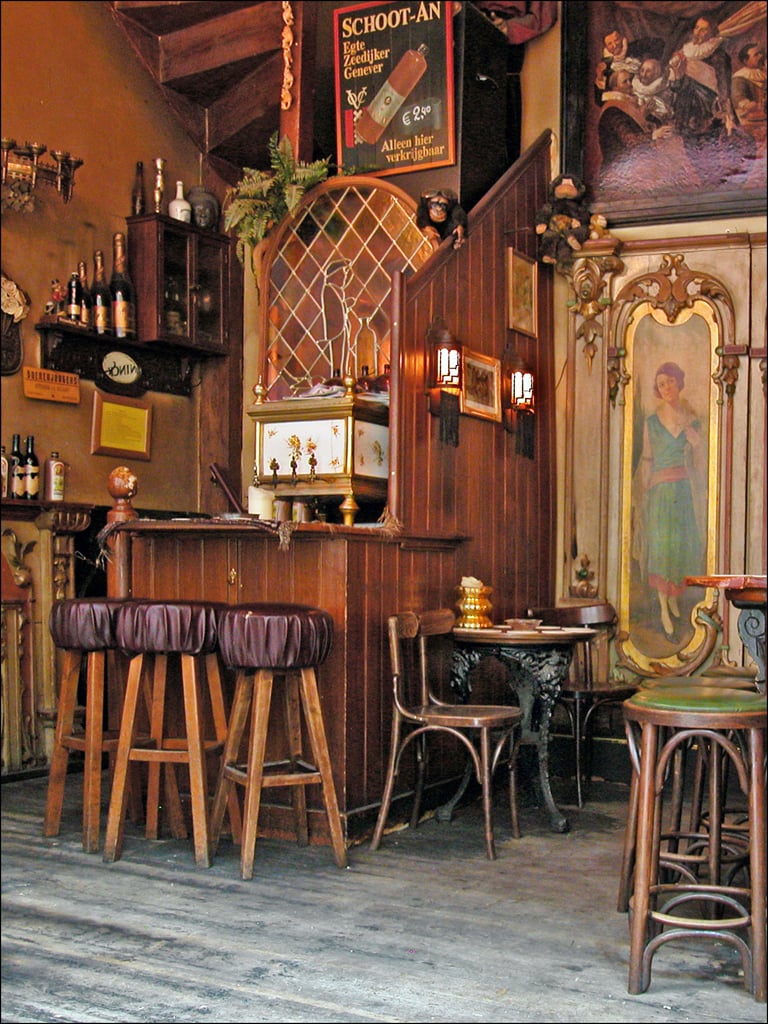
#12 – In’t Aepjen (Amsterdam, Netherlands)
In’t Aepjen is one of Amsterdam’s oldest bars, tied to a long history of serving ales and Dutch spirits and to the kind of sailor lore that turns a room into the perfect vessel for sharing stories. It is the rare “old bar” that still feels like a lived-in bar, not a museum hallway.
- What makes it special: pure Amsterdam character, with a name and history people actually remember.
- Fact vs legend: This bar is credibly documented as having been founded in 1519, according to Atlas Obscura.
- Candlelight-to-cocktails detail: the cozy, slightly crooked warmth that makes one drink become two.
- What to order: jenever if you want to drink like a local, or a simple beer if you want it easy.
- Vibe: intimate, social, and full of locals who aren’t performing for anyone.
- Pro tip: sit, don’t rush. Old bars reward lingering.
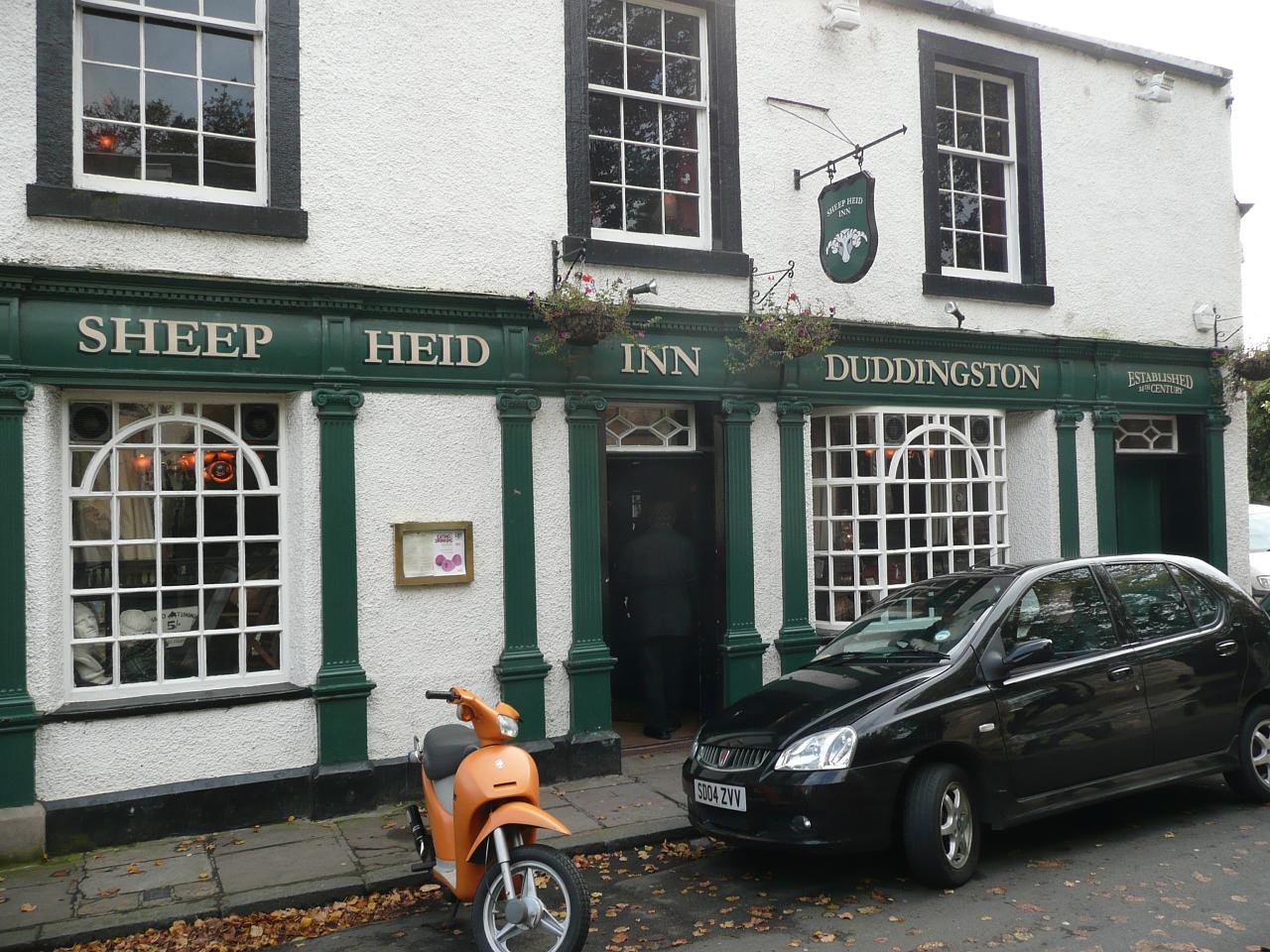
#13 – Sheep Heid Inn (Edinburgh, Scotland)
The Sheep Heid Inn is often described as Scotland’s oldest surviving pub, with a reputed 1360 site history and a building core that appears later. The point isn’t the exact timber age. The point is that it still works as a pub after centuries of weather and human habits.
- What makes it special: it pairs perfectly with a long walk and a cold evening.
- Fact vs legend: The 1360 founding date is unconfirmed. Its current building likley dates to 1860, according to Wikipedia.
- Candlelight-to-cocktails detail: wood paneling and old-world warmth that makes you order more slowly.
- What to order: a local Scottish ale or a whisky if you want the classic finish.
- Vibe: cozy, historic, proudly untrendy.
- Pro tip: Do the walk first. Earn the pint.
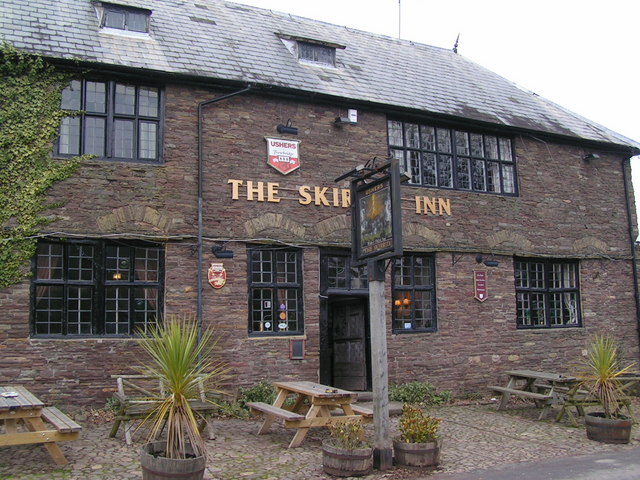
#14 – The Skirrid Inn (Wales)
The Skirrid Inn is famous for “Wales’ oldest pub” claims and for ghost stories that refuse to die. But archaeological conclusions summarized in overviews point mainly to 17th-century construction for the present building, which is your reminder that “oldest” is often a category argument, not a verdict.
- What makes it special: it’s a pub that understands how legend keeps a place alive.
- Fact vs legend: While there are claims that the bar dates to the 12th century, documentation only goes back to the 17th century, according to Haunted Happenings.
- Candlelight-to-cocktails detail: stone walls and dark corners that make every story sound plausible.
- What to order: a straightforward pint. You are here for atmosphere, not mixology.
- Vibe: haunted-history energy, good with friends.
- Pro tip: enjoy the legend, but don’t confuse it with paperwork.
The Oldest Bars in the USA
The U.S. can’t compete with Europe’s tavern history spanning over a thousand years, but it does offer something different: colonial taverns that became cities, saloons that outlived wars and Prohibition, and rooms that still feel stubbornly unchanged. These are places where “oldest” is usually about documented tavern use, surviving buildings, and cultural continuity rather than medieval origin stories. Below are the American bars with the strongest claims and the clearest sense of history you can still sit inside and drink from.

#15 – White Horse Tavern (Newport, Rhode Island)
If you are hunting the oldest bar in America, start with White Horse Tavern in Newport. The building history and its conversion to a tavern in 1673 are widely cited, and it’s also recognized in historic listing contexts, which gives the claim more backbone than a painted sign does.
- What makes it special: colonial tavern atmosphere without feeling frozen in time.
- Fact vs legend: The 1673 founding date is well-documented, and the structure is even older, dating to 1653, according to Tasting Table.
- Candlelight-to-cocktails detail: rooms that still make candlelight feel like the correct lighting choice.
- What to order: a classic cocktail you actually like, or a simple beer with food.
- Vibe: US history, but still a real place to eat and drink.
- Pro tip: go a little earlier than you normally would. The best “old bar” mood happens before the dinner rush peaks.
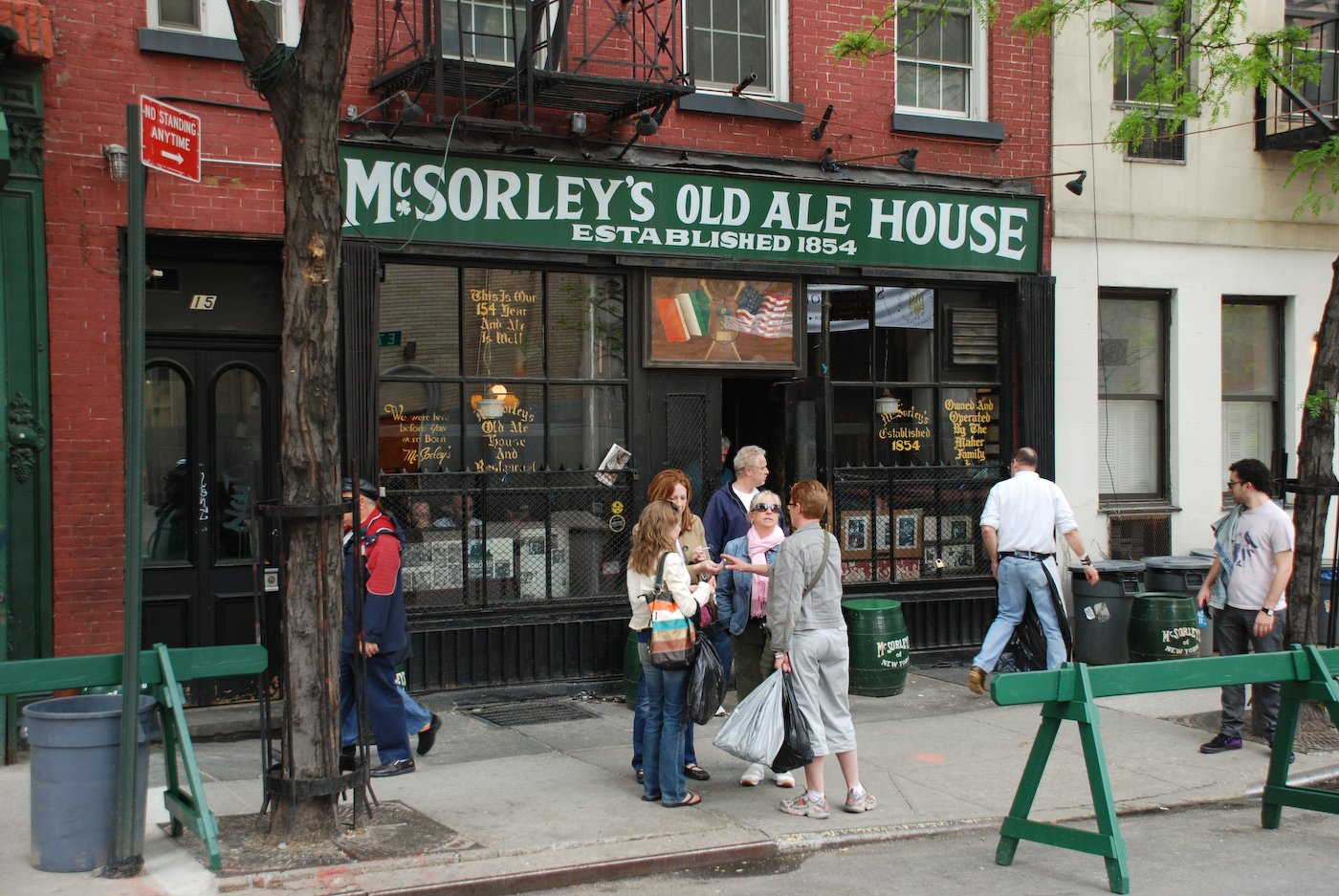
#16 – McSorley’s Old Ale House (New York City)
For the oldest bar in NYC, McSorley’s is the default answer, tied to a 1854 claim and a famously unchanged interior that is basically a museum of bric-a-brac and bar memorabilia. The date itself has been debated in historical writing, which does not change the core truth: it is an unquestionable time-capsule of a bar.
- What makes it special: the “this place refuses to update” feeling, in the best way.
- Fact vs legend: their history is well documented, clearly founded in 1854 by John McSorley.
- Candlelight-to-cocktails detail: not candlelit, but the dimness feels earned, not designed.
- What to order: the house ales, served the way they serve them. Don’t overthink it.
- Vibe: loud, historic, stubbornly itself.
- Pro tip: if you want quieter, go off-peak. If you want the full New York crush, go when everyone else does.
NYC honorable mention: The Ear Inn often claims continuous alcohol service since 1817 and is one of the city’s oldest-feeling rooms, with a long-running local reputation.
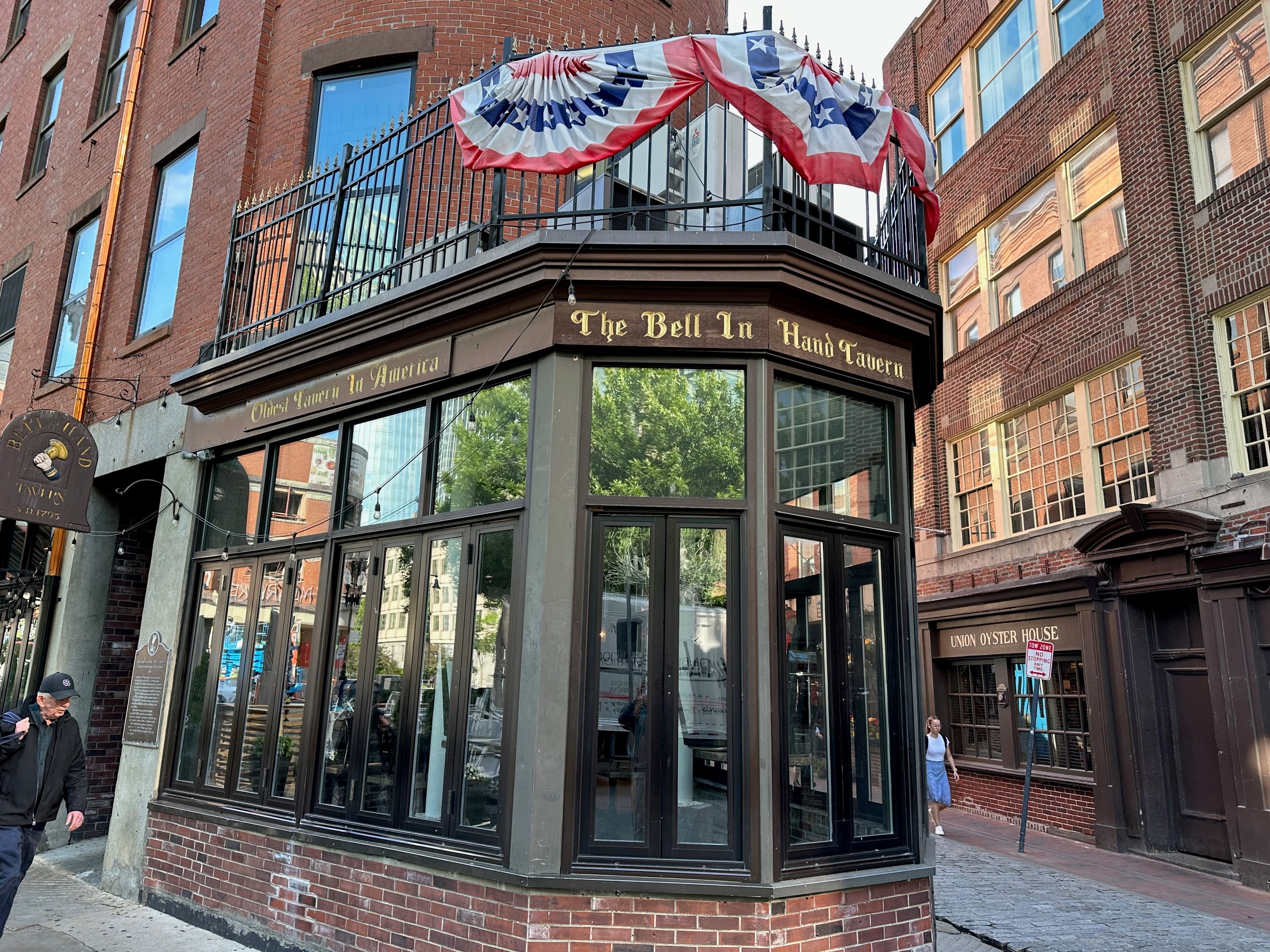
#17 – Bell in Hand Tavern (Boston, Massachusetts)
For the oldest bar in Boston, Bell in Hand is the name that dominates, usually tied to 1795. Even summaries of its history note the Prohibition complication for “continuous” language, but it remains one of Boston’s core historic tavern experiences.
- What makes it special: pure “Boston tavern” energy in a city that does this well.
- Fact vs legend: The founding of the Bell in Hand can be traced back to Jimmy Wilson, according to the Historical Marker Database.
- Candlelight-to-cocktails detail: more lively than candlelit, more social than solemn.
- What to order: a local beer or a simple drink that won’t fight the food.
- Vibe: downtown crowd, history on the walls, good noise.
- Pro tip: keep it classic. This isn’t the spot to experiment.
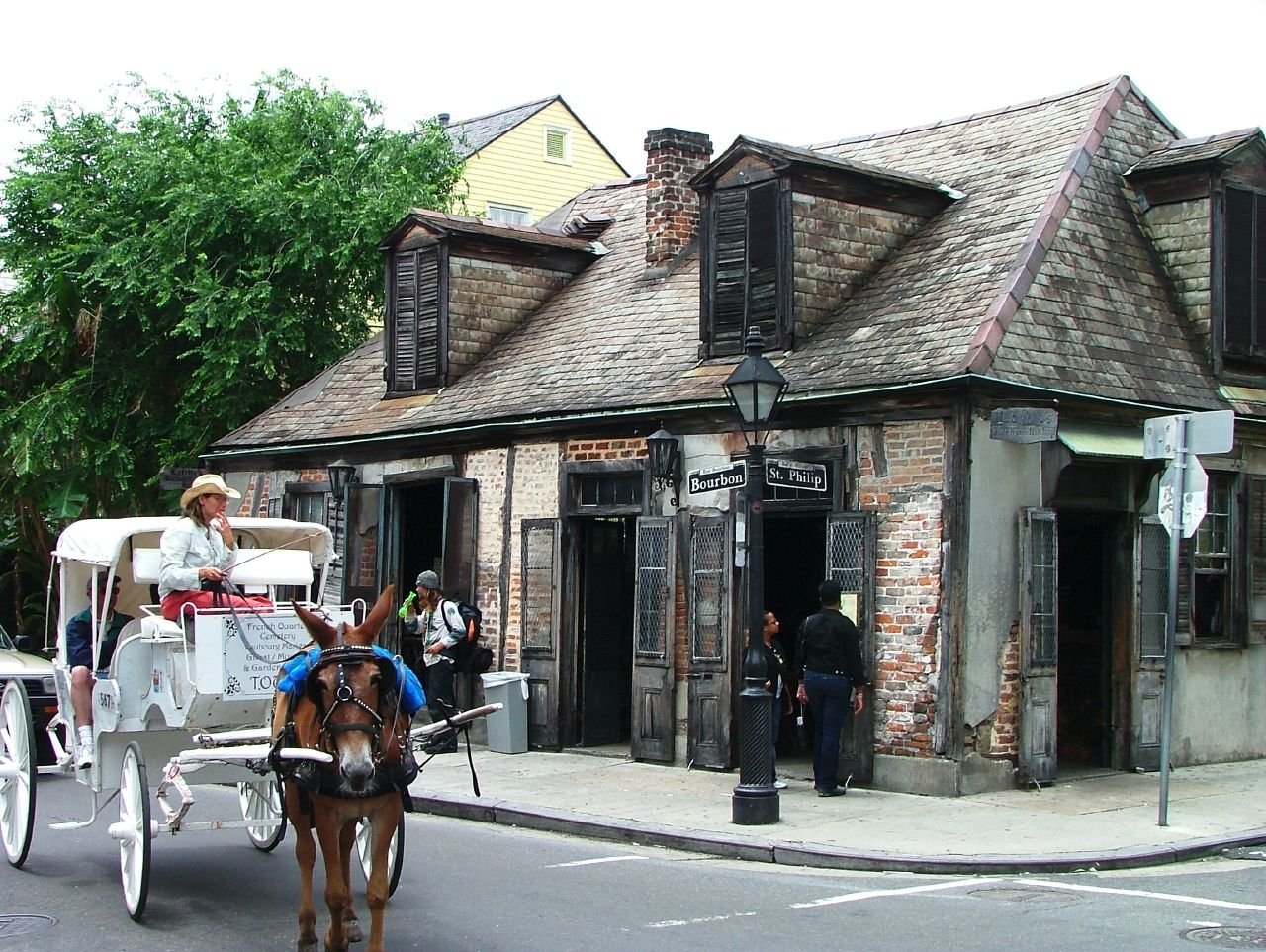
#18 – Lafitte’s Blacksmith Shop Bar (New Orleans, Louisiana)
For the oldest bar in New Orleans, Lafitte’s Blacksmith Shop Bar is the famous answer, mainly because the building is celebrated as one of the oldest structures used as a bar. The venue itself promotes a 1722–1732 construction window, while historical summaries also note differing build-period claims in other references, which is your reminder that New Orleans history is layered and sometimes contradictory.
- What makes it special: it feels like the French Quarter distilled into one dark room.
- Fact vs legend: While the building was credibly constructed in the 18th century, it was not converted into a bar until the early 20th century, according to the Preservation Resource Center of New Orleans.
- Candlelight-to-cocktails detail: this is where “candlelight” stops being a metaphor.
- What to order: the classic move is a rum-forward drink in the mood of the place. Keep it simple and strong.
- Vibe: old stone, low light, tourists and locals overlapping.
- Pro tip: go once early in the trip. You’ll understand the Quarter better afterward.
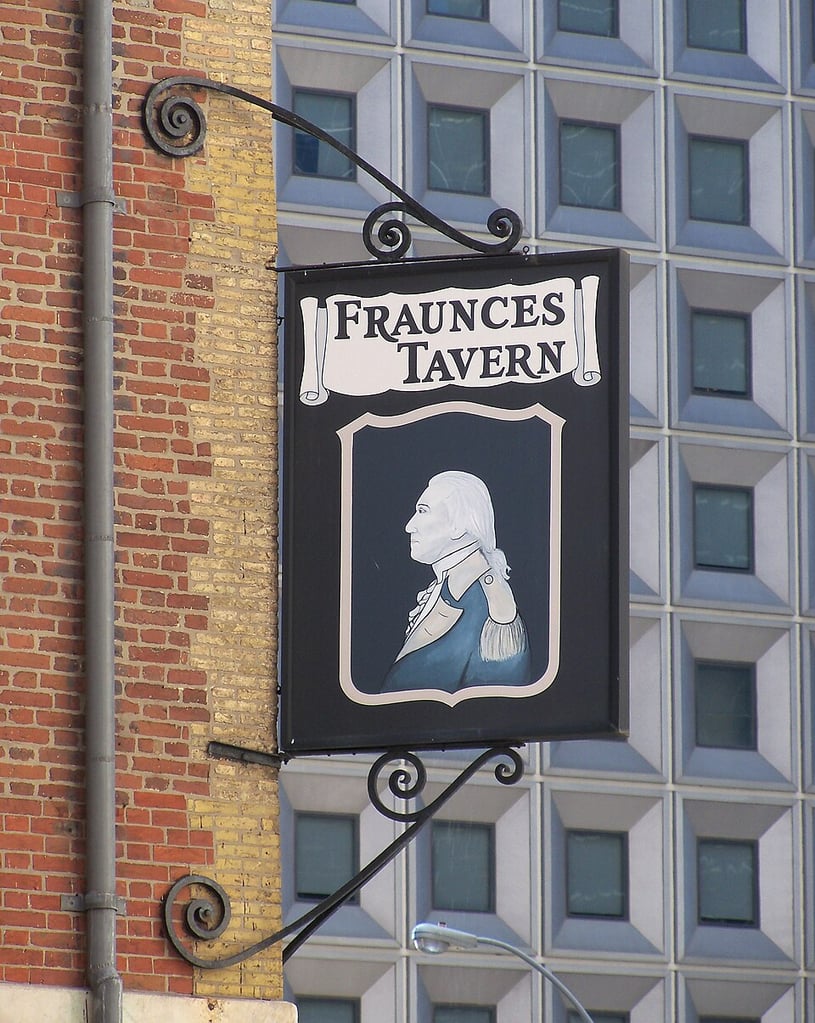
#19 – Fraunces Tavern (New York City)
Fraunces Tavern isn’t “the oldest bar in America,” but it is one of the most historically loaded tavern experiences in the US. The building’s 1719 origin as a residence and its 1762 establishment as a tavern are well documented in historical summaries, and it remains a useful anchor for anyone who wants “drink where history happened” energy, especially if you want to contrast “history tavern” energy with a modern taproom night like On Tour Brewing.
- What makes it special: Revolutionary-era gravity without killing the fun.
- Fact vs legend: founded by Samuel Francis, it was opened in 1762, though it was origially named “the Queen’s Head Tavern,” according to The Explorer’s Passage.
- Candlelight-to-cocktails detail: the rooms feel like they’ve heard arguments that’ve changed lives.
- What to order: whiskey if you want the classic tavern move, or a straightforward beer.
- Vibe: history-forward, still social.
- Pro tip: do the museum piece if you care about context, then earn your drink.
Build Your Own “Oldest Bars” Crawl
These crawls are designed for real humans. No one wants four “legendary” bars in one night. The move is one legendary bar per night, giving you ample time to take it all in and giving each historic bar its due respect.
#1 Ireland weekend: Athlone + Dublin
- Night 1 (Athlone): Sean’s Bar, keep it simple, talk to locals if you can.
- Night 2 (Dublin): Brazen Head for energy and live music, then a quieter pint elsewhere.
#2 UK heritage loop: stone rooms and old inns
- Nottingham: Ye Olde Trip to Jerusalem for the “built into rock” spectacle.
- London: The Spaniards Inn for historic tavern atmosphere that still feels local.
- Bonus add: The Olde Bell if you want inn energy and a calmer pace.
#3 US history loop: NYC + Boston
- NYC: McSorley’s (and optionally Ear Inn as a second, quieter “old room”).
- Boston: Bell in Hand for the classic downtown tavern night.
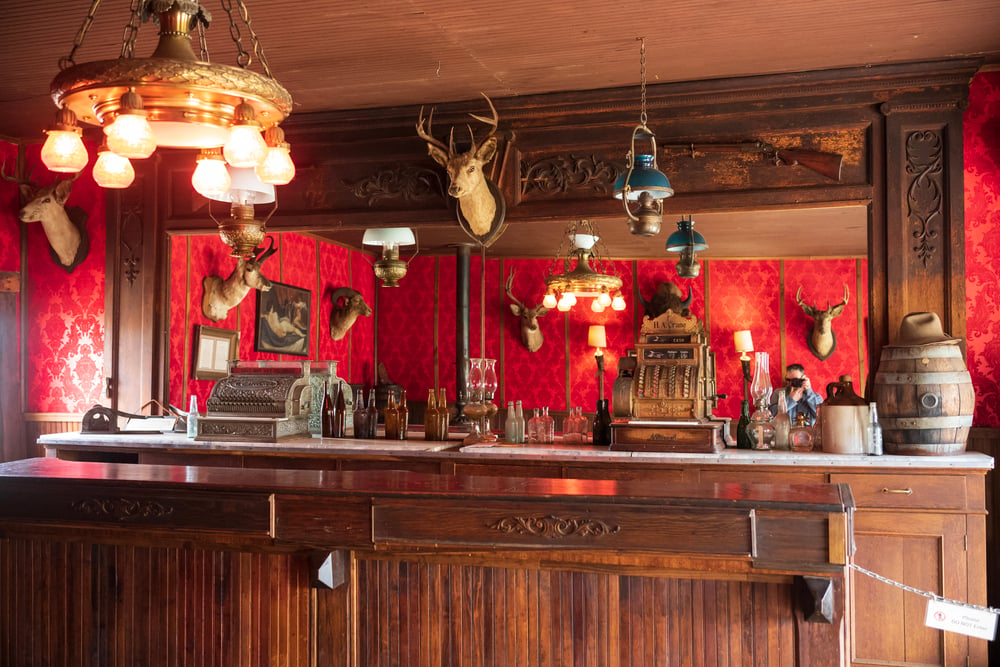
Where the Past Still Pours
The oldest bars in the world are less about perfect founding dates and more about what still survives: rooms where people genuinely gather, drink, and keep traditions alive. This guide separates strong selection from famous legend, so you can chase “oldest” without getting fooled by a painted sign or a recycled marketing claim.
You now have quick picks by country, clear definitions for what “oldest” can mean, and practical advice on how to order, behave, and plan a visit without turning it into a photo shoot. Whether you want candlelit stone, creaking taverns, roaring beer halls, or quiet historic corners, the best move is simple: pick one legendary bar per night and let the place set the pace. And if you are searching for U.S. classics, you have direct answers for the oldest bar in America, plus NYC, Boston, and New Orleans.


Comments 0
No Readers' Pick yet.