


From Radler To Thc Mixer: How The “Crushable” Porch Drink Quietly Got A New Cousin
 Story by:
Beer Blog
Story by:
Beer Blog
Kugler had a dilemma in 1922. Thirteen thousand cyclists were heading towards his Bavarian inn for a club excursion, and he was running low on beer. So he did what any sensible innkeeper would do: mixed what he had left with lemon soda and passed it off as intentional. Named it Radler. German for “cyclist.” One hundred years later, the reasoning remains the same. The porch drinker looking at six hours of Saturday does not need another double IPA. They need longevity.
Why The Radler Landed In The First Place
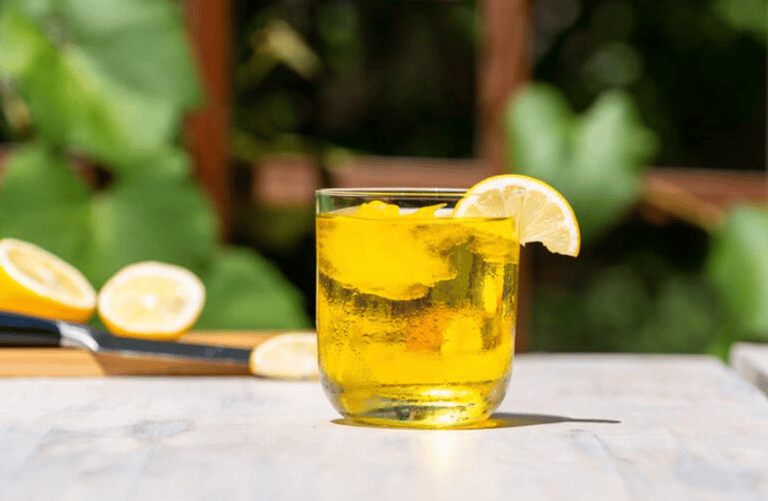
Radlers worked because they solved a real problem. Beer is great, but it’s on a clock – three pints in, you’re slower, fuzzier, and your porch day has an early ending. Cutting beer with citrus soda drops the ABV by roughly half, adds some hydration, and buys you hours on the same buzz. It’s as easy as that. 50/50 beer and lemon soda (or grapefruit soda, or sparkling lemonade for those feeling fancy). Pour slowly. Stir just once. Drink. And the Germans discovered drinkable immortality long before anybody was charting REM stages on their wrist.
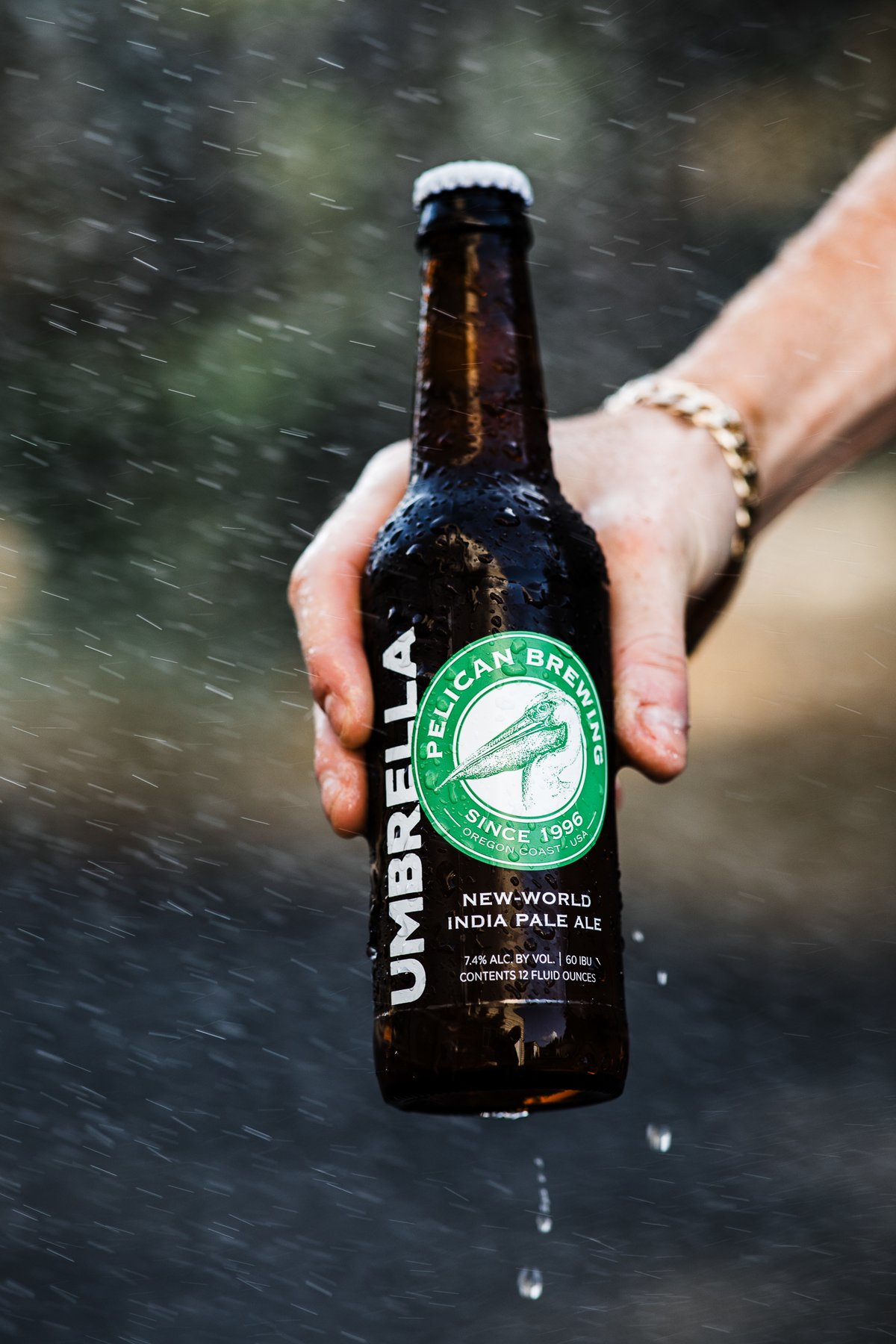
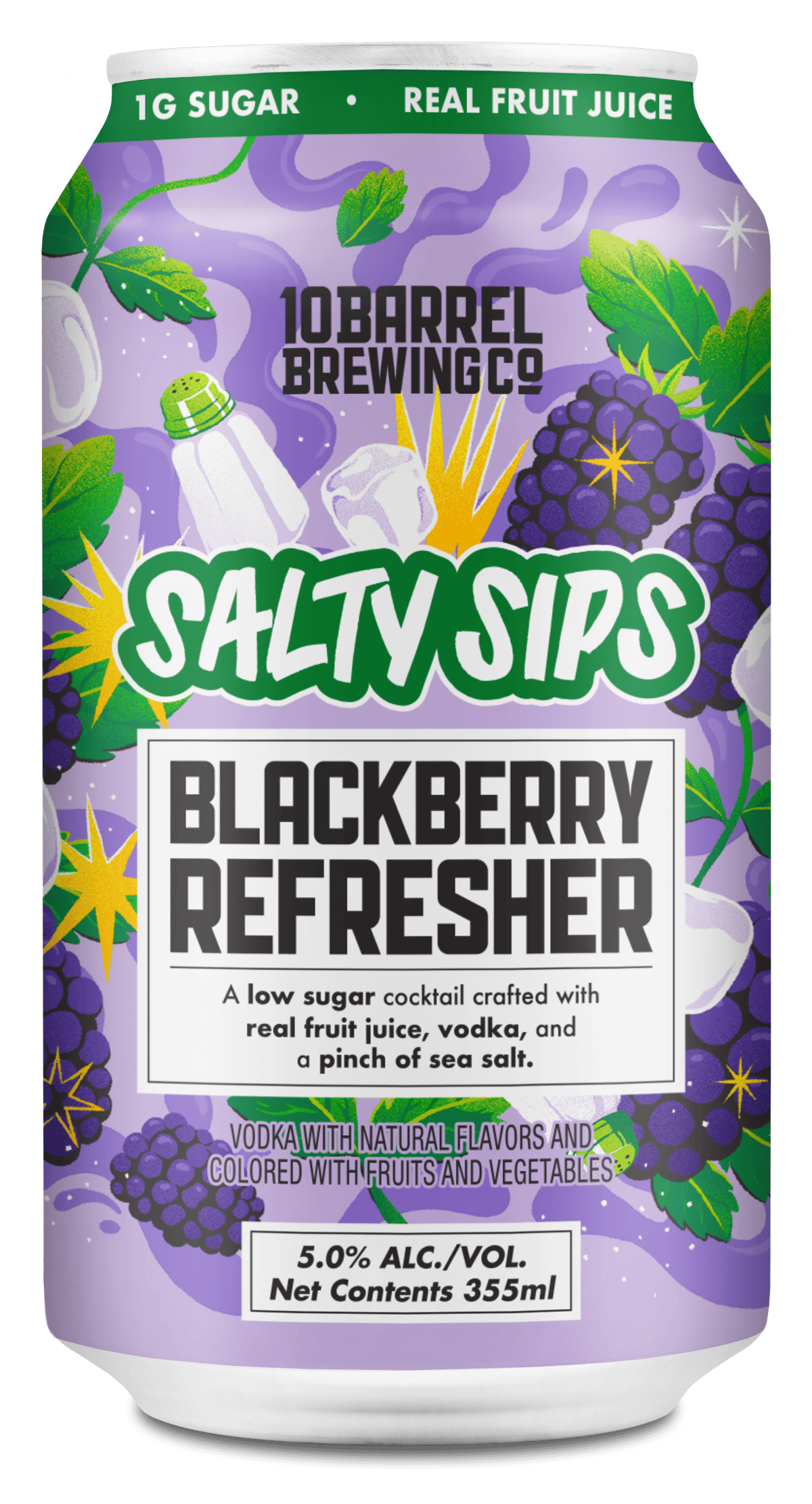
Modern craft brewers have rediscovered this. Stiegl Grapefruit. Sam Adams Porch Rocker. Leinenkugel’s Summer Shandy. That whole category of “crushable” drinks, under 5% ABV beers designed to be consumed in volume without destruction, owes a debt of life to Kugler’s desperate invention. One quick caveat, shandy vs. radler are interchangeable terms in America, but some sticklers would argue the point to no end. Shandy is actually defined as beer and lemonade; a radler is defined as beer and a citrus-based soda. This is an important distinction in about the same way that there is an important distinction between a taco and a burrito.
The Newer Cousin Nobody Saw Coming
Here’s the other low-potency product that has become increasingly common in coolers on porches: THC drink mixes for water. Drops, concentrates, or packets of powdered mixes that you add to a glass of water or sparkling water. Dose can be adjusted; average is typically between 2.5 mg and 10 mg of THC per serving. What makes them radler-shaped, conceptually? Same core idea. Dilute to taste. Extend the session. Skip the next-day tax.
Hemp-derived Delta-9 products became federally legal after the 2018 Farm Bill, and the cannabis beverage category has crossed a billion in US sales. Most of that growth has come from the DIY end mixes, shots, and drops because people figured out that canned THC seltzers are charging a premium for what’s essentially flavored water with a few drops of emulsion in it. DIY is cheaper. It’s also more interesting. You decide the strength, the flavor, and how hard you want the afternoon to go.
Where The Crushability Overlaps
Both offer pacing. Radlers can keep you on the porch all day Saturday. A THC water drink (2.5mg per serving, 2 servings over 4 hours) offers the same – smooth, gradual, always building, never spiking too high. Both allow personalization. For an extra-strength radler, reduce the pour size. A milder THC water? Less dose, add more ice and water. Neither is a ratio-fixed beverage like canned seltzers. Both hydrate, sort of. Radlers are 50% soda, which means 50% water content. THC water is just water. In a heatwave with 92 degrees, having seven beers vs. four radlers vs. two THC waters makes for an entirely different physical experience.
Pro tip: When making THC drinks yourself, mix them in a pint glass instead of drinking the concentrate directly. It helps to monitor your dosage visually since THC drinks and edibles get people in trouble only when they lose count.
What Beer People Are Actually Doing
The overlap crowd isn’t trading beer for THC drinks. They’re staggering. Two beers early while the grill heats up, switch to a THC water mid-afternoon when the sun hits hard, maybe end on a non-alcoholic IPA with dinner. The Brewers Association has tracked non-alcoholic beer as one of the fastest-growing craft segments for this exact reason: drinkers want the ritual without the damage.
Brewers themselves have led this shift. Walk into any taproom on a Monday (the industry’s weekend), and the people who spent Saturday pouring imperial stouts for tourists are on light lagers, THC seltzers, or straight water. Professional palate preservation, plus a preference for not being destroyed on your day off, creates a pretty different drinking pattern than what the public sees on Friday nights.
The New Porch Playbook
There’s no one pouring out the pilsners. The change here is that the cooler on the porch has become more adaptable. The old choice between drinking beer and paying the consequences, or drinking water and feeling like you can’t join in, has now become a sliding scale of cool beers, radlers, non-alcoholic, and THC water drinks that you mix yourself.
I think Kugler would be happy about that, too. That’s the whole point of his contribution to beverage history: he had a problem to solve (there weren’t enough drinks for everyone), and he improvised a solution. The person mixing some drops of THC drink into their soda pop on Saturday night is doing the same thing – just different solutions to different problems.
Built To Last, Not Knock You Out
Crushable beers have never been made to taste like weak beer. They have always been made to keep going all day. The radler has done this for 100 years by watering down its flavor with citrus. Cannabis spirit mixes are doing it today by carefully adding small amounts of THC into regular water. It’s the same idea, just with different science, but everyone knows that a drink that can last the whole afternoon is worth having.


Comments 0
No Readers' Pick yet.