


How Beverage Brands in the United States Are Tackling Sustainability Challenges
 Story by:
Beer Blog
Story by:
Beer Blog
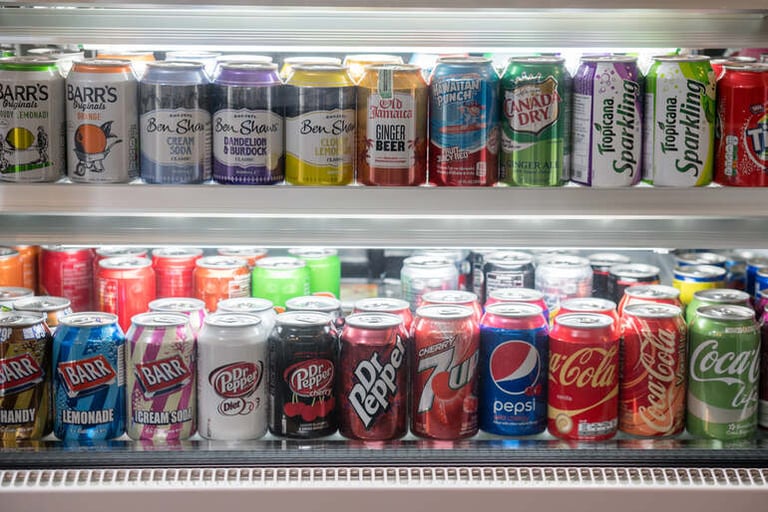
There is a sustainability issue in the beverage industry of the United States. Americans pass through an average of 900 beverage containers per person every year. Of those that are recycled, only a third are. The remainder is disposed of in landfills or the environment. Meanwhile, there is a change in progress. There is an increase in consumer expectations, an intensification of regulations, and a growing urge for beverage companies to reconsider the way they design packaging, manage resources, and reduce waste. Some brands are improving in content ways, yet there are those that are not keeping up with this. This article takes a closer look at how beverage companies are reacting, where progress is being made, and what remains to be done.
The Packaging Problem Is Front and Center
One of the largest sustainability issues for beverage companies is packaging. A significant portion of the environmental impact of a drink is comprised of bottles, cans, and cartons, based on the materials that they are made of and the ways they are disposed of afterward. Waste in packaging extends beyond what the consumer discards. Broken orders, incorrect labels, and spoiled beverages are also a waste of a lot of material. Companies that are unable to sell or donate drinks turn to a service that provides a way to beverage destruction service and the containers in a responsible manner, with the requirement of disposing of the liquid and its packaging safely and in an environmentally friendly way.
How Beverage Brands Are Responding
Depending on their size, resources, and business models, beverage companies are pursuing different approaches to packaging sustainability. The new Coca-Cola packaging objectives were revised at the end of 2024. The company currently intends to use a minimum of 35% to 40% recycled material in the main packaging by 2035, and also to recycle 70-75 per cent of the bottles and cans it releases to the market each year.
PepsiCo has revised its packaging commitments as well, including abandoning its reuse goal. The environmental groups, such as Ocean, have criticized the company for dropping the initiatives that they believe would have a more significant effect in reducing the contamination of plastic. Smaller and medium-sized brands are following a narrower strategy. Some other ones are focused on sustainable packaging, waste composting in production, or regenerative agriculture.
Reusable Cups Get a Real-World Test
The beverage industry had one of the most evident sustainability experiments in Petaluma, California. Starbucks also tested a citywide reusable cup system in 2024, in collaboration with KFC, Taco Bell, Dunkin, and Peet’s Coffee, via the NextGen Consortium. Over three months, over 30 restaurants served reusable cups as an initial option. To ease the customers into making a return, more than 60 return bins were installed all over the downtown. The outcomes had both potential and shortcomings. The program achieved a 51 percent cup return rate, so according to researchers, this is the lowest threshold that must be achieved to have reusable systems to provide environmental benefits.
Meanwhile, the impact is more likely to be maximized with higher return rates. The pilot also emphasized the real-life issues, such as the transportation of cups to a cleaning office in Oakland, as well as the quantity of outreach needed to alter the habits of customers. Starbucks has not ceased in its attempts outside of the pilot. The company has now enabled personal reusable cups at all U.S. drive-through locations and has also started implementing compostable cups in 14 states. Redesigned cold cups are made with 10-20% less plastic, and Starbucks has claimed that they will have all packaging facing customers reusable, recyclable, or compostable by 2030.
Water Stewardship Is Becoming a Priority
Virtually, all drinks are made of water as the base ingredient, and it is this that has led to water conservation becoming a growing issue in the industry. Starting with massive production plants and ideas for making a refreshing drink recipe, nowadays, water resources protection has become a prerequisite to every bottle, can, and pint being made more responsibly. With water being a problem in most areas, the beverage industry is facing pressure to cut down on its consumption and conserve the available water.
How major beverage companies are responding
The major water beverage manufacturers have declared a series of water initiatives.
According to the calculations of the company,
- Coca-Cola claims to have recycled over 100% of the water used that it consumed in its manufacturing products across the nation compared to the year 2015. The company has set the same target of over 200 high-risk production locations to attain the same target by 2035.
- Budweiser, the parent company, AB InBev, has been attempting to use less water in its breweries, and besides that, it is funding water access programs in water-strained areas.
- Molson Coors has also made a commitment that it would be 22 percent more efficient with water in its large breweries and would restore 3.5 billion gallons of water in watersheds of water-stressed areas.
The beverage industry has a high water footprint on its agricultural industry. Other crops required in large quantities, such as barley, hops, and fruits, require much water before bottling or brewing. To counter this, Molson Coors has formed partnerships with the farmers to grow the barley with 10 percent less water and donate to the initiatives that protect the stressed watersheds around the areas of growth.
Renewable Energy and Carbon Reduction
The process of making and distributing drinks uses high levels of energy. Carbon emissions are also generated during brewing, bottling, processing, and transportation. To counter this, most of the beverage companies in the United States are investing in green energy and establishing long-term climate targets.
The use of renewable energy in some companies is already in use.
- The Sierra Nevada Brewing Company California brewery, has the power of more than 2.5 megawatts of solar, and more than 99 percent of its solid wastes do not go to landfills.
- AB InBev is on a path that aims to achieve 100 percent of renewable energy for the electricity purchased.
- Oatly is a producer of oat-fiber byproducts in their New Jersey plant, and they make use of them to help in the production of renewable energy. Larger companies based on beverages have also offered more comprehensive climate offers.
- Coca-Cola has also stated that it wants to reduce its emissions in line with a 1.5-degree Celsius trajectory by 2035, yet has not issued a percentage cut.
- PepsiCo’s net-zero 2050 strategy, the Pep+, is designed to attain net-zero by 2050.
Regulation Is Forcing the Industry’s Hand
Government control is increasingly influencing the need to change beverage firms. The ultimate packaging law in the United States is the Senate Bill 54, signed in 2022 in California. It obligates businesses with products in California to limit single-use plastic loading and to make sure that by the same deadline, all single-use loading is recyclable or compostable. It also requires producers to contribute to a 5 billion dollar fund to help in cleaning the plastic pollution, and thus the burden is no longer on the local governments but the manufacturers themselves.
Similar extended producer responsibility laws have been approved in other states such as Colorado, Oregon, Maine, Minnesota, and Washington. These regulations are compelling businesses to re-package at a quicker rate than voluntary commitments do. Meanwhile, investors and pressure groups are insisting on more visible indications of environmental improvement, and there are growing numbers of lawsuits against alleged green-washing, such as a lawsuit against Coca-Cola on the claim of plastic pollution.
Where Things Stand and What Comes Next
The American beverage market is at a crossroads. Sustainability has emerged as a significant element for a large number of consumers, particularly the younger generation of consumers, and the brands are increasingly being pressurized to demonstrate actual improvements. This shift is visible across categories, from soft drinks to bottled water and even Mexican beer, as companies respond with cleaner production practices, responsible sourcing, and more sustainable packaging initiatives. The early findings have been inconclusive.
Other firms that are large have stalled/ altered their initial strategies, and new rules are intervening to provide more specifications. The brand that is innovating is more likely to invest in practical changes, like energy and water consumption, redesigning the package, and experimenting with solutions, like reusable solutions. The stricter rules, improved infrastructure, and consumers who are ready to alter their daily habits will have a long-term improvement.


Comments 0
No Readers' Pick yet.